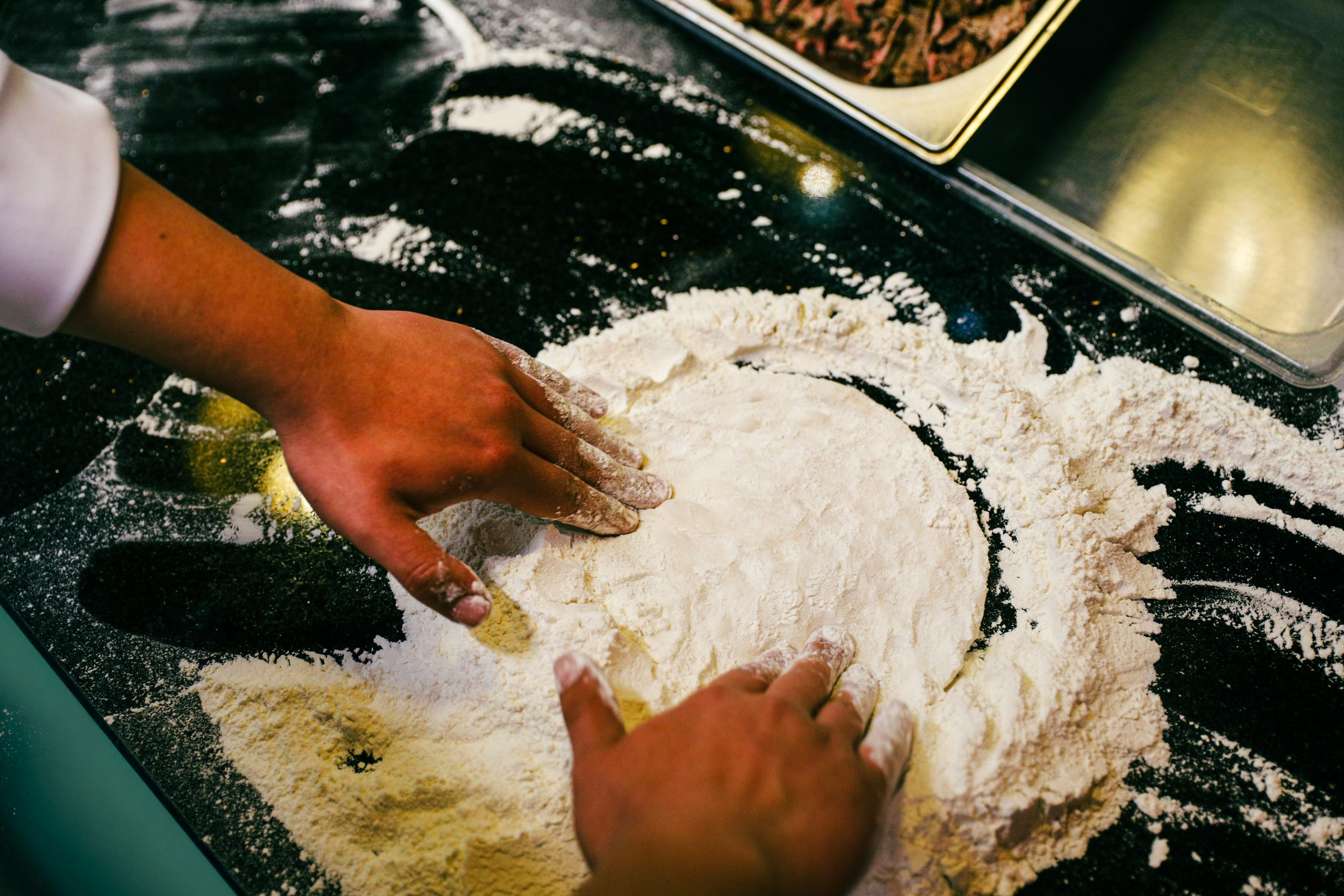
Welcome to the world of puff pastry dough – a flaky, airy and melt-in-your-mouth delight that is a staple in both sweet and savory dishes. Its layers of butter and dough create a perfect canvas for endless culinary creations. However, many aspiring cooks shy away from using puff pastry dough due to its reputation of being difficult to work with. The truth is, mastering the techniques of working with this delicate dough takes time, practice and a few helpful tips. In this article, we will guide you through the process of developing strong skills in working with puff pastry dough, taking your dishes to the next level.
Understanding Puff Pastry Dough
Before delving into the techniques of working with puff pastry dough, it is important to have a basic understanding of what it is and its properties. Puff pastry dough is made by layering thin sheets of dough with butter and folding them repeatedly, resulting in a dough with hundreds of delicate layers. When baked, the butter melts and steam is created, causing the layers to separate and create the characteristic flaky texture of puff pastry.
Choosing the Right Puff Pastry Dough
When it comes to puff pastry dough, quality matters. Opt for an all-butter puff pastry dough rather than a margarine-based one, which will result in a richer and more flavorful end product. Pre-made frozen puff pastry dough is a convenient option, but if you have the time, making your own from scratch will give you more control over the quality and thickness of the dough.
Tips for Working With Puff Pastry Dough
Thawing and Handling
Avoid making the common mistake of working with puff pastry dough straight from the freezer. Thaw it in the fridge for at least 4-5 hours, or overnight, to ensure it is pliable and easy to work with. Use a sharp knife or pizza cutter to cut the dough into desired shapes. It is important to handle the dough as little as possible to prevent melting the butter and ruining the layers.
Keeping it Chilled
Puff pastry dough is delicate and can quickly become soft and sticky, making it difficult to work with. To prevent this, always work on a cold surface and return the dough to the fridge if it becomes too soft. This will keep the butter solid and help maintain the layers.
Using Proper Techniques for Rolling
Rolling puff pastry dough requires a gentle touch and the right technique. Begin by rolling the dough in one direction, then turn it 90 degrees and roll in the other direction. This will help create an even thickness and prevent the dough from sticking to the surface. Always roll from the center outwards to keep the edges from becoming too thin.
Creating a Seal
Puff pastry dough is commonly used for making pastries, turnovers or tart shells. To ensure your filling stays inside and your edges stay crispy, it is important to create a strong seal. Brush a little bit of egg wash on the edges of the dough before folding and pressing them together to create a secure seal.
Letting it Rest
After all the hard work of rolling, cutting and shaping your puff pastry dough, the final step is to let it rest. Place it in the fridge for at least 15-20 minutes before baking to allow the gluten in the dough to relax and prevent shrinking.
Developing Strong Skills in Working With Puff Pastry Dough
Working with puff pastry dough may seem daunting at first, but with practice and these helpful tips, you can develop strong skills and create impressive culinary creations. Remember to be patient, handle the dough with care and let it rest when needed. With time, you will be able to work with this delicate dough with confidence and elevating your dishes to a whole new level.
Now that you have the knowledge and techniques to handle puff pastry dough, it’s time to put them into practice. So go ahead, whip up some savory turnovers or indulge in a sweet fruit tart. The possibilities are endless with this versatile and delicious dough.
With these tips, you are well on your way to becoming a pro at working with puff pastry dough. So roll up your sleeves, grab that dough and get ready to impress your friends and family with your newfound skills in creating flaky and delicious treats.
Leave a Reply