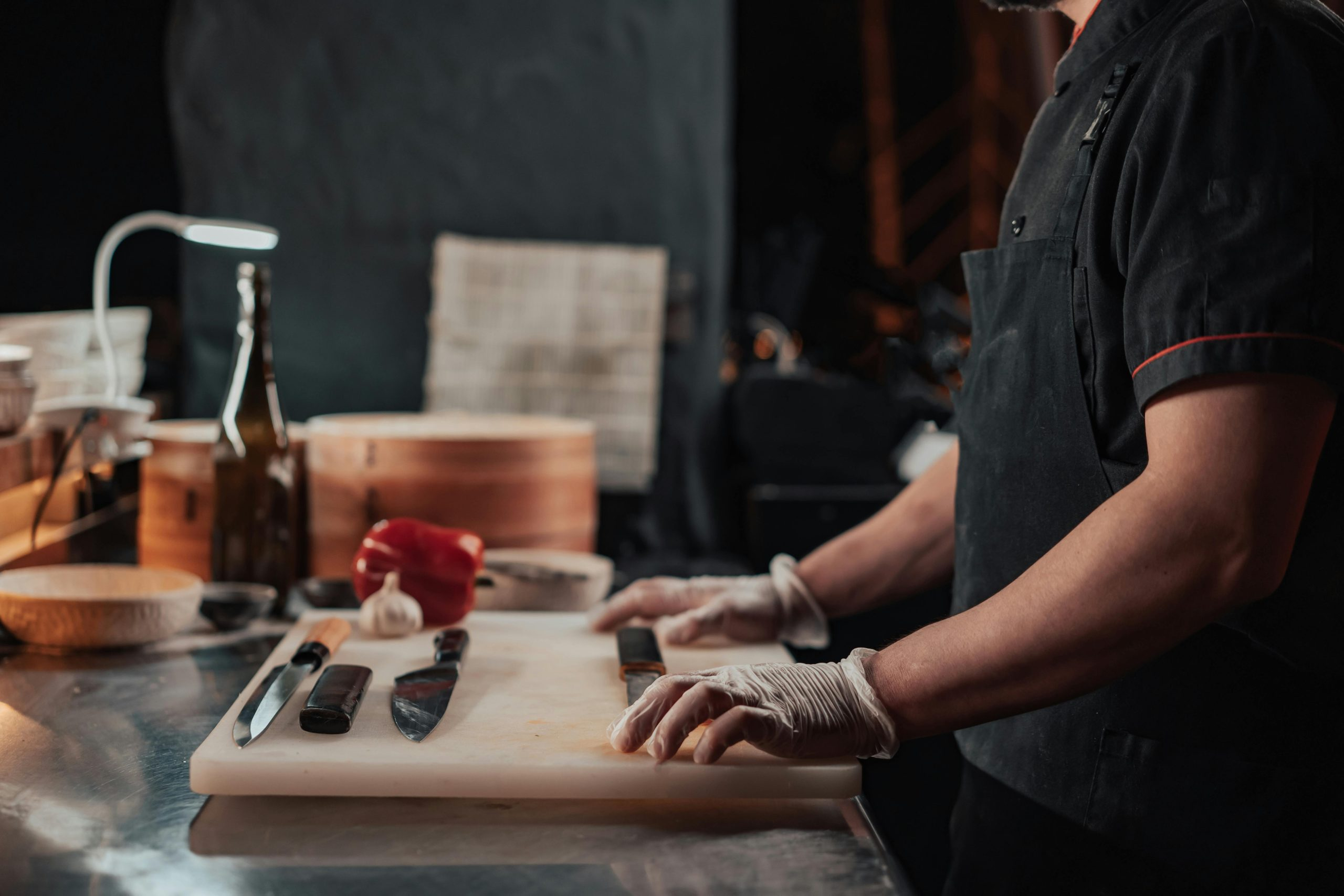
As a chef, choosing the perfect knife is crucial for achieving precision in your culinary creations. With so many options available, it can be overwhelming to find the right chef knife that meets your specific needs. From blade material to handle design, there are several factors to consider before making a purchase. In this article, we will discuss how to choose the perfect chef knife for precision, guiding you on the most important features to look for in a kitchen essential.
Understanding the Importance of a Good Chef Knife
Before delving into the details of choosing the perfect chef knife, it’s essential to understand the significance of this kitchen tool. A chef knife is not just a blade for cutting and slicing ingredients; it is the extension of a chef’s hand. A good chef knife not only makes your work easier but also enhances the taste and appearance of your dishes. Whether you are a professional chef or a home cook, investing in a quality chef knife is worth every penny.
The Different Types of Chef Knives
There are various types of chef knives, each designed for specific purposes. It’s essential to know the difference between them to choose the perfect one for your needs. The three most common types of chef knives are:
1. The French Knife
The French knife, also known as a “chef’s knife,” is the most commonly used knife in the culinary world. It has a wide blade that tapers to a sharp point, allowing for versatility in cutting and slicing vegetables, fruits, and herbs. Its length ranges from 6 to 12 inches, with the most popular size being 8 inches. This type of knife is suitable for both professional and home cooks.
2. The Japanese Knife
Japanese knives, also known as Santoku knives, have a thinner and lighter blade compared to French knives. They have a straighter edge, making them ideal for precise cuts. Japanese knives are versatile and can be used for slicing, dicing, and chopping. However, they are not suitable for heavy-duty tasks like breaking bones or cutting through hard-skinned vegetables.
3. The German Knife
The German knife, also known as a “full-tang knife,” has a thicker and heavier blade compared to the other two types. It is specifically designed for heavy-duty tasks like breaking bones and cutting through hard-skinned vegetables. The full tang design provides extra balance and stability, making it easier to handle. However, this type of knife may not be as versatile as the French and Japanese knives.
Key Features to Consider
Now that you have a basic understanding of the different types of chef knives, here are the key features to look for when choosing the perfect knife for precision:
1. Blade Material
The blade is the most crucial part of a chef knife, and its material determines its durability, sharpness, and maintenance. The three most common blade materials are stainless steel, high-carbon steel, and ceramic. Stainless steel blades are more affordable and resistant to rust, but they may not hold their sharpness for a long time. High-carbon steel blades are more durable and have better edge retention, but they require more maintenance. Ceramic blades are extremely sharp and retain their edge for a long time, but they can be prone to chipping.
2. Handle Design
The handle of a chef knife should be comfortable to hold, providing a good grip and control. There are several handle designs available, such as wooden, plastic, and stainless steel. Wooden handles are aesthetically pleasing and have a good grip, but they may require more maintenance and can be prone to bacteria buildup. Plastic handles are easy to clean and are more affordable, but they may not provide the best grip. Stainless steel handles are durable and have a good grip, but they can be heavy and may not provide enough balance for precision cutting.
3. Blade Length and Weight
The ideal length and weight of a chef knife depend on an individual’s preferences and the tasks they will be using the knife for. A longer and heavier knife may provide more power and leverage, but a shorter and lighter knife may offer more control. It’s essential to test the knife’s weight and length before purchasing to determine the one that feels most comfortable for you.
4. Blade Shape and Sharpness
The shape of a chef knife’s blade can also affect its performance in achieving precision cuts. A curved blade is ideal for rocking motions while a straighter edge is better for up-and-down chopping. The sharpness of the blade is also crucial in achieving precision cuts. A sharp knife not only ensures precise cuts but also reduces the risk of accidents and injuries in the kitchen.
Final Thoughts
Choosing the perfect chef knife for precision is a personal process that depends on individual preferences and needs. By understanding the different types of chef knives and their key features, you can make a well-informed decision on which knife is best for your culinary style. Remember to test the knife’s weight, length, and handle design before making your purchase to ensure maximum comfort and control. With the right chef knife in hand, you’ll elevate your cooking skills and achieve precise, beautiful cuts every time.
Leave a Reply