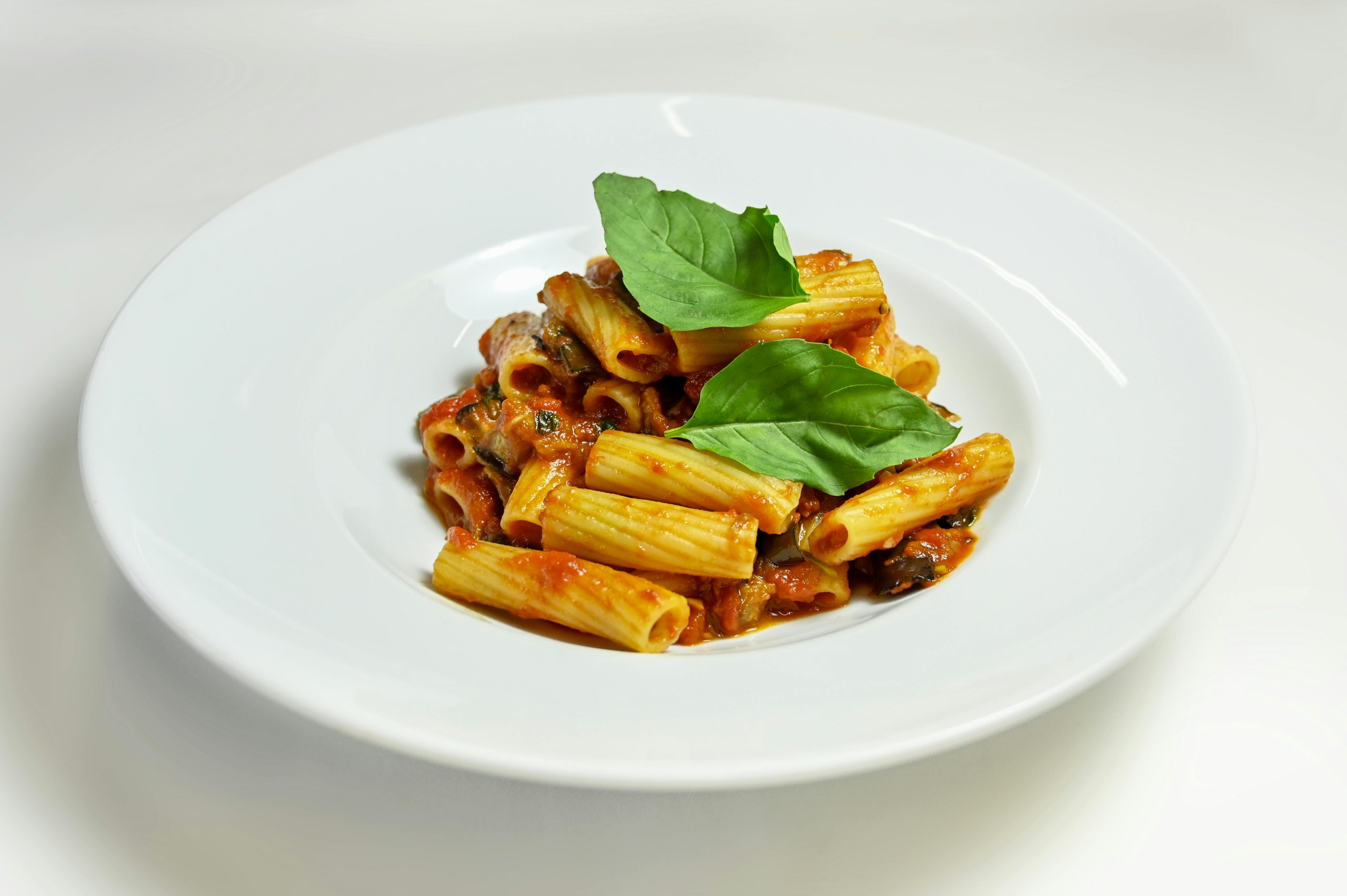
If you’re a lover of authentic Italian cuisine, you’ll know that nothing beats a plate of freshly made pasta. The tender, hand-crafted noodles, paired with a rich, aromatic sauce – it’s a match made in heaven. But have you ever wondered what the secret to making authentic Italian pasta from scratch is? Well, look no further. In this article, we’ll dive deep into the art of pasta-making and reveal the key elements to creating the perfect plate of homemade Italian pasta. Get your apron on, because it’s time to roll up your sleeves and get ready to master this delicious and versatile dish.
The Ingredients
Before we get into the actual process of making pasta, let’s start with the ingredients. Traditional Italian pasta only requires a few simple ingredients: semolina flour, eggs, salt, and water. Semolina flour is made from durum wheat and has a higher gluten content, making it perfect for pasta dough. Choose fresh, organic eggs for a richer flavor and vibrant yellow color in your pasta. And of course, don’t forget a pinch of salt and water to bring it all together.
The Importance of Fresh Ingredients
When it comes to creating an authentic Italian dish, fresh ingredients are key. Store-bought pasta may be convenient, but it lacks the depth of flavor and texture that fresh pasta brings. Using fresh eggs and high-quality flour will give your pasta a rich, satisfying taste and a perfect al dente texture.
Experiment with Flavors
While traditional Italian pasta only requires a handful of ingredients, you can always experiment with adding in different flavors to your dough. Try mixing in herbs like basil, oregano, or thyme, or even roasted garlic, for an added burst of flavor. You can also play with different flours, such as incorporating whole wheat or spelt for a healthier twist on the classic pasta recipe.
The Process
Now that we have our ingredients, let’s get into the process of making the perfect Italian pasta dough.
Mixing the Dough
Start by sifting your flour onto a clean, flat surface. Make a well in the center and crack your eggs into it. Add a pinch of salt and begin to mix the eggs and flour together with your hands. Slowly start to incorporate the flour from the sides into the eggs until you have a ball of dough. Knead the dough for about 10 minutes until it becomes smooth and elastic. If the dough is too dry, add a splash of water. If it’s too sticky, add a bit more flour.
Resting the Dough
Once your dough is smooth, cover it with plastic wrap and let it rest for at least 30 minutes. This resting period is crucial as it allows the gluten in the dough to relax and makes it easier to roll out later.
Rolling and Cutting the Pasta
After the resting period, it’s time to roll out your dough. Cut your dough into smaller pieces and roll them out using a pasta machine or a rolling pin. Keep rolling and folding the dough until you have a thin, smooth sheet. You can then cut the pasta into your desired shape – whether it be spaghetti, fettuccine or tortellini. Remember to dust your pasta with flour to prevent them from sticking together.
Cooking the Pasta
Fresh pasta only takes a few minutes to cook, so be sure to keep an eye on it. Once your water is boiling, add in your pasta and cook for about 2-3 minutes until it floats to the top. Drain the pasta and toss it with your favorite sauce for a delicious, homemade meal.
The Final Touch
The secret to making authentic Italian pasta from scratch doesn’t just stop with the basic ingredients and process. To truly elevate your dish, add some finishing touches – a sprinkle of freshly grated Parmigiano Reggiano, a drizzle of quality olive oil, or a handful of fresh herbs. These small touches will make a big difference in flavor and presentation.
So there you have it – the secret to making authentic Italian pasta from scratch. With quality ingredients, a little patience, and some love, you can recreate the flavors of Italy in the comfort of your own home. So what are you waiting for? Grab your ingredients and get ready to impress your taste buds with the perfect plate of homemade Italian pasta.
*Disclaimer: This article is for informational purposes only. Always follow proper food safety guidelines when preparing and cooking food at home.*
Leave a Reply