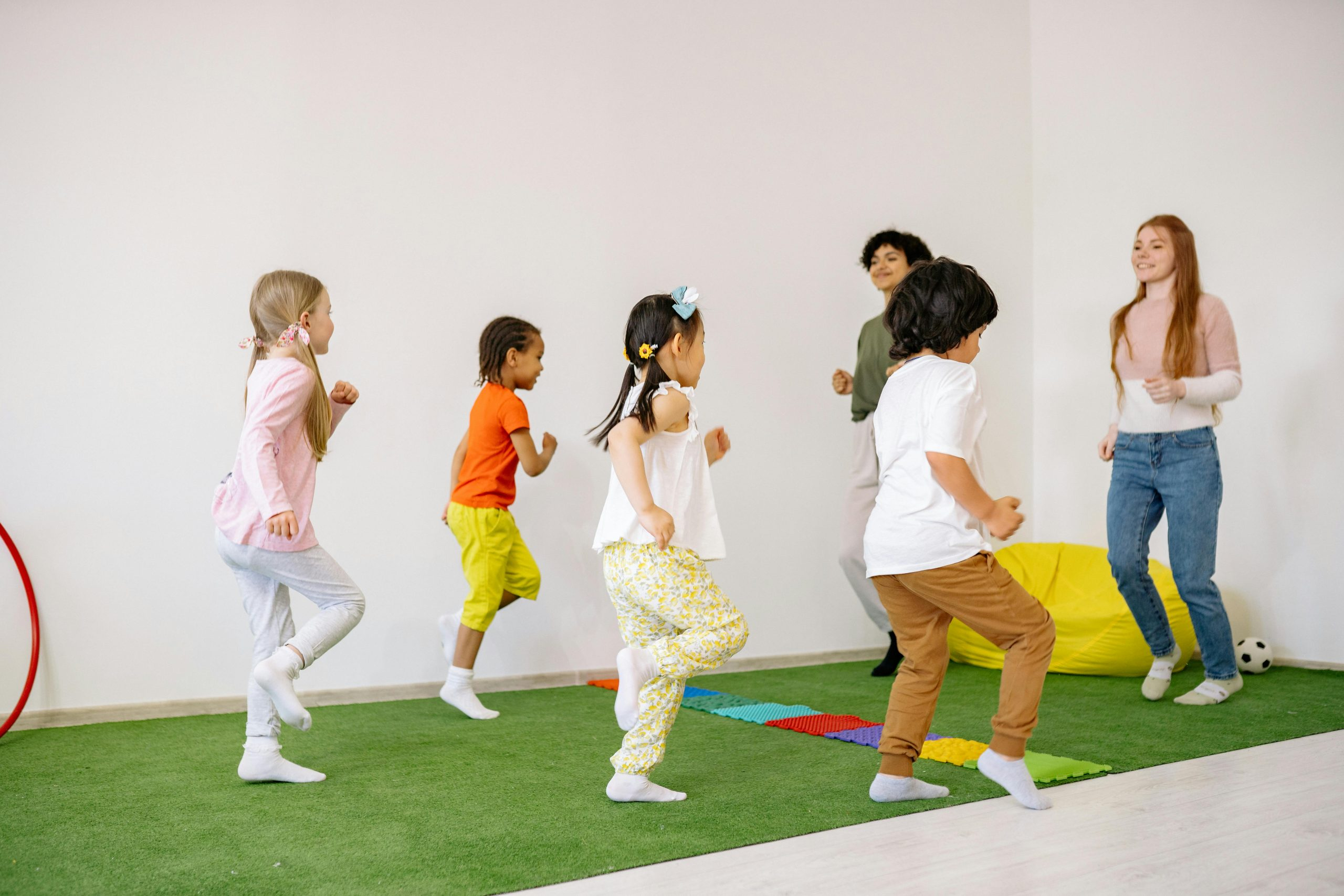
If you’ve ever watched a group of kindergarten students at play, you’ve probably witnessed a remarkable sight. These young children, full of boundless energy and curiosity, engage in imaginative games, build intricate block structures, and create art with reckless abandon. And while it might just seem like playtime to the untrained eye, what is actually happening is much more profound. The truth is, play-based learning is an essential component of early childhood education, and it plays a crucial role in the development of kindergarten students.
The Importance of Play-Based Learning
Play-based learning is based on the belief that children learn best through play. By engaging in purposeful and meaningful play, children develop essential skills and understandings that will serve as the foundation for their future learning. In fact, research has shown that play-based learning has numerous benefits for kindergarten students, including:
1. Development of Social Skills
Through play, children learn how to communicate, cooperate, and problem-solve with others. As they play together, they develop important social skills such as sharing, taking turns, and empathy.
2. Enhancement of Creativity and Imagination
Play allows children to use their imaginations to create new worlds, stories, and scenarios. This not only fosters their creativity but also helps them develop critical thinking skills as they come up with solutions to challenges in their play.
3. Improvement of Physical and Motor Skills
Play-based learning often involves physical activities such as running, jumping, and climbing, which help develop gross motor skills. It also involves fine motor activities, such as building with blocks or drawing, which help develop hand-eye coordination and fine motor skills.
4. Acquisition of Language and Literacy Skills
Play-based learning provides children with opportunities to engage in language-rich activities such as storytelling, role-playing, and singing. As they interact and communicate with others through play, they develop their language and literacy skills without even realizing it.
Why Play-Based Learning is Essential for Kindergarten Development
While all children benefit from play-based learning, it is especially crucial for kindergarten students. This is because kindergarten is a critical time in a child’s development, where they are laying the foundation for future academic success. Play-based learning allows them to learn and explore in a fun and stimulating environment, ensuring that they are ready for more formal learning when they enter primary school.
In the kindergarten classroom, play-based learning takes on many forms. It includes dramatic play, where children take on different roles and act out scenarios; block play, where they build structures using different materials; and sensory play, where they explore and engage with different textures, smells, and colors. These activities not only help develop various skills but also cater to the different learning styles and interests of kindergarten students.
Final Thoughts
In conclusion, play-based learning is an essential aspect of early childhood education, particularly for kindergarten students. It provides children with the opportunity to learn, grow, and develop in a way that is natural and enjoyable for them. As an educator or a parent, it is essential to recognize the value of play-based learning and incorporate it into a child’s daily routine. By doing so, we can help these young learners develop the skills, knowledge, and understanding they need to succeed in school and in life.
Leave a Reply