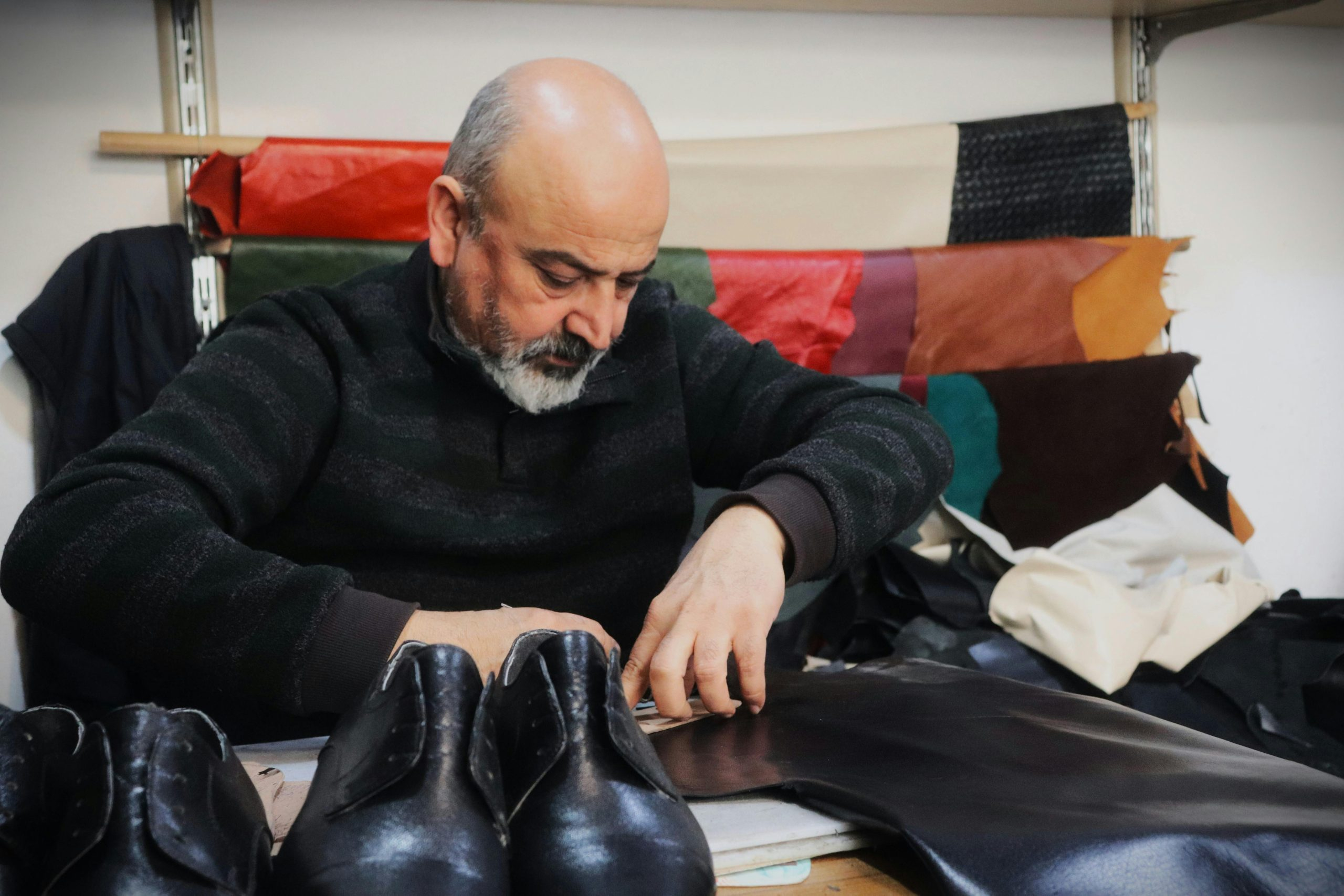
The fashion industry has undergone significant transformations over the past few decades, with the rise of fast fashion being one of the most prominent changes. Fast fashion refers to the rapid production and consumption of inexpensive clothing, allowing customers to constantly update their wardrobes with on-trend styles. However, this convenience comes at a cost, particularly for the labor markets in countries where fast fashion production takes place. In this article, we will explore the impact of fast fashion on global labor markets and the implications it has for workers in the industry.
The Growth of Fast Fashion
Fast fashion has become a dominant force in the global fashion industry, thanks to its ability to deliver new and affordable styles at a rapid pace. The traditional fashion industry, which operated on a seasonal cycle, is no longer able to keep up with the demands of consumers who want new clothes on a weekly or even daily basis. This has led to the rise of fast fashion retailers that produce clothing in large quantities, often in response to the latest fashion trends seen on social media and runways.
The Exploitation of Labor
In order to keep up with the demand for cheap, trendy clothing, fast fashion brands have resorted to outsourcing their production to developing countries with lower labor costs. For instance, countries in Asia, such as China, Bangladesh, and India, are major hubs for fast fashion production. However, this outsourcing has been accompanied by reports of poor working conditions and exploitation of laborers.
Low Wages
In countries where fast fashion production takes place, workers are often paid extremely low wages that are not enough to cover their basic needs. According to a report by Oxfam, in some factory yielding countries, workers can earn as little as 4% of the final price of a garment when working for fast fashion brands.
Unsafe Working Conditions
Fast fashion production has been linked to numerous incidents of workplace disasters, such as the Rana Plaza collapse in Bangladesh, which claimed the lives of over 1,100 workers. These incidents are often attributed to unsafe working conditions and inadequate safety measures in factories.
The Social Impact
In addition to the detrimental effects on labor, fast fashion also has social implications for the communities where it operates. The low wages and poor working conditions in fast fashion factories contribute to the cycle of poverty and hinder the economic growth of these countries. Moreover, fast fashion production has a significant environmental impact, with reports showing the industry to be a major source of pollution and waste.
The Way Forward
The negative impacts of fast fashion on global labor markets and communities are undeniable. However, as consumers, we can also play a role in bringing about change in the industry. Choosing to support brands that prioritize ethical and sustainable practices can drive the fast fashion industry to improve its labor standards. Additionally, advocating for changes in labor laws and regulations can also make a significant impact.
The Rise of Slow Fashion
There has been a growing trend towards slow fashion, which promotes sustainable and ethical production practices. Slow fashion advocates for quality over quantity, encouraging consumers to invest in timeless, high-quality pieces rather than constantly purchasing cheap, disposable clothing.
Transparency in Production
Some fashion brands have started to prioritize transparency in their production processes, allowing consumers to trace the origin of their clothing and ensuring fair treatment of workers. This not only holds brands accountable for their actions but also empowers consumers to make informed decisions about their purchases.
Conclusion
The fast fashion industry has brought about significant changes in the global fashion landscape, but at the cost of exploiting labor and harming communities and the environment. As consumers, we have the power to demand change and make ethical and sustainable choices in our fashion consumption. With the rise of slow fashion and a push for transparency in production, it is possible to create a fashion industry that is fair and sustainable for all involved.
Leave a Reply