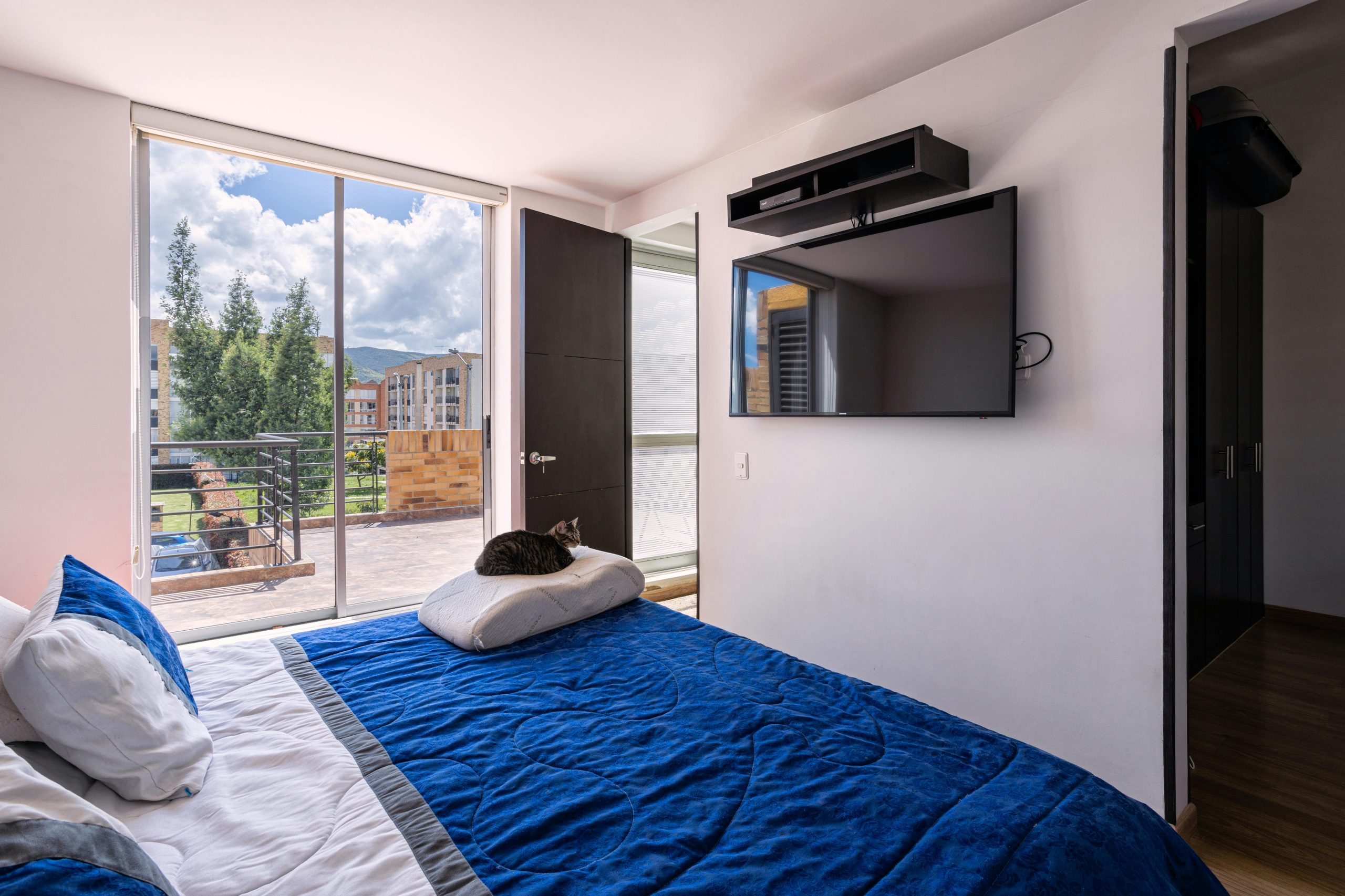
Modern living has evolved over the years, with different types of living spaces emerging to accommodate the changing needs of society. One of the most recent trends to gain popularity is the concept of tiny homes in minimalist living. These compact living spaces have become a preferred choice for many individuals and families, whether they are looking for a more sustainable lifestyle or simply seeking a more efficient use of space. In this article, we will delve into the rise of tiny homes in modern minimalist living and explore the reasons behind their growing popularity.
The Concept of Tiny Homes
Tiny homes, also known as micro homes or mini houses, are typically defined as living spaces that are no more than 500 square feet in size. These homes are built with the intention of reducing the carbon footprint and promoting a simpler way of living. They come in various designs and can be built on a foundation or on wheels for easy transportability.
The idea of living in a smaller home may seem daunting to some, but the benefits of tiny homes in modern minimalist living are undeniable. With rising housing costs and the environmental impact of oversized homes, more and more people are considering the option of downsizing to a tiny home.
Efficient Use of Space
One of the key factors driving the popularity of tiny homes is their efficient use of space. These homes are designed to maximize every inch of the living area, with multi-functional furniture and clever storage solutions. This allows for a comfortable living experience in a compact space, making it easier to maintain and less expensive to furnish.
Moreover, tiny homes are often built with sustainability in mind, with the use of eco-friendly materials and energy-efficient features. This not only reduces the environmental impact of the home but also contributes to lower monthly bills for the homeowner.
A More Sustainable Lifestyle
The rise of tiny homes can also be attributed to the growing interest in sustainable living. By downsizing to a smaller home, individuals can reduce their carbon footprint and live a more environmentally friendly life. Tiny homes typically require less energy to heat and cool, and their smaller size means less material consumption during construction.
In addition, many tiny homes are built with off-grid capabilities, allowing residents to live off the land and rely less on traditional utilities. This self-sufficient lifestyle not only reduces the homeowner’s impact on the environment but also promotes a sense of self-sufficiency and resourcefulness.
An Alternative to Traditional Housing
Aside from the practical and environmental benefits, tiny homes also provide an alternative to traditional housing. With skyrocketing housing prices, many people are unable to afford a conventional home. Tiny homes offer a more affordable option, allowing individuals to own their own living space without the burden of a large mortgage.
In addition, with the growing trend of remote work and digital nomadism, tiny homes provide the flexibility to move and travel while still having a home base. They also offer a sense of freedom from material possessions and the opportunity to live a simpler, more intentional life.
The Future of Tiny Homes in Modern Minimalist Living
The rise of tiny homes in modern minimalist living is showing no signs of slowing down. The concept has garnered a strong following, with numerous TV shows and documentaries showcasing the benefits of tiny living. The growing interest in sustainable and affordable living is likely to continue to drive the popularity of tiny homes in the future.
As the demand for tiny homes increases, we can expect to see more innovative designs and features emerge, making them even more efficient and comfortable. The tiny home movement is also gaining traction globally, with communities of tiny home enthusiasts popping up in different countries.
Conclusion
The rise of tiny homes in modern minimalist living is a testament to our changing societal values. More and more people are beginning to appreciate the benefits of living in a smaller, more sustainable space. With efficient use of space, a more environmentally friendly lifestyle, and an affordable alternative to traditional housing, it’s no wonder that tiny homes are becoming the preferred choice for many. As we continue to search for more sustainable and purposeful ways of living, the demand for tiny homes is only set to rise.
Leave a Reply