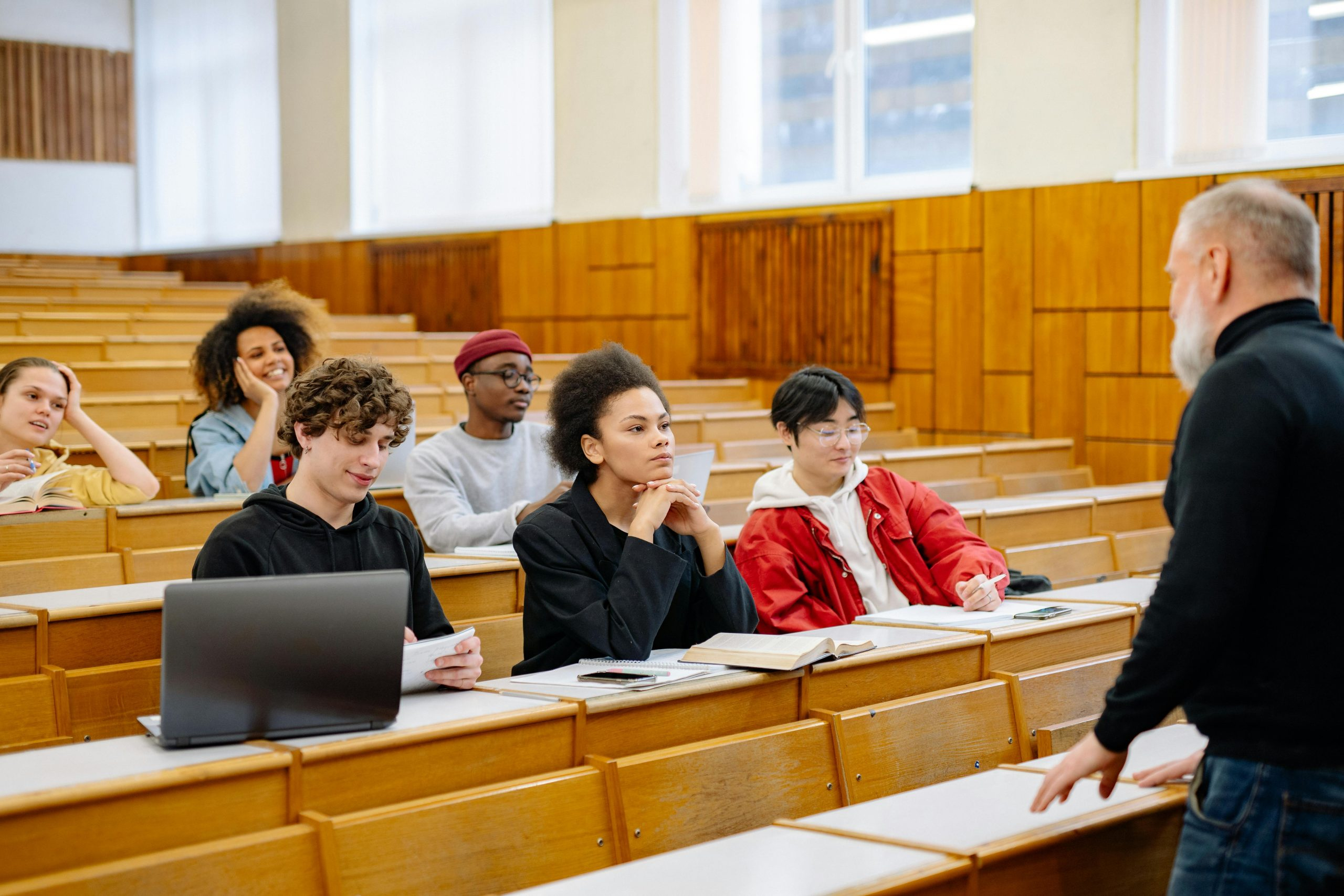
Category: Education

  • How Project Based Learning Prepares Students For Real Careers

    How Project Based Learning Prepares Students For Real Careers

    In today’s fast-paced and ever-evolving job market, it’s becoming more important than ever for students to have practical skills and experience. While traditional classroom settings are valuable for learning foundational knowledge, there’s a growing demand for students to be able to apply that knowledge in real-world settings. This is where project-based learning (PBL) comes in – a teaching method that emphasizes hands-on, collaborative projects that prepare students for real careers.

    The Benefits of Project-Based Learning

    Project-based learning is a teaching approach that requires students to actively participate in projects to learn new concepts and skills. Instead of simply memorizing information, students are challenged to apply their knowledge to solve real-world problems. This type of learning has numerous benefits for students.

    Develops Practical Skills

    One of the main advantages of project-based learning is the development of practical skills. In a project-based setting, students are required to work together to plan, research, and present their projects. This collaborative effort not only cultivates teamwork, but it also strengthens communication and problem-solving skills – all essential skills for success in the workforce.

    Prepares Students for a Variety of Careers

    PBL is a versatile teaching method that can be applied to a wide range of subjects and industries. By engaging in hands-on projects, students gain valuable experience that can be transferred to various fields. This prepares them for a variety of career paths, regardless of their future interests or goals.

    How PBL Prepares Students for Real Careers

    Project-based learning is an effective method for preparing students for real careers by providing them with practical skills and experience. Here are some specific ways in which PBL can help students succeed in the workforce:

    Develops Problem-Solving Skills

    In the workplace, employees are faced with challenges and problems on a daily basis. PBL teaches students how to think critically and creatively to find solutions. By working on complex projects, students learn to identify problems, analyze information, and generate solutions – skills that are highly sought after by employers.

    Encourages Independent Learning

    PBL is a student-centered approach to learning, which allows students to take control of their education. As they work on projects, students are responsible for their own learning, giving them the opportunity to research and explore subjects that interest them. This cultivates a sense of self-directed learning, which is crucial for success in the professional world.

    Facilitates Real-World Application

    The ultimate goal of project-based learning is to prepare students for real careers. By engaging in hands-on projects, students are exposed to real-world scenarios and problems, allowing them to apply their knowledge and skills in a practical setting. This not only prepares them for potential careers, but it also gives them a taste of what they can expect in the workforce.

    Conclusion

    PBL is a teaching method that goes beyond textbooks and lectures and prepares students for the real world. By challenging students to think critically, work collaboratively, and apply their skills to solve real-world problems, project-based learning is an essential tool for preparing students for their future careers. With the demand for practical skills and experience on the rise, it’s clear that PBL is a valuable approach to education that can benefit students in numerous ways.


  • The Connection Between Proper Nutrition And Better Academic Performance

    The Connection Between Proper Nutrition And Better Academic Performance

    The phrase “you are what you eat” is commonly thrown around when discussing the importance of nutrition. And while it may sound cliché, there is actually a lot of truth behind it, especially when it comes to academic performance.

    The Impact of Nutrition on Academic Performance

    The connection between proper nutrition and better academic performance is often overlooked and undervalued. Many students may not realize that the food they eat can have a significant impact on their ability to succeed in school. However, research has shown that there is a direct link between nutrition and academic achievement.

    The Basics of Proper Nutrition

    Proper nutrition refers to eating a well-balanced and healthy diet that provides the necessary nutrients for optimal physical and mental functioning. It includes consuming a variety of fruits and vegetables, lean proteins, whole grains, and healthy fats. On the other hand, a diet high in processed foods, sugar, and saturated fats can have detrimental effects on overall health and academic performance.

    When discussing nutrition, it is important to note that every individual has different nutritional needs. Age, gender, and level of physical activity are all factors that influence what constitutes a “proper” diet for each person. Consulting a healthcare professional or registered dietitian can help students determine their specific nutritional needs.

    The Role of Nutrition in Brain Function

    The human brain consumes a significant amount of energy, accounting for about 20% of the body’s total energy expenditure. This makes proper nutrition crucial for optimal brain function. The brain requires a variety of nutrients, including glucose, vitamins, minerals, and omega-3 fatty acids, to function properly.

    In particular, glucose, which is the primary source of energy for the brain, is crucial for maintaining focus and mental clarity. Eating regular meals and snacks that contain complex carbohydrates, such as whole grains, can provide a steady supply of glucose for the brain, allowing students to stay alert and attentive during class.

    Moreover, certain vitamins and minerals, such as vitamin B6, B12, and iron, play a vital role in the production of neurotransmitters, which are essential for relaying messages between brain cells. Without a sufficient intake of these nutrients, students may experience difficulties with memory, concentration, and mood regulation, all of which can significantly impact academic performance.

    The Link Between Nutrition and Mental Health

    In addition to physical health, proper nutrition also plays a crucial role in mental health. Studies have shown that there is a strong correlation between diet and mental health, with a poor diet being linked to a higher risk of developing mental health disorders, such as depression and anxiety.

    When it comes to academic performance, mental well-being is just as important as physical health. Students who are struggling with mental health issues may have difficulties with concentration, motivation, and memory, all of which can negatively impact their academic performance. Therefore, a proper diet that supports mental health is essential for academic success.

    Tips for Maintaining Proper Nutrition

    Eating a well-balanced diet can be a challenge for many students, especially those living away from home for the first time. However, there are simple ways to incorporate healthy eating habits into a busy student’s lifestyle:

    Plan Ahead

    Preparing meals and snacks in advance can save time and ensure that healthy options are always available. This can include packing a healthy lunch and snacks to bring to class or having pre-made meals ready to heat up when time is limited.

    Choose Healthy Options On-Campus

    Most college campuses offer a variety of healthy options in their dining halls and cafeterias. Choosing these options instead of fast food or processed snacks can make a significant impact on overall nutrition.

    Snack Smartly

    Snacking can be a healthy and necessary part of a student’s diet, as long as they make smart choices. Stocking up on fresh fruits, vegetables, and healthy fats, such as nuts and seeds, can provide quick and nutritious snacks to fuel studying sessions.

    Stay Hydrated

    Drinking enough water is crucial for proper brain function and overall health. Students should aim to drink at least eight glasses of water per day and avoid sugary drinks, as they can cause energy crashes.

    In Conclusion

    Proper nutrition is not just about maintaining a healthy weight or preventing chronic diseases. It plays a significant role in academic performance as well. Students who prioritize their nutrition by consuming a well-balanced diet can expect to see improvements in concentration, memory, and overall mental well-being. Incorporating healthy eating habits into a busy student lifestyle may seem challenging, but with determination and planning, it is possible to maintain proper nutrition and achieve academic success.

  • Promoting Gender Equality Within Science And Engineering Departments

    Promoting Gender Equality Within Science And Engineering Departments

    In recent years, the issue of gender equality in the field of science and engineering has received much attention. While women make up nearly half of the global workforce, they are significantly underrepresented in these fields, with only 28% of all scientists and engineers being female. This disparity is even more pronounced in leadership positions, with women holding only 14% of senior roles in science and engineering departments. To address this issue, there has been a growing effort to promote gender equality within these departments. In this article, we will discuss the importance of promoting gender equality, the current challenges, and potential solutions to create a more inclusive and diverse scientific community.

    The Importance of Gender Equality in Science and Engineering Departments

    The lack of gender diversity in science and engineering departments is not only a social justice issue, but it also has significant impacts on innovation and progress in these fields. Studies have shown that diverse teams lead to more creative and innovative solutions, as individuals with different backgrounds and perspectives bring unique insights to problem-solving. By excluding women from these fields, we are limiting the potential for progress and advancements in science and engineering. Additionally, promoting gender equality is essential for achieving the United Nations’ Sustainable Development Goals, specifically Goal 5: Gender Equality.

    The Current Challenges in Promoting Gender Equality in Science and Engineering Departments

    Unconscious Bias

    One of the main challenges in promoting gender equality in science and engineering departments is the existence of unconscious bias. Unconscious bias refers to the attitudes and stereotypes that influence our actions without us consciously knowing. It can result in women being overlooked or undervalued for job opportunities, promotions, and leadership positions. Moreover, it can create a hostile and discriminatory work environment that discourages women from pursuing careers in science and engineering.

    Lack of Support and Representation

    Another challenge is the lack of support and representation for women in these fields. Women often face barriers such as a lack of role models and mentors to guide them in their careers. This lack of representation can make it difficult for women to envision themselves in leadership positions and lead to a sense of isolation and discouragement. Additionally, the rigidity of the science and engineering fields, with long working hours and a competitive environment, can also pose challenges for women, especially those with caregiving responsibilities.

    Potential Solutions to Promote Gender Equality in Science and Engineering Departments

    Implementing Diversity and Inclusion Policies

    One way to address the challenges mentioned above is by implementing diversity and inclusion policies within science and engineering departments. These policies can include initiatives to increase the recruitment and retention of women in these fields, promoting a more inclusive work culture, and addressing unconscious bias through training programs. Companies and organizations should also ensure that they have a diverse hiring panel to combat any unconscious bias during the recruitment process.

    Encouraging Mentorship and Sponsorship Programs

    Mentorship and sponsorship programs can also play a crucial role in promoting gender equality in science and engineering departments. These programs provide women with the support and guidance they need to navigate the challenges they may face in their careers. They also enable women to develop networking opportunities and gain access to resources and opportunities for advancement.

    Creating Flexible and Inclusive Work Environments

    To support women with caregiving responsibilities, companies and organizations should create flexible work arrangements that allow for a better work-life balance. These arrangements can include options such as remote work and flexible work hours. Moreover, creating an inclusive work environment where diversity and different perspectives are valued can also help address the challenges faced by women in these fields.

    Conclusion

    In conclusion, promoting gender equality within science and engineering departments is essential not only for social justice but also for innovation and progress in these fields. Despite the challenges, there are several potential solutions that companies and organizations can implement to create a more inclusive and diverse scientific community. By addressing unconscious bias, providing support and representation, and creating flexible and inclusive work environments, we can work towards achieving gender equality within science and engineering departments. It is time to break down the barriers and create a more equitable future for all individuals in these fields.

  • Developing Ethical AI Usage Guidelines For University Level Students

    Developing Ethical AI Usage Guidelines For University Level Students

    In today’s world, artificial intelligence (AI) has become an integral part of our daily lives. From voice recognition assistants to self-driving cars, AI has been integrated into various fields and industries. With its rapid development, it is now being incorporated into education, particularly in universities. However, as this technology continues to evolve, ethical concerns surrounding its usage have also been raised. In order to ensure responsible and ethical use of AI in universities, it is essential to develop clear and comprehensive guidelines. In this article, we will delve into the importance of developing ethical AI usage guidelines for university level students and provide insight into how these guidelines can be formulated and implemented.

    The Need for Ethical AI Usage Guidelines in Universities

    As AI continues to become more advanced and prominent in society, concerns about its potential negative impact grow. In a university setting, where AI is used for educational purposes, it is crucial to establish ethical guidelines to ensure that students understand and adhere to responsible and ethical practices when using AI. Here are a few reasons why ethical AI usage guidelines are necessary for universities:

    Promoting Transparency and Accountability

    Developing AI usage guidelines in universities promotes transparency and accountability. By setting clear guidelines, students are aware of the ethical standards expected of them when using AI. This also holds universities accountable for the use of AI in their curriculum and research.

    Protecting Students’ Rights and Privacy

    AI has the ability to collect and analyze vast amounts of data, which can potentially invade students’ privacy. Ethical AI usage guidelines in universities can help protect students’ privacy by ensuring that their data is collected and used ethically and with their consent.

    Mitigating Bias and Discrimination

    One of the biggest concerns surrounding AI is its potential for bias and discrimination. By developing ethical AI usage guidelines, universities can address this issue and ensure that AI systems are designed and implemented without any bias or discrimination. This promotes a fair and inclusive learning environment for all students.

    Formulating Ethical AI Usage Guidelines for University Level Students

    Now that we understand the importance of developing ethical AI usage guidelines for university level students, the question arises: how can we formulate these guidelines? Here are some key considerations to keep in mind:

    Involve a Diverse Group of Stakeholders

    When formulating AI usage guidelines, it is essential to involve a diverse group of stakeholders, including students, faculty, IT experts, and ethicists. This ensures that the guidelines are comprehensive and encompass different perspectives.

    Consider the Ethical Implications of AI

    AI can have significant ethical implications, and it is important to consider these when formulating guidelines. Some of the key ethical considerations include data privacy, bias and discrimination, and transparency in decision-making by AI systems.

    Include the Principles of Ethical AI

    There are several principles of ethical AI that should be included in the guidelines. These include fairness, transparency, accountability, and responsibility. These principles serve as a guide to ensure that AI is used ethically and with the best interest of all stakeholders in mind.

    Implementing Ethical AI Usage Guidelines

    Developing ethical AI usage guidelines is only half the battle; the other half is implementing and enforcing these guidelines. Here are some strategies for effectively implementing ethical AI usage guidelines in universities:

    Training for Students and Faculty

    It is crucial to provide training to students and faculty on the ethical use of AI. This helps them understand the guidelines and their responsibilities in adhering to them.

    Regular Audits and Assessments

    In order to ensure compliance with the guidelines, regular audits and assessments should be conducted. This can help identify any potential issues and address them promptly.

    Promoting a Culture of Ethics

    Ultimately, universities should strive to promote a culture of ethics when it comes to AI usage. This includes having open discussions about ethical concerns, promoting ethical behavior, and creating a safe environment for students to voice their concerns.

    Conclusion

    Incorporating AI into universities has the potential to revolutionize education and research. However, it is important to recognize the ethical implications that come with its usage and take steps to ensure responsible and ethical practices. Developing and implementing ethical AI usage guidelines for university level students is a crucial step in achieving this goal and promoting a positive and ethical use of AI in education.

  • Revitalizing Stem Subjects Through Art And Creative Design Integration

    Revitalizing Stem Subjects Through Art And Creative Design Integration

    The fields of science, technology, engineering, and mathematics – collectively known as STEM – have long been viewed as the domain of logic, rationality, and technical skills. On the other hand, art and design have been considered more fluid, subjective, and creative. However, in recent years, there has been a growing trend towards integrating art and design into STEM subjects, recognizing the powerful impact it can have on both teaching and learning. This integration has the potential to not only revitalize how STEM subjects are taught, but also how they are perceived by students and society as a whole. In this article, we will explore the concept of revitalizing STEM subjects through art and creative design integration and its potential benefits for both students and educators.

    The Importance of STEM Education

    STEM education has become increasingly prominent in schools and higher education institutions around the world. It is seen as vital for developing a skilled workforce and promoting innovation in various industries. In today’s tech-driven society, STEM skills are highly sought after by employers and are essential for a successful future career. STEM education aims to equip students with the necessary knowledge, skills, and attitudes to navigate an ever-evolving world and contribute to scientific and technological advancements.

    The Lack of Creativity in STEM Education

    Despite the increasing focus on STEM education, there has been a lack of emphasis on creativity and design thinking in traditional STEM subjects. This is particularly evident in the way these subjects are usually taught, which often involves rote learning, memorization, and a linear approach to problem-solving. As a result, many students may feel disengaged, struggling to see the relevance and real-world application of what they are learning.

    Furthermore, the perception of STEM subjects as being dry, technical, and lacking creativity can deter many students from pursuing these fields. This has resulted in a significant shortage of STEM professionals, especially women and minorities, who are underrepresented in STEM fields. In today’s rapidly changing world, it is becoming increasingly important to cultivate innovative and creative thinking, not just technical skills, to tackle complex problems and drive progress. This is where the integration of art and design into STEM subjects becomes crucial.

    The Power of Art and Design in STEM Education

    Integrating art and design into STEM education provides a more holistic and well-rounded approach to teaching and learning. Art and design foster creativity, critical thinking, and problem-solving skills, which are essential for innovation and progress in scientific and technological fields. By incorporating these elements into STEM subjects, students can learn to think outside the box, approach problems from multiple perspectives, and explore their imaginations.

    Hands-On Learning and Experiential Education

    Art and design also offer a more hands-on and experiential learning experience, which can be highly beneficial for understanding complex STEM concepts. Instead of just reading about formulas and theories, students can see these concepts come to life through visual aids, models, and hands-on projects. This can aid in retention and understanding, making learning more engaging and enjoyable for students.

    Breaking Down Stereotypes and Encouraging Diversity

    One of the significant benefits of integrating art and design into STEM education is that it can help break down stereotypes and encourage diversity. By showcasing the intersection between art and science, students can see that STEM subjects are not just for a select few but are open to anyone with an interest and passion for these fields. This can help increase the diversity of students pursuing STEM careers, promoting innovation and inclusivity in these industries.

    The Future of STEM Education

    The integration of art and design into STEM subjects has the potential to transform the way these subjects are taught and perceived. By fostering creativity, hands-on learning, and inclusivity, this approach can revitalize STEM education and make it more engaging and relevant for students. It also prepares them for the rapidly changing job market, where creativity and innovation are becoming increasingly valued.

    In conclusion, integrating art and design into STEM education is a powerful way to revitalize these subjects and create a more well-rounded learning experience for students. By embracing creativity and promoting inclusivity, this approach has the potential to prepare students for the future and promote progress and innovation in STEM fields. It is time to break away from the traditional, siloed approach to teaching and embrace the power and potential of combining art and science in education.

  • The Rise Of Micro Credentials In Professional Skill Development

    The Rise Of Micro Credentials In Professional Skill Development

    The professional landscape is constantly evolving, and with it, the skills needed to stay ahead of the game. As technology continues to advance at a rapid pace, traditional educational degrees are no longer enough to sustain a successful career. In response to this, micro credentials have emerged as a game-changing solution for professionals looking to upskill and stay relevant in their field. With its rising popularity, it is clear that micro credentials are here to stay. In this article, we will delve into the rise of micro credentials in professional skill development and how it is shaping the future of work.

    The Definition of Micro Credentials

    Micro credentials, also known as nano degrees or micro certifications, are short-term, highly-focused educational programs that provide individuals with specific skills and knowledge in a particular area. Unlike traditional degrees that can take years to complete, micro credentials can be earned in a matter of weeks or months, making them a more accessible option for busy professionals.

    These credentials are often provided by reputable online learning platforms or organizations in partnership with universities or industry experts. They are focused on practical, job-specific skills that are in high demand in the job market. Examples of micro credentials include coding bootcamps, online courses on specific software or tools, project management training, or digital marketing certifications.

    The Advantages of Micro Credentials

    Flexibility and Relevance

    One of the major advantages of micro credentials is their flexibility. As these programs are online-based, professionals can access them from anywhere in the world, making it possible to balance work commitments while upskilling. Additionally, micro credentials are designed to address skills that are in high demand, ensuring their relevance in the job market.

    Cost-Effective

    Traditional degrees can be prohibitively expensive for many individuals, and not everyone can put their careers on hold to attend university. Micro credentials offer a more affordable alternative, with shorter and more focused courses that are often more cost-effective than traditional degrees. This makes it easier for professionals to invest in their continuous learning without breaking the bank.

    Time-Efficient

    One of the greatest advantages of micro credentials is that they are time-efficient. With traditional degrees spanning several years, it can take a considerable amount of time before individuals can apply the skills learned in the workforce. Micro credentials, on the other hand, provide specific and practical skills that can be immediately applied in the workplace, accelerating career growth.

    The Impact of Micro Credentials on Professional Skill Development

    Micro credentials have had a significant impact on professional skill development, disrupting the traditional education model in many ways. One of the most significant changes is the shift towards continuous learning, where individuals are encouraged to continuously upskill to remain relevant in their field. As the job market becomes more competitive, having a well-rounded set of skills and knowledge is crucial for career advancement.

    Moreover, micro credentials have also been instrumental in bridging the gap between academic learning and practical application. By focusing on specific and in-demand skills, professionals can gain the necessary knowledge and experience to excel in their roles. This has also led to increased collaboration between educational institutions and industry experts, providing a more accurate representation of the current job market needs.

    Conclusion

    The rise of micro credentials in professional skill development is undeniable, and its impact on the future of work is significant. These short, focused programs offer an attractive alternative to traditional degrees by providing accessible, relevant, and cost-effective education. With the continuously changing job market, micro credentials are proving to be a game-changer for professionals looking to stay ahead of the curve and secure their career growth. As we look towards the future, it is clear that micro credentials will continue to play a crucial role in professional skill development and shaping the workforce of tomorrow.

  • How Bilingual Education Programs Benefit Cognitive Function In Adults

    How Bilingual Education Programs Benefit Cognitive Function In Adults

    As the world becomes increasingly interconnected, being bilingual has become a valuable skill in both personal and professional contexts. In fact, the demand for bilingual individuals has been steadily rising, making bilingual education programs more important than ever. While the benefits of bilingualism are well-known, many may not realize the impact of these programs on cognitive function in adults. In this article, we will explore how bilingual education programs can enhance cognitive function and the various advantages they offer to adults who partake in them.

    The Cognitive Benefits of Bilingual Education Programs

    Bilingual education programs have been shown to have a significant impact on cognitive function, particularly in terms of problem-solving, multitasking, and memory retention. By regularly using two languages, the brain becomes more adept at filtering relevant information and suppressing irrelevant information, thus improving cognitive flexibility, concentration, and attention switching. These cognitive skills are crucial in various everyday tasks, and with a bilingual education, adults can sharpen them over time.

    Enhanced Problem-Solving Skills

    Studies have shown that bilingual individuals are more efficient and accurate at solving problems that require cognitive flexibility. This is because the constant switching between languages requires the brain to continuously adapt and adjust, leading to improved problem-solving abilities. Bilingual education programs expose adults to a range of problem-solving tasks, which can greatly enhance their critical thinking skills and help them become more successful in both personal and professional settings.

    Improved Multitasking Abilities

    In today’s fast-paced world, multitasking has become a necessary skill. Bilingual individuals have been found to be better at multitasking than monolingual individuals as they have developed the ability to switch between languages efficiently. This is due to the constant practice of switching between languages in different contexts, which enables the brain to manage multiple tasks simultaneously. Therefore, those who participate in bilingual education programs not only enhance their linguistic abilities but also improve their multitasking capabilities.

    Better Memory Retention

    The process of learning and using multiple languages requires the brain to continuously store, retrieve, and manipulate information. Research has shown that this constant exercise has a positive effect on memory retention, making bilingual individuals more adept at remembering names, faces, and other details. Bilingual education programs often require learners to recall vocabulary and grammar rules in both languages, which strengthens the brain’s memory function and can help combat age-related memory loss in adults.

    The Advantages of Bilingual Education Programs for Adults

    Beyond the cognitive benefits, there are various other advantages that adults can gain from participating in bilingual education programs. These programs offer a unique and enriching experience that goes beyond simply learning a new language. Here are just a few of the many advantages of bilingual education programs for adults:

    Enhanced Career Opportunities

    In today’s global economy, being bilingual is a highly sought-after skill by employers. Bilingual individuals have been found to have more job opportunities, higher salaries, and better career advancement prospects. By participating in a bilingual education program, adults can equip themselves with the language skills and cultural understanding that make them marketable to companies with international presence.

    Better Cultural Understanding

    Learning a new language is not just about mastering grammar and vocabulary; it also involves gaining insight into a different culture. Bilingual education programs allow adults to immerse themselves in a new culture, which leads to a greater understanding and appreciation of different customs, traditions, and ways of life. This not only broadens one’s perspective but also fosters tolerance and acceptance towards diverse communities.

    Flexible Learning Options

    Bilingual education programs cater to different learning styles, schedules, and preferences. With online learning available, adults can participate in these programs at their own pace and at a time that best suits them. This flexibility enables professionals to improve their language skills without having to compromise their work or family commitments.

    Conclusion

    In conclusion, bilingual education programs are not only beneficial for acquiring a new language, but they also have a positive impact on cognitive function in adults. These programs enhance problem-solving skills, multitasking abilities, and memory retention, while also providing various advantages such as improved career opportunities and cultural understanding. With the world becoming increasingly diverse and interconnected, participating in a bilingual education program can have far-reaching benefits that go beyond language proficiency.

  • Integrating Social Justice Themes Into High School English Courses

    Integrating Social Justice Themes Into High School English Courses

    In recent years, social justice has become an increasingly important topic in our society. From protests for racial equality to movements addressing income inequality, issues of social justice are at the forefront of our conversations. As we look towards the future, it is crucial that we equip our younger generations with the knowledge and understanding of these topics. That is why integrating social justice themes into high school English courses is not only necessary but essential for preparing our students to be informed and empathetic members of society. In this article, we will explore why this integration is crucial and how educators can effectively incorporate these themes into their curriculum.

    The Importance of Social Justice Education

    Social justice education is essential in promoting critical thinking, empathy, and global awareness among students. By learning about historical and current issues of social injustice, students can gain a deeper understanding of diverse perspectives and cultures. It also encourages them to question systemic biases and inequalities that exist in our society, leading to a more equitable and inclusive future.

    Integrating Social Justice Themes Into High School English Courses

    Infusing Texts with Social Justice Themes

    The most effective way to integrate social justice themes into high school English courses is through carefully selecting texts that address these issues. By choosing books, poems, and plays that center around topics of social justice, students can apply critical thinking skills and analyze societal issues through a literary lens. For instance, texts such as “To Kill a Mockingbird” by Harper Lee, “A Raisin in the Sun” by Lorraine Hansberry, or “The Hate U Give” by Angie Thomas, can spark meaningful discussions around race, class, and inequality.

    Using Writing Assignments to Encourage Reflection

    Writing is an excellent way to promote critical thinking and expression. Incorporating writing assignments that require students to reflect on social justice themes can be a powerful tool in their education. These assignments could include personal reflections on their experiences with discrimination or oppression, persuasive essays discussing solutions to societal issues, or creative writing pieces that explore different perspectives. By incorporating these writing tasks, students can develop their own voice and become more empathetic towards others.

    Incorporating Diversity and Inclusion in Group Discussions

    High school is a time for students to develop not only academically but also socially. Group discussions allow students to engage with their peers on various topics and build their communication skills. By including diverse voices and perspectives in these discussions, teachers can create an inclusive and safe space for students to explore social justice themes. Additionally, it encourages students to listen and learn from one another, promoting empathy and understanding.

    Challenges and Opportunities

    Integrating social justice themes into high school English courses may come with challenges, such as pushback from students or parents. However, these challenges present opportunities for educators to foster discussions and address misconceptions surrounding these topics. It is also essential to recognize that social justice education is an ongoing process, and teachers must continuously educate themselves to be effective in their teaching.

    In Conclusion

    Integrating social justice themes into high school English courses can be a transformative experience for students, as it encourages critical thinking, empathy, and global awareness. By carefully selecting texts, using writing assignments, and incorporating diversity in group discussions, educators can create a conducive learning environment that promotes social justice education. As we continue to pave the way towards a more equitable and inclusive society, it is essential to equip our younger generations with the knowledge and understanding of social justice themes through their education.

  • Understanding The Psychological Effects Of Homework On Young Learners

    Understanding The Psychological Effects Of Homework On Young Learners

    Homework has been a topic of debate in the education system for years. While some see it as a necessary task for students to reinforce academic learning, others argue that it causes more harm than good. With childhood mental health and academic pressure on the rise, it is essential to understand the psychological effects of homework on young learners. It is not only about completing assignments but also about their overall well-being. In this article, we will delve into the various ways homework can impact young learners’ minds and how we can create a healthy balance for them.

    The Pressure of High Expectations

    Homework is often seen as a tool for academic success. Teachers assign homework with the intention of reinforcing lessons learned in the classroom, but it can also put unnecessary pressure on students, especially young learners. Studies have shown that excessive homework leads to a decline in academic performance for students in primary and secondary school.

    The pressure of high expectations from parents and teachers to excel in academics can cause students to feel overwhelmed and anxious. This can lead to a decline in self-esteem and motivation, which can affect their overall performance in school. The constant fear of not meeting expectations can create a negative mindset, making students believe that they are not smart enough.

    Impact on Mental Health

    Homework is not only a source of academic pressure but also a contributing factor to mental health issues in young learners. Children are still in their developmental stages, and their minds are not equipped to handle the same levels of stress as adults. The stress and anxiety caused by excessive homework can manifest in different forms, such as mood swings, difficulty sleeping, and even depression in extreme cases.

    Homework also takes away from valuable leisure time that students need to unwind and relax. With academic pressure and extracurricular activities, students have little to no time for themselves, leading to burnout. This can have severe long-term effects on their mental health, such as increased risk of anxiety and depression disorders.

    The Importance of Balance

    In recent years, there has been a growing trend of overloading students with homework to ensure academic success. However, there needs to be a balance between learning and leisure. It is crucial for parents and teachers to work together in creating a healthy balance for young learners.

    One way to do this is by limiting the amount of homework assigned and focusing on quality over quantity. This ensures that students are not overwhelmed and can complete tasks to the best of their abilities. Teachers can also provide alternative methods of learning, such as hands-on activities, to make the learning process more engaging and less stressful.

    Parents also play a vital role in creating a balance for their children. They can set aside time for their children to relax and engage in activities they enjoy. This not only helps in reducing stress but also allows for a healthy parent-child relationship and instills the importance of balance in their children.

    In Conclusion

    Homework has become an integral part of the education system, but we must understand the impact it has on young learners’ psychological well-being. It is essential to create a balance between academic success and mental health. The pressure of high expectations and excessive homework can have adverse effects on students, which can affect their overall academic performance and mental health. It is up to parents and teachers to work together in creating a healthy and positive learning environment for young learners.

    Let us not forget that students are still children, and their minds are still developing. It is our responsibility to ensure that their mental and emotional well-being is not compromised in the pursuit of academic success. As they say, “all work and no play makes Jack a dull boy.” It is time to recognize the importance of balance and prioritize the overall well-being of young learners.