
Category: Fashion

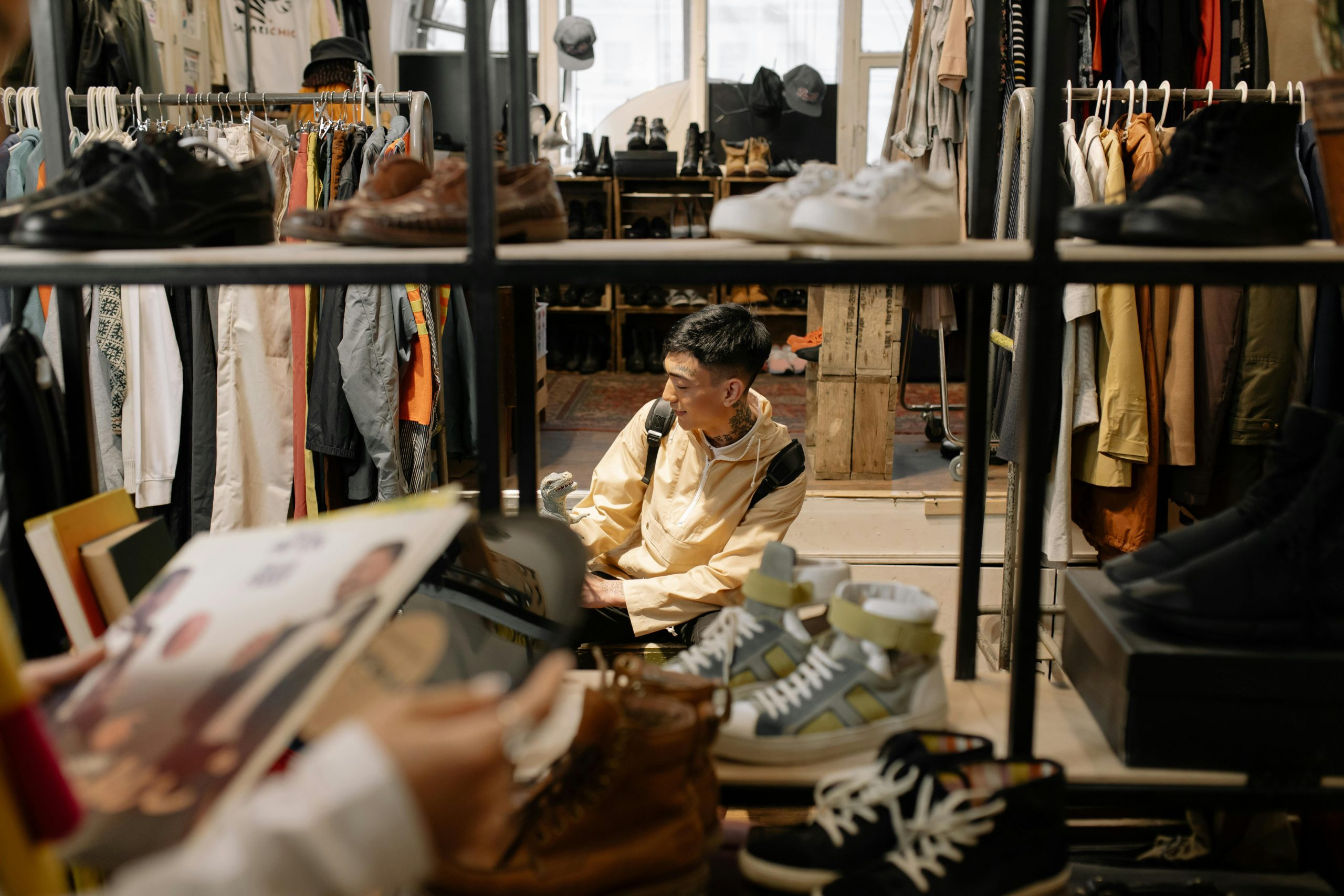
  • Exploring the Impact of Interior Design on Boutique Aesthetics

    Exploring the Impact of Interior Design on Boutique Aesthetics

    Boutiques are known for their unique and stylish atmosphere, with their carefully curated collections and personalized touch. But one of the most crucial factors that contribute to the success of a boutique is its interior design. The way a boutique is designed and styled has a significant impact on its overall aesthetics and customer experience. In this article, we will explore the various ways in which interior design can influence the aesthetics of a boutique and how it can make or break its success in the fiercely competitive retail industry.

    The Role of Interior Design in a Boutique

    The interior design of a boutique goes far beyond just mere decoration. It is an integral part of the overall brand image and plays a critical role in attracting and retaining customers. It creates an immersive and unique shopping experience that differentiates a boutique from a regular store. The right design can create a lasting impression on customers, making them want to come back for more.

    Captivating the Customers

    The first and most crucial role of interior design in a boutique is to captivate the customers from the moment they step inside. It should create a welcoming and inviting atmosphere that entices customers to explore the store and its products. A well-designed boutique should have a cohesive theme that reflects the brand’s image and resonates with its target audience.

    The use of colors, lighting, and textures plays a significant role in creating the desired ambiance. For instance, a boutique catering to a young and trendy audience may opt for bright colors, bold patterns, and modern lighting, while a luxury boutique may choose a more sophisticated and elegant design with warmer tones and soft lighting.

    Emphasizing the Products

    While the interior design of a boutique should be aesthetically pleasing and welcoming, it should never overpower or distract from the products. The design should be in harmony with the products on display and help highlight them rather than compete with them. The layout of the store should be well thought out, with strategic placement of products, creating an effortless flow for customers to explore and discover new items.

    The placement of shelves, racks, and displays should be optimized to showcase the products’ best features and make them easily accessible to customers. Lighting also plays a crucial role in emphasizing the products. The right lighting can create a focal point, making certain products stand out and look more desirable.

    The Impact on Customer Experience

    Interior design is not just about creating an alluring ambiance; it also has a profound impact on the customer experience. A well-designed boutique takes into consideration the need for comfort and convenience that will enhance the customer’s overall shopping experience. A comfortable seating area, a fitting room with ample space and flattering lighting, and a well-designed checkout counter are just a few elements that can elevate the customer’s experience at a boutique.

    Encouraging Customers to Stay Longer

    A well-designed boutique is not just about making a sale; it’s about creating an experience that customers will want to enjoy and come back for. A well thought out design can entice customers to stay longer, explore more products, and potentially make more purchases. This is achieved through the use of comfortable seating, visually appealing displays, and cleverly placed products that encourage browsing.

    Fostering Brand Loyalty

    The interior design of a boutique can also have a significant impact on creating brand loyalty among customers. A unique and memorable design creates an emotional connection with customers, making them feel a part of the brand’s story. When customers feel a personal connection with the brand, they are more likely to become repeat customers, creating a loyal customer base for the boutique.

    The Bottomline

    Interior design is a powerful tool that can make or break the overall aesthetics and success of a boutique. It goes beyond just making a space look attractive; it plays a crucial role in creating an immersive and unforgettable customer experience. A well-designed boutique helps attract and retain customers, fosters brand loyalty, and ultimately drives sales. In an industry as competitive as retail, investing in quality interior design is not just a luxury but a necessity for any boutique that wants to stand out and succeed.

  • The Ethics of Using Artificial Intelligence in Design

    The Ethics of Using Artificial Intelligence in Design

    Artificial intelligence (AI) has been a hot topic in recent years, with advances and innovations being made in various industries. From self-driving cars to virtual assistants, AI has shown its potential to revolutionize the way we live and work. In the design field, AI has also been making its mark, with algorithms and machine learning being used to create designs and help designers in their creative process. While this may seem like a convenient tool for designers, there are ethical considerations that need to be addressed when using AI in design. In this article, we will explore the ethics of using artificial intelligence in design and the implications it may have on the industry.

    The Rise of AI in Design

    In order to understand the ethics of using AI in design, it is important to first understand its role in the industry. In recent years, AI has been making its way into design tools and processes, providing designers with a new level of efficiency and creativity. AI-powered design tools such as Adobe’s Sensei and Canva’s Design AI have been gaining popularity, allowing designers to automate repetitive tasks and generate design options based on data and algorithms.

    Furthermore, AI has also been used in the design process itself. For example, AI-powered generative design has been used to create optimized and innovative designs for products and structures. This technology uses algorithms to analyze data and create design options that meet certain criteria, taking into consideration factors such as material strength and weight.

    The Benefits of Using AI in Design

    The use of AI in design brings numerous benefits to the table. First, it allows designers to save time and energy by automating repetitive tasks, leaving them with more time to focus on the creative aspects of their work. This also leads to increased productivity, as designers can produce more design options in a shorter amount of time. Moreover, the use of AI in design can also result in more innovative and optimized designs, as it is able to process and analyze data in a way that humans cannot.

    AI also has the potential to bridge the gap between designers and their clients. With the help of AI, designers can generate multiple design options and present them to clients, allowing for more collaboration and feedback in the design process. This can lead to a more efficient and satisfying experience for both parties.

    The Ethical Considerations

    While the benefits of using AI in design are apparent, there are ethical considerations that need to be addressed before fully embracing this technology. One of the main concerns is the potential loss of jobs for designers. With AI automating tasks and generating design options, some fear that it will render designers obsolete. This raises the question of whether or not AI should be used for tasks that were previously done by human designers.

    Additionally, there is the issue of bias in AI-powered design tools. AI is only as unbiased as the data it is fed. If the data used to train the algorithm contains biases, then the resulting designs will also reflect those biases. This can have serious consequences, especially in industries where diversity and inclusivity are crucial, such as fashion and advertising.

    Addressing the Ethics of Using AI in Design

    In order to address these ethical considerations, it is important for designers and companies to have a code of ethics when it comes to using AI in design. This may include guidelines on when and how AI should be used, as well as ensuring that the data used to train the algorithms is diverse and unbiased. Companies also have a responsibility to invest in the training and upskilling of designers to adapt to the changing landscape of design.

    Moreover, designers should also have a deeper understanding of AI and its implications in order to make informed decisions when using it in their work. This will not only ensure ethical practices, but also help designers use AI to its full potential.

    In Conclusion

    The use of AI in design undoubtedly brings numerous benefits and opportunities. However, it is important to address the ethical considerations that come with it. By having a code of ethics and a deeper understanding of AI, designers can continue to harness the power of this technology while ensuring ethical practices are in place. As AI continues to evolve and become more prevalent in the design industry, it is crucial that we continue to have these conversations and strive for ethical and responsible use.

  • How Consumer Data Is Shaping Retail Stock Decisions

    How Consumer Data Is Shaping Retail Stock Decisions

    The retail industry has seen significant changes in recent years thanks to the rise of big data and consumer analytics. With the increasing availability and utilization of consumer data, retailers are now able to make more informed and data-driven decisions, particularly when it comes to stock management. In this article, we will explore how consumer data has become a crucial factor in shaping retail stock decisions, and how companies are leveraging this information to stay ahead in the highly competitive retail market.

    The Growing Importance of Consumer Data

    In today’s digital age, consumer data is generated at an unprecedented rate. From online transactions and social media interactions to in-store purchases and loyalty card usage, data is being collected from various touchpoints. This data includes information such as demographics, shopping preferences, purchasing history, and more, providing retailers with a unique insight into their customers’ behaviors and preferences.

    The ability to collect, analyze, and interpret this data has become a game-changer for retailers. It allows them to understand their customers on a deeper level, tailor their marketing strategies, and ultimately improve their bottom line. However, one of the most significant benefits of consumer data lies in its impact on stock decisions.

    How Consumer Data is Shaping Retail Stock Decisions

    Demand Forecasting and Inventory Management

    Consumer data has transformed the way retailers manage their inventory. By analyzing historical sales data, retailers can now predict future demand for products accurately. Through this demand forecasting, they can adjust their inventory levels accordingly, avoiding stock shortages or overstocking.

    Furthermore, analyzing consumer data can also help retailers identify patterns in customer behavior, such as the time of day or season, that affect demand for specific products. This knowledge allows retailers to manage their stock levels more effectively, reducing the risk of lost sales or unnecessary inventory costs.

    Retailers Can Make Data-Driven Product Decisions

    Consumer data not only helps retailers manage their current stock but also informs their future product decisions. By analyzing customer preferences, retailers can identify which products are in high demand and which are not performing well. This information enables retailers to make data-driven decisions on which products to stock, discontinue, or modify.

    Furthermore, by understanding consumer behavior, retailers can determine factors such as price sensitivity and brand loyalty, allowing them to make informed decisions on pricing and promotions. Adjusting pricing based on customer data can result in increased sales, as customers are more likely to purchase products at a price point they feel comfortable with.

    Utilizing Consumer Data in E-Commerce

    Consumer data has also been a significant driving force behind the growth of e-commerce. With the abundance of data available, online retailers can personalize their offerings to individual customers, providing a more customized and enjoyable shopping experience. By analyzing customer behavior on their websites, online retailers can recommend products that are more likely to appeal to each specific customer, increasing the chances of conversion.

    E-commerce retailers can also leverage consumer data to improve their supply chain management. By tracking online purchases and customer preferences, online retailers can manage their inventory more efficiently, avoiding stockouts and increasing customer satisfaction.

    The Future of Consumer Data in Retail Stock Decisions

    The use of consumer data to inform retail stock decisions is a rapidly growing trend, and it is expected to continue evolving in the future. As technology advances and more data sources become available, retailers will have access to even more robust and diverse consumer data. This data will continue to shape stock decisions, especially in the areas of product assortment, pricing, and inventory management.

    Furthermore, the integration of artificial intelligence and machine learning in data analysis will make it easier for retailers to identify patterns and trends, providing them with more accurate insights into consumer behavior and preferences. The result will be more precise and efficient retail stock decisions, benefiting both retailers and their customers.

    Conclusion

    In conclusion, consumer data is no longer just a tool for marketers, but a vital factor in shaping retail stock decisions. By using this data to forecast demand, manage inventory, and make data-driven product decisions, retailers can stay ahead in the highly competitive retail landscape. As consumer data continues to play a crucial role in retail operations, companies that embrace and leverage it will undoubtedly have a competitive advantage in the future.

  • Designing Clothes That Are Functional and Aesthetically Pleasing

    Designing Clothes That Are Functional and Aesthetically Pleasing

    When it comes to fashion, functionality and aesthetic appeal are often seen as two competing factors. However, in recent years, there has been a major shift in the way designers approach clothing. They are now merging form and function, creating clothes that not only look good but also serve a purpose. This trend has been particularly popular in the activewear industry, but it is making its way into mainstream fashion as well. In this article, we will explore the concept of designing clothes that are both functional and aesthetically pleasing.

    The Rise of Functional Fashion

    Gone are the days when fashion was all about impractical clothing that was just meant to make a statement. In today’s fast-paced world, people want clothes that can keep up with their busy lifestyles. This has led to the rise of functional fashion – a trend that focuses on creating clothes that serve a purpose beyond just looking good.

    Functional fashion can be seen in various forms such as clothes with hidden pockets, detachable parts, and durable materials. Brands like Lululemon and Athleta have built their entire business on creating function-focused activewear. These clothes are not only stylish but also designed to withstand intense physical activities like running, yoga, and weightlifting.

    The Importance of Functionality in Clothing

    Functionality in clothing is not just limited to activewear. In fact, it has become a key factor in everyday clothing as well. This is because people are now looking for clothes that can serve multiple purposes and provide comfort throughout the day.

    For instance, workwear is no longer just about looking professional. It also needs to be comfortable enough to be worn all day, especially for those with desk jobs. This has led to the introduction of stretchy fabrics, breathable materials, and wrinkle-resistant clothing in the workwear industry.

    Another important aspect of functionality in clothing is sustainability. With the growing concern for the environment, people are now more conscious of the impact their clothes have on the planet. This has led to a demand for clothes that are made from eco-friendly materials and have a longer lifespan.

    The Role of Aesthetic Appeal

    While functionality is crucial, aesthetic appeal should not be overlooked. After all, clothing is a form of self-expression and can boost one’s confidence. This is where the role of design comes in. To make clothes both functional and aesthetically pleasing, designers need to carefully consider every aspect of the garment.

    Aesthetics in clothing can be achieved through various elements such as color, pattern, and silhouette. A functional piece of clothing can be instantly elevated with the use of bold colors or eye-catching patterns. Similarly, a well-fitted silhouette can make even the simplest of clothes look stylish and put together.

    The Design Process for Functional and Aesthetic Clothing

    Designing clothes that are both functional and aesthetically pleasing requires a different approach from traditional fashion design. It involves a thorough understanding of the wearer’s needs and requirements.

    The first step in the process is research. Designers need to have a clear understanding of the target audience and their lifestyle. This will help them identify the key features the clothes should have to make them functional. Then comes the challenge of incorporating these features in the design without compromising on the aesthetic appeal.

    The next step is material selection. From moisture-wicking fabrics for activewear to breathable and sustainable materials for everyday clothing, designers need to carefully select materials that not only serve a purpose but also look good.

    The final step is testing. Functional and aesthetic clothes need to be tested for performance and durability. This is where feedback from wearers is crucial. Receiving feedback and making necessary adjustments is essential in creating successful functional and aesthetic clothing.

    In Conclusion

    The trend of designing clothes that are both functional and aesthetically pleasing is here to stay. It not only meets the demands of today’s fast-paced lifestyle but also takes into consideration the well-being of the environment. As a consumer, it is important to invest in functional and aesthetic clothes that will not only make you look good but also serve a purpose in your daily life. And as a designer, it is crucial to continue pushing the boundaries and finding new ways to merge form and function in clothing.

  • The Role of Branding in Creating Desire for Luxury Goods

    The Role of Branding in Creating Desire for Luxury Goods

    Luxury goods have always had a certain allure and prestige that sets them apart from their non-luxury counterparts. From designer handbags and high-end watches to luxurious vacations and exclusive cars, these goods have a unique appeal that goes beyond their practical function. So what makes luxury goods so desirable? The answer lies in branding. In today’s consumer-driven world, branding plays a crucial role in creating desire for luxury goods. In this article, we will delve into the role of branding in the world of luxury goods and how it contributes to their desirability.

    The Psychology of Desire

    Before we dive into the role of branding in creating desire for luxury goods, it is important to understand the psychology behind desire. Desire is a powerful emotion that influences our decisions and behavior. It is often associated with a sense of longing and wanting something that we do not have. In the context of luxury goods, desire is a driving force that motivates individuals to own a piece of this desirable lifestyle. But what creates this desire in the first place?

    Research suggests that luxury goods serve as status symbols, signaling wealth, success, and social status. They fulfill our innate desire for self-expression and the need to be recognized and valued by others. However, this desire is not limited to the tangible product itself. In fact, it is the intangible aspect of luxury goods – the brand – that creates the strongest desire in consumers.

    The Power of Branding

    The Brand Story

    At its core, branding is about storytelling. A good brand tells a story that resonates with its audience and creates an emotional connection. Luxury brands, in particular, have mastered the art of storytelling. They have a unique brand story that sets them apart from other products and creates a sense of exclusivity and prestige.

    Let’s take the example of Louis Vuitton. The brand was established in the mid-19th century as a maker of high-quality trunks and leather goods. Its founder, Louis Vuitton, had a vision to create the world’s most luxurious and sought-after luggage. He achieved this by using the finest materials and innovative designs that appealed to the wealthy and elite. Today, the brand’s iconic LV monogram is instantly recognizable and synonymous with luxury and sophistication. The brand’s heritage and history add to its desirability, making it more than just a product – it’s a symbol of a luxurious lifestyle.

    The Power of Exclusivity

    One of the defining characteristics of luxury goods is their exclusivity. These products are often limited in quantity and not easily accessible to the average consumer. This exclusivity creates a sense of desire and makes the products even more desirable. Luxury brands use various tactics to maintain exclusivity, such as limited editions, waitlists, and extravagant events. This creates a feeling of exclusivity and scarcity, making consumers feel like they are part of an elite group that can afford these highly coveted items.

    Creating Desire through Brand Experience

    In addition to the brand story and exclusivity, luxury brands understand the importance of creating a unique brand experience. This includes everything from the packaging and store environment to the customer service and marketing campaigns. These factors all contribute to creating desire and elevating the brand’s image.

    Take, for instance, the luxury fashion house, Chanel. The brand’s iconic black and gold packaging exudes elegance and sophistication. From the moment a customer receives their purchase in the elegant Chanel bag, they feel like they are a part of the brand’s luxurious world. In addition, the brand’s retail stores are known for their luxurious interiors that provide a VIP experience to their customers. This attention to detail in every aspect of the brand’s experience cultivates a sense of desire that goes beyond just the product itself.

    The Role of Digital Branding

    In today’s digital age, branding has gone beyond the traditional avenues of print and television advertising. Luxury brands now have to establish a strong online presence to reach their target audience. This includes creating high-quality content, engaging with consumers on social media, and building an online community. By leveraging digital channels, luxury brands can create a sense of desire and exclusivity even for those who may not be able to afford their products. This digital branding also plays a crucial role in maintaining brand loyalty and building an emotional connection with consumers.

    In Conclusion

    The Role of Branding in Creating Desire for Luxury Goods is undeniable. By leveraging the power of storytelling, exclusivity, and exceptional brand experiences, luxury brands cultivate a desire that goes beyond just owning a product. They create a sense of identity and belonging among their consumers, making them feel like they are a part of something luxurious and exclusive. As the luxury market continues to grow, the role of branding in creating desire will only become more crucial in maintaining a loyal and affluent consumer base.

  • Understanding the Impact of Fashion on Self-Esteem

    Understanding the Impact of Fashion on Self-Esteem

    Fashion has always been a prominent aspect of society, with its ever-evolving trends and styles shaping the way people dress and express themselves. It goes beyond just clothing and accessories, as it often reflects one’s personal identity and influences the way they perceive themselves. In recent years, there has been a growing awareness of the impact of fashion on self-esteem, and how it can either boost or hinder one’s confidence. In this article, we will delve deeper into the relationship between fashion and self-esteem, and understand how our fashion choices affect the way we see ourselves.

    The Psychology of Self-Esteem and Its Connection to Fashion

    Before delving into the impact of fashion on self-esteem, it is crucial to understand what self-esteem is and how it is developed. Self-esteem is essentially an individual’s evaluation of their worth and abilities. It is influenced by various factors such as upbringing, relationships, and experiences. Fashion, being a part of the society we live in, plays a significant role in shaping our self-esteem. As a form of self-expression, our clothing choices can have a profound impact on our confidence and self-image.

    Self-Expression Through Clothing

    Our clothing choices often reflect our personality, beliefs, and values. It is an extension of ourselves and a way to express our individuality. When we wear something that aligns with our self-perception, it can boost our self-esteem and make us feel more confident. On the other hand, wearing something that goes against our values or makes us uncomfortable can have a negative impact on our self-esteem. Therefore, it is essential to understand the relationship between our fashion choices and our self-perception.

    The Influence of Society and Media

    The fashion industry and media play a significant role in dictating what is considered trendy and desirable. Advertisements and fashion magazines often depict thin, flawless models, setting unrealistic beauty standards. These standards can have a detrimental effect on one’s self-esteem, causing individuals to feel inadequate and dissatisfied with their own appearance. In recent years, there has been a push for more diversity and inclusivity in the fashion industry, with the rise of body-positive movements. However, there is still a long way to go in promoting self-acceptance and celebrating all body types.

    The Pros and Cons of Fashion on Self-Esteem

    The Pros

    When it comes to the impact of fashion on self-esteem, there are certainly positives to consider. As mentioned earlier, what we wear can express our individuality and boost our confidence. It can also be a way to experiment and explore different aspects of our personality. Additionally, fashion can also serve as a means of self-care and self-expression. Taking the time to put together an outfit that makes us feel good can be a form of self-love and a way to boost our mood.

    The Cons

    On the other hand, there are also negative aspects of fashion that can have a detrimental effect on self-esteem. As mentioned earlier, the industry’s impact on body image can be damaging, leading to low self-esteem and body dissatisfaction. This can be especially harmful to young people who are still developing their sense of self. Similarly, the pressure to constantly keep up with trends and fit into certain fashion standards can cause individuals to feel insecure and not good enough.

    Tips for Using Fashion to Boost Self-Esteem

    While fashion can have both positive and negative impacts on self-esteem, there are ways to use it to boost confidence and promote self-love. Here are some tips:

    Focus on Fit and Comfort

    In a world of constantly changing trends, it is essential to focus on what makes you feel comfortable and confident. Find clothing that fits well and makes you feel good. When we feel physically comfortable, it can positively impact our mental well-being.

    Dress According to Your Style

    Do not fall into the trap of trying to fit in with certain fashion standards. Dress according to your personal style and what makes you feel good. You are more than the clothing you wear, and it is essential to express your true self through your fashion choices.

    Stay Away from Comparison

    Comparison is the thief of joy, especially in the world of fashion. Avoid comparing yourself to others and their clothing choices. Instead, focus on yourself and what makes you unique and beautiful.

    Celebrate Your Individuality

    Your fashion choices should be a reflection of your individuality. Embrace what makes you unique and celebrate it through your clothing. This can help boost your confidence and promote self-acceptance.

    Surround Yourself with Positive Messages

    In a world that bombards us with unrealistic beauty standards, it is essential to surround ourselves with positive messages. Follow body-positive influencers and brands that promote diversity and inclusivity. Mute or unfollow accounts that make you feel insecure or inadequate.

    Understanding the impact of fashion on self-esteem is crucial in today’s society. While fashion can have both positive and negative effects on our confidence, it is ultimately up to us to use it in a way that promotes self-love and celebrates our individuality. Let us move towards a more inclusive and body-positive fashion industry that empowers individuals to feel confident and beautiful, regardless of societal standards.