Category: Food

  • How To Source The Freshest Ingredients At Farmers Markets

    How To Source The Freshest Ingredients At Farmers Markets

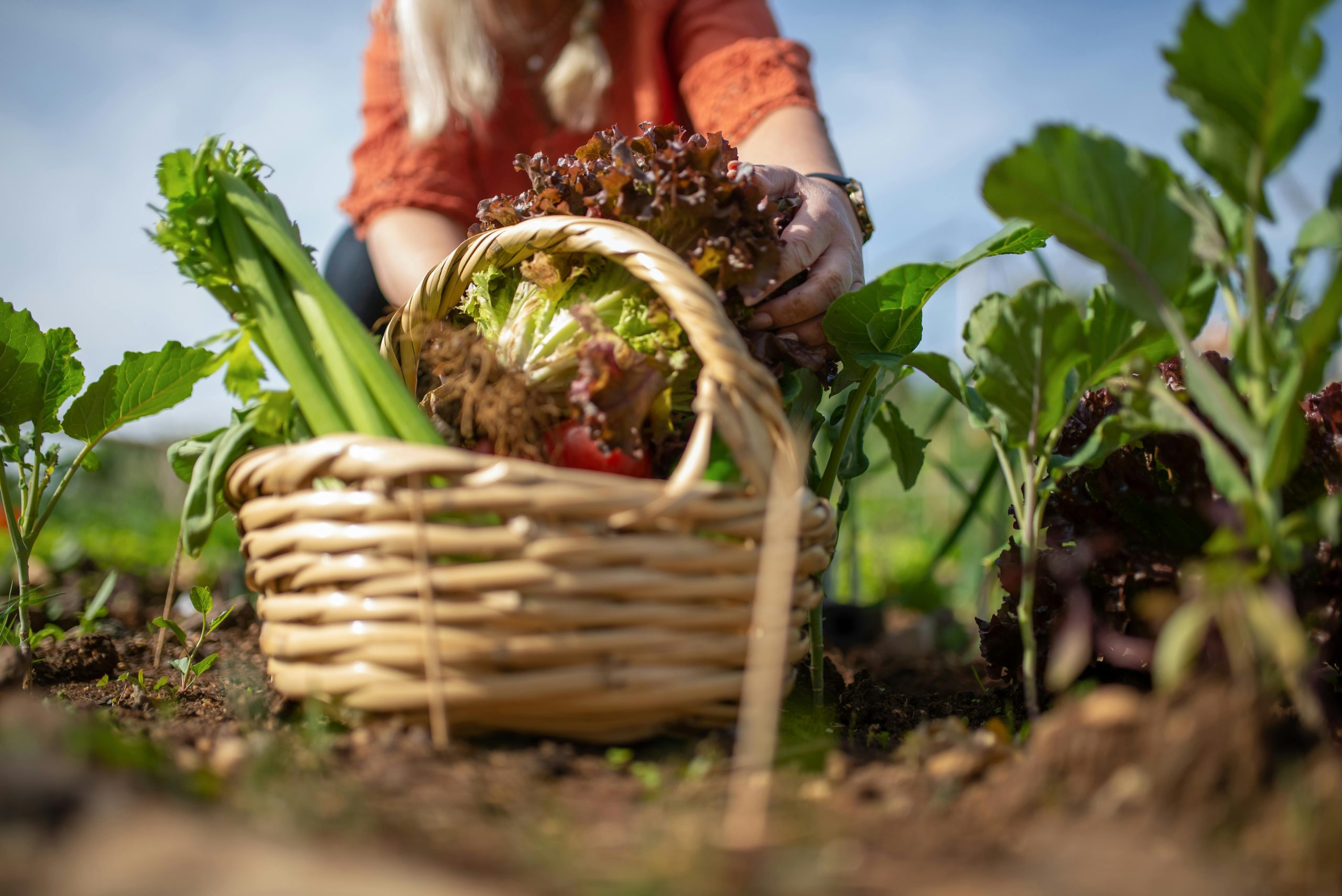
    Farmers markets have become increasingly popular in recent years, and for good reason. Not only do they offer a unique and charming shopping experience, but they also provide an excellent opportunity to source the freshest and most flavorful ingredients for your meals. With the rise of the farm-to-table movement and the growing demand for locally grown produce, farmers markets have become the go-to destination for foodies and health-conscious consumers alike. However, to truly take advantage of all that a farmers market has to offer, there are a few key tips and tricks to keep in mind. In this article, we’ll explore how to source the freshest ingredients at farmers markets so that you can make the most of your shopping experience.

    Know Your Seasons

    First and foremost, it’s important to understand the seasonal nature of farmers markets. Unlike supermarkets where you can find most produce year-round, farmers markets offer only what’s currently in season for your region. This means that you’ll need to be aware of which fruits and vegetables are in season at the time of your visit in order to make the most informed buying decisions.

    Not sure what’s in season in your area? A quick internet search or chat with one of the vendors at the market can help you determine what’s fresh and at its peak during your shopping trip.

    Get There Early

    The early bird catches the worm, and the same goes for farmers markets. It’s best to arrive early, as close to opening time as possible, in order to secure the best pick of the produce. Not only will this guarantee you the freshest ingredients, but you’ll also have first dibs on any limited or specialty items that may sell out quickly.

    Plus, arriving early allows you to beat the crowds and have a more relaxed and enjoyable shopping experience. You can take your time browsing, asking questions, and chatting with the vendors without feeling rushed or overwhelmed.

    Look for Seasonal Specials

    In addition to the usual lineup of fruits and vegetables, farmers markets often offer unique and seasonal specials that you won’t find in your supermarket. This could include items like heirloom tomatoes, exotic mushrooms, or specialty herbs. These specials are typically only available for a short period of time, so be sure to keep an eye out for them and take advantage while you can.

    Ask Questions

    One of the most significant advantages of shopping at a farmers market is the opportunity to engage directly with the growers and producers. Don’t be afraid to strike up a conversation and ask questions about the produce and products being offered. Not only does this show genuine interest and support for the vendors, but you’ll also gain valuable insight and knowledge about the food you’re buying.

    Ask about growing techniques, pest control, and any other methods the vendor uses to produce their goods. You can also inquire about where the produce comes from, how it was harvested, and if there are any additives or chemicals used in the process. This will ensure that you’re getting the freshest and most natural ingredients possible.

    Bring Your Own Bags

    Help reduce waste and support the environment by bringing your own reusable bags to the farmers market. Many vendors will have plastic bags available, but these are often not as sturdy and can lead to squashed or damaged produce on your way home. By bringing your own bags, you can ensure that your ingredients make it home safely and without excess plastic waste.

    Inspect Before Buying

    Don’t be afraid to inspect your produce before making a purchase. Look for signs of spoilage, insects, or wilting. Keep an eye out for any bruises or blemishes that could affect the quality of the ingredients. Remember, just because it’s local and fresh doesn’t mean it’s necessarily perfect. It’s always better to catch any potential issues before you buy, rather than being disappointed once you get home.

    Be Open to Trying New Things

    Finally, don’t be afraid to step out of your comfort zone and try new things at the farmers market. These markets often offer a wide variety of produce and products that you may not see in your local grocery store. Take this opportunity to experiment with new flavors, recipes, and cooking techniques. You may just discover a new favorite ingredient or dish.

    In conclusion, sourcing the freshest ingredients at farmers markets is all about timing, communication, and being open to new experiences. By following these tips, you can ensure that you’re getting the best and most flavorful ingredients to elevate your cooking and support your local community. Happy shopping!

  • Effortless One Pot Meals For Busy Weeknight Dinners

    Effortless One Pot Meals For Busy Weeknight Dinners

    As busy weeknights become the norm for many households, the need for quick and easy dinner solutions has become more prevalent than ever. With most individuals juggling work, family, and other responsibilities, the last thing anyone wants is to spend hours in the kitchen preparing a meal. That’s where one pot meals come in – a trendy and effortless way to cook a delicious and satisfying dinner with minimal cleanup. In this article, we will dive into the world of one pot meals, and specifically focus on effortless ones that are perfect for busy weeknight dinners.

    What Are One Pot Meals?

    One pot meals, also known as one pan meals or skillet meals, are dishes that are cooked using only one pot or pan. They typically involve combining all ingredients into the same vessel and cooking them together, eliminating the need for multiple pots and pans. One pot meals have been around for centuries, with classic dishes like paella, stews, and casseroles being prime examples. However, with the rise of busy lifestyles, the demand for one pot meals has spiked, leading to a variety of creative and effortless recipes to choose from.

    The Advantages of One Pot Meals

    One pot meals not only save time and effort, but they also come with a range of other advantages that make them the ideal solution for busy weeknight dinners. Let’s take a closer look:

    1. Minimal Clean Up

    With traditional cooking methods, the aftermath of dinner typically involves a sink full of dirty dishes. With one pot meals, on the other hand, you can enjoy a delicious dinner with minimal cleanup. Since you’re using only one pot or pan, there’s less mess to deal with, making it a great option for busy weeknights when you’re short on time and energy.

    2. Versatile and Customizable

    One pot meals are incredibly versatile, allowing you to mix and match ingredients to create new and exciting dishes. You can use a variety of proteins, vegetables, and grains to make different combinations, and the possibilities are endless. This makes it easy to cater to different dietary restrictions and preferences, ensuring everyone at the dinner table is satisfied.

    3. Efficient and Convenient

    One pot meals are designed to be cooked in one vessel, making them an efficient way to prepare dinner. There’s no need to keep an eye on multiple pots and pans, and you can use the cooking time to do other tasks, such as setting the table or catching up on work. This makes it a convenient option for busy individuals who are always on the go.

    4. Budget-Friendly

    Another advantage of one pot meals is that they’re budget-friendly. Since they use fewer ingredients and require less cooking time, the overall cost is lower compared to traditional meals. You can also use leftovers to create different variations of the dish, stretching your budget even further.

    Effortless One Pot Meals for Busy Weeknight Dinners

    Now that we’ve explored the benefits of one pot meals, let’s dive into some effortless recipes that are perfect for busy weeknight dinners. These dishes are not only easy to prepare, but they’re also packed with flavor and require minimal cleanup.

    1. One Pot Lemon Herb Chicken and Rice

    This one pot meal is a flavor-packed dish that only takes 30 minutes to make. You’ll need chicken breasts, rice, chicken broth, lemon juice, and a variety of herb and spices. Simply add everything to a large pot and let it cook until the rice is tender and the chicken is cooked through. Serve with a side of vegetables for a complete meal.

    2. One Pan Baked Ziti

    This one pan baked ziti is the perfect comfort food for a busy weeknight. You’ll need ground beef, ziti pasta, tomato sauce, and a variety of cheeses. Simply layer everything in a skillet and bake in the oven for 20 minutes. This dish can also be made ahead of time and reheated for an even quicker dinner option.

    3. One Pot Beef and Broccoli Stir-Fry

    This one pot beef and broccoli stir-fry is a quick and healthy option for a busy weeknight dinner. You’ll need beef, broccoli, garlic, soy sauce, and brown rice. Simply stir-fry everything in a large pot and serve over cooked rice for a delicious and effortless meal.

    4. One Pan Lemon Garlic Butter Chicken and Mushrooms

    This one pan lemon garlic butter chicken and mushrooms is an elevated yet simple dinner option for busy weeknights. You’ll need chicken thighs, mushrooms, garlic, lemon juice, chicken broth, and butter. Simply sear the chicken and mushrooms in a large pan, add the remaining ingredients, and let it simmer until the chicken is cooked through. Serve with a side of your choice for a satisfying meal.

    5. One Pot Vegetable Curry

    This one pot vegetable curry is a great choice for vegans and vegetarians. You’ll need a variety of vegetables, coconut milk, and curry paste, along with rice or naan for serving. Simply add everything to a pot and cook until the vegetables are tender. The vibrant colors and flavors of this dish will pleasantly surprise your taste buds.

    In Conclusion

    There you have it – a variety of effortless one pot meals for busy weeknight dinners. These dishes not only save time and effort, but they’re also budget-friendly and versatile, making them a go-to option for busy individuals and families. Whether you’re craving a comforting baked dish or a healthy stir-fry, there’s a one pot meal out there for you. So next time you’re short on time and energy, give one of these recipes a try and enjoy a delicious dinner without the fuss.

  • The Cultural History Of Sourdough Starters Across The World

    The Cultural History Of Sourdough Starters Across The World

    Sourdough bread has become increasingly popular in recent years and is often touted as the healthier choice when it comes to bread. But beyond its nutritional benefits, sourdough bread also carries a rich cultural history that spans across the globe. From its humble origins to its resurgence in the modern food scene, sourdough starters have played a significant role in many cultures, each with their own unique traditions and recipes. In this article, we’ll take a journey through the cultural history of sourdough starters and discover how this seemingly simple ingredient has made its mark on different societies throughout the world.

    The Origins of Sourdough Starters

    The exact origins of sourdough starters are a mystery, with different sources attributing it to different cultures. Some believe that the ancient Egyptians were the first to use a starter in their bread-making process, while others credit the Babylonians or the Ancient Greeks. However, it is generally agreed that sourdough bread was first made with wild yeast cultures and naturally fermented dough, long before commercial yeast became widely available.

    One of the earliest documented records of sourdough bread dates back to ancient Greece, where the philosopher Pythagoras mentioned its use in his writings. It’s also said that the Romans carried sourdough bread with them as they conquered new territories, spreading their knowledge of bread-making along the way.

    The Evolution of Sourdough Starters

    As sourdough starters traveled across the world, they evolved to reflect the unique tastes and preferences of different cultures. In Russia, for example, sourdough starters are known as “zhiznevka” and are traditionally made with fermented cherries or apples. The addition of fruit creates a slightly sweet and tart tang to the bread, which is a staple in Russian cuisine.

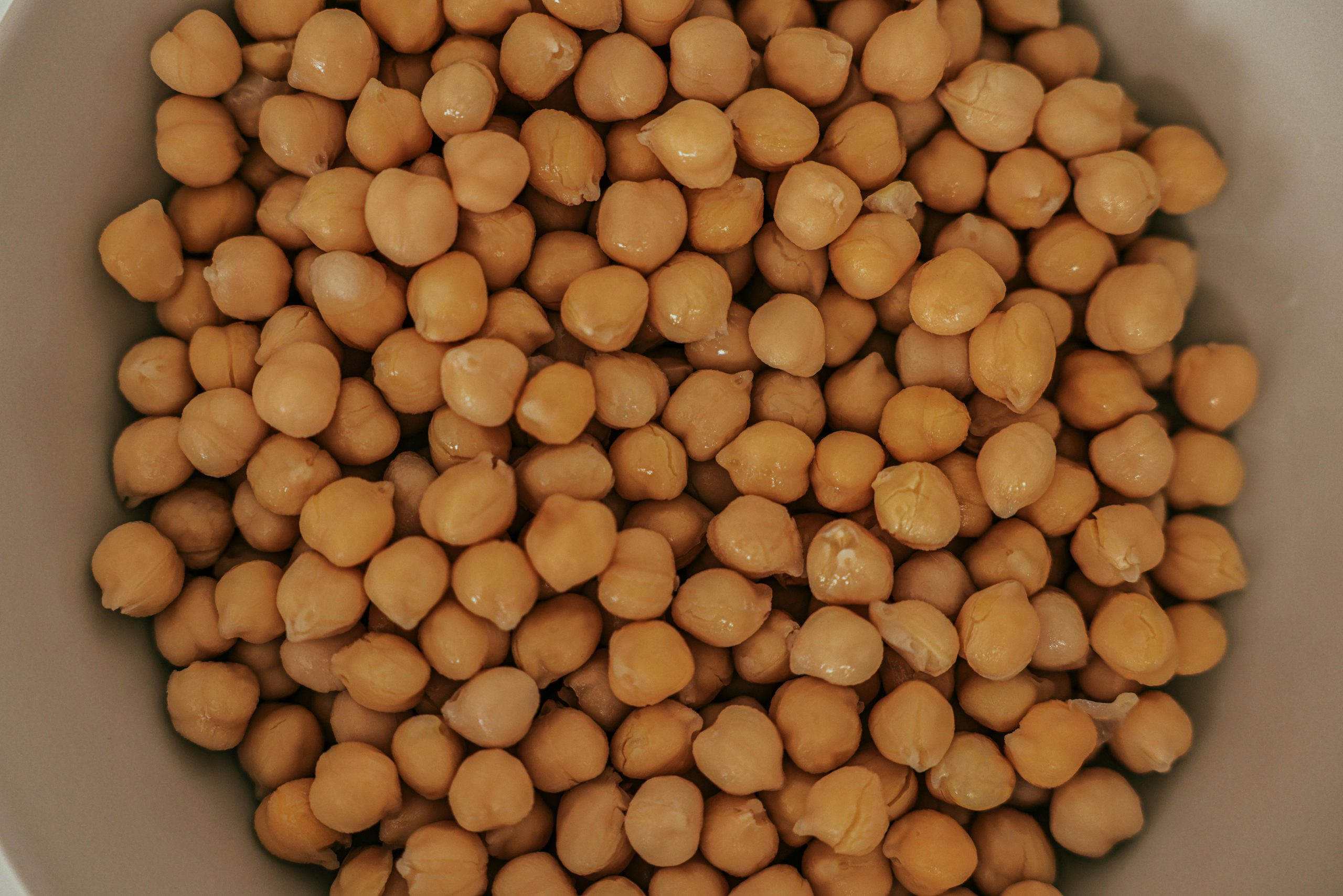
    In the Middle East, a sourdough starter known as “sham” is made with fermented chickpeas and is used to make flatbreads like pita and lavash. This method of using fermented legumes in bread-making can also be found in Indian and Ethiopian cuisines.

    In North America, a sourdough starter was a vital component of the California Gold Rush, with miners using it to make bread during their journeys. This explains why sourdough bread is often referred to as “San Francisco-style” bread in the United States.

    The Role of Sourdough Starters in Different Cultures

    Sourdough starters not only played a crucial role in bread-making but also had cultural significance in many societies. In Ireland, for example, sourdough bread was a symbol of hospitality and was often baked for special occasions. It was also a way for families to pass down recipes and traditions from one generation to the next.

    In Eastern Europe, sourdough starters were believed to have mystical powers and were often used in special ceremonies and rituals. The starter itself was treated with respect and was considered a valuable family heirloom, passed down to future generations as a treasured symbol of culture and tradition.

    The Resurgence of Sourdough Starters

    While commercial yeast and modern baking techniques largely replaced sourdough starters in the 20th century, there has been a recent resurgence in their use. With the rise of the artisanal food movement and a renewed interest in traditional baking methods, sourdough starters have made a comeback in many parts of the world.

    Professional bakers and home cooks alike are now experimenting with different types of sourdough starters and incorporating them into their recipes. This has led to a revival of traditional bread-making methods and a renewed appreciation for the cultural history and significance of sourdough starters.

    In Conclusion

    The cultural history of sourdough starters may have started thousands of years ago, but its impact can still be felt in today’s food landscape. Beyond being a simple ingredient in bread-making, sourdough starters have been a part of diverse cultures, carrying traditions and stories from one generation to the next. So the next time you enjoy a slice of sourdough bread, take a moment to appreciate the rich cultural history that comes with it.

  • How To Sharp Your Knives Like A Professional Chef

    How To Sharp Your Knives Like A Professional Chef

    If you want to cook like a professional chef, one of the most important skills you need to master is how to sharp your knives. A dull knife can ruin your dishes and make your cooking process more frustrating. On the other hand, a sharp knife not only makes cooking easier, but it also ensures your food is cooked evenly and looks more appetizing. In this article, we will share with you some tips and tricks on how to sharp your knives like a professional chef and take your cooking skills to the next level.

    Why Sharp Knives Are Essential for Cooking

    Before we dive into the techniques, let’s first understand why sharp knives are essential for cooking. The main reason is that a sharp knife will glide through your ingredients with ease, saving you time and effort. With a dull knife, you need to apply more force, which can lead to accidents and injuries. Moreover, a sharp knife ensures that your cuts are clean and precise, resulting in a more professional-looking dish.

    Choosing the Right Sharpening Tools

    The first step towards sharpening your knives like a professional chef is to have the right tools. While there are various methods and tools for sharpening knives, we recommend using either a whetstone or a honing steel. A whetstone is a flat stone used to sharpen and polish the blade, while a honing steel is a rod that is used to straighten and align the blade. Both are easily available in most kitchen supply stores.

    Whetstone Sharpening

    If you are using a whetstone, the first thing you need to do is soak the stone in water for about 10-15 minutes before using it. This will prevent the stone from getting damaged and will also help in lubricating the blade during the sharpening process. Once the stone is ready, hold the knife at a 20-degree angle and slide it back and forth on the stone in a circular motion. Repeat this process on both sides of the blade until you achieve the desired sharpness.

    Honing Steel Sharpening

    If you are using a honing steel, start by holding the knife at a 20-degree angle against the steel. Slowly draw the knife down the steel, starting from the heel to the tip of the blade. Repeat this process on both sides of the blade, applying light pressure and making sure to maintain a consistent angle. The key here is to hone your knives regularly, as this helps to maintain the sharpness and prolong the life of your knives.

    Additional Tips for Sharpening Knives

    Aside from using the right sharpening tools, there are a few other tips and tricks that professional chefs use to sharpen their knives:

    Sharpen After Every Use

    To prevent your knives from becoming dull, make it a habit to sharpen them after every use. This will not only ensure that your knives stay sharp, but it will also prevent any accidents while cooking.

    Use Proper Technique

    The technique used for sharpening your knives is crucial. As mentioned earlier, maintaining a consistent angle is vital for achieving a sharp edge. Additionally, using light pressure and making sure to sharpen both sides of the blade will result in a more even sharpness.

    Strop Your Knife

    Stropping is the process of polishing the blade after sharpening. This helps to remove any burrs or rough edges and gives your knife a smooth and sharp finish. You can either use a leather strop or a piece of cardboard for this process.

    Store Your Knives Properly

    How you store your knives can also affect their sharpness. We recommend storing them in a knife block or a knife roll to prevent them from banging against other utensils. Also, make sure to clean and dry your knives before storing them to avoid rusting and dulling the blade.

    Practice, Practice, Practice

    Becoming proficient at sharpening your knives takes practice. Don’t be discouraged if you don’t get it right the first time. Keep practicing, and you will soon find a technique that works best for you.

    Conclusion

    In conclusion, sharp knives are essential for anyone who wants to cook like a professional chef. A dull knife can ruin your dishes and make your cooking process more frustrating. By using the right sharpening tools and techniques, you can ensure that your knives stay sharp and make your cooking experience more enjoyable. Remember to sharpen your knives after every use, use proper techniques, and store them properly for best results. With these tips, you’ll be sharpening your knives like a pro in no time.

  • Secrets To Making The Creamiest Homemade Vegetable Soups

    Secrets To Making The Creamiest Homemade Vegetable Soups

    Vegetable soup is a staple in many homes around the world. Not only is it a delicious and comforting meal, but it is also a great way to pack in a variety of healthy vegetables in one dish. While most of us have a go-to vegetable soup recipe, there is always room for improvement. One of the secrets to taking your homemade vegetable soups to the next level is making them creamy. Who doesn’t love a creamy and indulgent soup? In this article, we will discuss some tried and tested secrets to making the creamiest homemade vegetable soups.

    Choose the Right Vegetables

    When it comes to creamy vegetable soups, the choice of vegetables plays a crucial role. Some vegetables have a higher water content, which can result in a watery and thin soup. To achieve a creamy consistency, it is best to use vegetables that are known for their creamy texture. Winter squashes, such as butternut squash and pumpkin, are excellent options. Root vegetables like potatoes and sweet potatoes also add a creamy element to the soup. Adding a small amount of starchy vegetables can also help thicken the soup, such as corn, beans, and lentils.

    Don’t Skimp on the Dairy

    One of the easiest ways to make your vegetable soup creamy is by adding some dairy. Cream, milk, or cheese can all contribute to a rich and creamy consistency. You can add a splash of heavy cream or whole milk at the end of cooking to give the soup a luscious texture. For a healthier option, you can also use low-fat dairy or even substitute with nut milk. If you want to add some cheesy goodness to your soup, opt for a creamy and mild cheese like cheddar or gruyere.

    Get the Right Consistency

    The key to a creamy soup is having the right consistency. A thick and creamy soup will not only taste better, but it will also have a more satisfying mouthfeel. To achieve this, make sure to puree the cooked vegetables. You can use an immersion blender or transfer the soup to a blender to puree until smooth. If the soup is still too thin, you can add a starch slurry by mixing a little cornstarch or flour with cold water and adding it to the soup while heating. This will help thicken the soup and give it a velvety texture.

    Add Some Fat

    Fat is a key component in cooking, not just for flavor but also for texture. Adding some fat, in the form of oil or butter, to your vegetable soup can give it a creamy and rich mouthfeel. When sautéing your vegetables, use a generous amount of fat, and let them cook until they are soft and beginning to caramelize. This will not only enhance the flavor but also add a depth of creaminess to your soup. Just remember to use good quality fat, as it will greatly affect the taste of the soup.

    Experiment with Different Herbs and Spices

    While traditional vegetable soups may call for the usual suspects like thyme and oregano, don’t be afraid to experiment with different herbs and spices. Adding fresh herbs like basil or cilantro can provide a burst of flavor and add a refreshing touch to your soup. Spices like cumin, smoked paprika, and curry powder can also add a unique and delicious depth of flavor to your creamy vegetable soup. The key is to find a balance and not go overboard with too many flavors.

    Final Thoughts

    Making a creamy vegetable soup is a great way to elevate a simple and healthy dish to a whole new level. By following these secrets, you can create a velvety and indulgent soup that will please your taste buds and warm your soul. Remember to choose the right vegetables, add some dairy and fat, puree for the right consistency, and experiment with different herbs and spices. With these tips, you are well on your way to making the creamiest homemade vegetable soups that will be the star of any meal. Happy cooking!

  • Why Every Kitchen Needs A High Quality Food Processor

    Why Every Kitchen Needs A High Quality Food Processor

    If you love cooking, then you know that having the right tools in the kitchen is essential for creating delicious meals. One of the most versatile and useful tools that every kitchen should have is a high quality food processor. From chopping and pureeing to mixing and grinding, a food processor can handle a variety of kitchen tasks in a fraction of the time it would take to do them by hand. In this article, we’ll explore the benefits of owning a high quality food processor and why it’s a must-have for every kitchen.

    The Versatility of a Food Processor

    One of the main reasons why every kitchen needs a high quality food processor is its versatility. This kitchen appliance is designed to perform a variety of tasks, making it a valuable asset for any cook. Whether you’re a seasoned chef or a home cook, a food processor can make your life in the kitchen much easier.

    Chopping and Pureeing Made Easy

    One of the most common tasks in the kitchen is chopping vegetables and fruits. With a food processor, this task becomes effortless and quick. No more tears from chopping onions, no more manually dicing carrots, and no more sore wrists from chopping herbs. A food processor can handle all of these tasks with ease, thanks to its sharp blades and powerful motor.

    In addition to chopping, a food processor can also puree fruits and vegetables. This is especially useful for making sauces, dips, and even baby food. Simply add the ingredients to the food processor, and within seconds, you’ll have a smooth and creamy puree.

    Mixing and Grinding Efficiency

    A food processor is also an excellent tool for mixing and grinding ingredients. Whether you’re making dough for bread or grinding nuts for homemade nut butter, a food processor can handle the task with ease. Its powerful motor and sharp blades can quickly mix and grind even the toughest ingredients, making it a valuable tool for baking and cooking.

    Save Time and Energy

    Another reason why every kitchen needs a high quality food processor is because it can save you time and energy in the kitchen. Traditionally, chopping, mixing, and grinding ingredients would require a lot of manual labor, which can be exhausting. With a food processor, all of these tasks can be done in a fraction of the time it would take to do them by hand.

    For example, chopping a large batch of vegetables for a soup or stir-fry can take up a significant amount of time. With a food processor, you can chop the vegetables in a matter of seconds, leaving you with more time to focus on other aspects of the recipe. This not only saves time, but it also helps to streamline the cooking process, making it more efficient and enjoyable.

    Healthy Eating Made Easy

    A high quality food processor can also help you to maintain a healthy diet. With its ability to puree fruits and vegetables, you can easily create healthy and delicious smoothies, soups, and dips. You can also make your own nut butters, which are a great source of protein and healthy fats. By having a food processor in your kitchen, you can easily incorporate more fruits, vegetables, and healthy ingredients into your meals.

    Choose a Quality Food Processor

    When it comes to purchasing a food processor, it’s essential to invest in a high quality one. While there are many options available, choosing one with a powerful motor and sharp blades will ensure that it can handle a variety of tasks and last for years to come. Don’t be tempted to go for the cheapest option, as you may end up with a processor that is not powerful enough and will need to be replaced sooner rather than later.

    Caring for Your Food Processor

    To ensure that your food processor stays in good condition, make sure to read the manual and follow the cleaning and maintenance instructions. Generally, food processors are simple to clean and maintain. Make sure to unplug it before cleaning, and never put the base of the processor or the motor in water. Always handle the blades with care and make sure they are dry before storing to avoid rusting.

    In Conclusion

    In summary, every kitchen needs a high quality food processor. Its versatility, time-saving capabilities, and ability to promote healthy eating make it an essential tool for any cook. By investing in a quality food processor and taking proper care of it, you can enjoy the convenience and efficiency it brings to your cooking routine. Say goodbye to tedious and time-consuming kitchen tasks and hello to a seamless and enjoyable cooking experience with a high quality food processor by your side.

  • The Best Coffee Brewing Methods For An Absolute Beginner

    The Best Coffee Brewing Methods For An Absolute Beginner

    Are you new to the world of coffee brewing and feeling overwhelmed by all the different methods available? Look no further, as we have compiled a comprehensive guide on the best coffee brewing methods for an absolute beginner. Whether you prefer a bold cup of black coffee or a frothy latte, we have you covered. Read on to discover which method suits your taste buds and level of expertise.

    The French Press Method

    The French press method, also known as the cafetière or press pot, is one of the most popular and easiest ways to brew coffee. This method involves steeping coarsely ground coffee in hot water for a few minutes and then pressing down a plunger to separate the grounds from the liquid. The result is a full-bodied and flavorful cup of coffee that retains the natural oils and aromas of the beans. It’s an excellent choice for beginners as it requires minimal equipment and allows for experimentation with different brewing times and grind sizes.

    How to brew with a French press:

    – Boil water and let it cool for a minute or two before pouring it into the French press

    – Add coarsely ground coffee (one tablespoon per four ounces of water) to the press

    – Pour hot water over the grounds, ensuring that all the coffee is saturated

    – Stir gently with a spoon and let it steep for four minutes

    – Press down on the plunger slowly and steadily to separate the grounds from the liquid

    – Pour the coffee into your mug and enjoy!

    The Pour Over Method

    The pour over method, also known as filter coffee, involves manually pouring hot water over coffee grounds placed in a filter. This allows for full control over the brewing process, resulting in a clean and crisp cup of coffee. It’s slightly more complex than the French press method, but with a little practice, you’ll master the technique in no time. The pour over method is also perfect for single servings as it requires a pour over dripper, filter papers, and a gooseneck kettle.

    How to brew with a pour over:

    – Place the coffee filter in the dripper and rinse it with hot water to avoid a papery taste

    – Add finely ground coffee (one tablespoon per four ounces of water) to the filter

    – Start pouring hot water (just off the boil) over the grounds in a circular motion, starting from the center and moving outward

    – Continue pouring slowly until all the coffee is saturated and let it drip for a minute

    – Pour the remaining water in two to three batches, pausing in between to let it drip

    – Once all the water has dripped through, remove the filter and serve your coffee

    The AeroPress Method

    The AeroPress method is a relatively new and innovative way of brewing coffee that combines the immersion method (like the French press) with pressure (like an espresso machine). It’s compact, lightweight, and perfect for brewing both regular coffee and espresso-style shots. It’s also straightforward to use and requires minimal cleanup, making it an excellent choice for busy beginners. The result is a smooth and rich cup of coffee that can be enjoyed hot or used as a base for iced coffee or other coffee beverages.

    How to brew with an AeroPress:

    – Boil water and let it cool for a minute or two before pouring it into the AeroPress

    – Add a paper filter to the plastic filter cap and wet it with hot water

    – Place the AeroPress on top of your mug and add finely ground coffee (one scoop or two tablespoons) to the chamber

    – Slowly pour hot water over the coffee and stir gently with the included stirrer for ten seconds

    – Insert the plunger and press down slowly, applying steady pressure until you hear a hissing sound

    – Serve your coffee and add water if desired to dilute it

    The Instant Coffee Method

    For those looking for a quick and straightforward coffee fix, instant coffee is the way to go. It’s made from dried and freeze-dried coffee, making it easy to prepare and convenient to store. It’s also affordable and comes in a variety of flavors and blends. While it may not be as flavorful as freshly brewed coffee, it’s an excellent option for beginners or those on the go.

    How to make instant coffee:

    – Boil water and let it cool for a minute or two before pouring it into your mug

    – Add one teaspoon of instant coffee granules to the mug

    – Pour hot water over the coffee and stir until it dissolves completely

    – Add milk, creamer, or any other desired additions to taste

    In Conclusion

    As an absolute beginner, experimenting with different coffee brewing methods is essential to find your perfect cup. Each method has its unique characteristics and requires different equipment and techniques. We recommend starting with the French press or instant coffee method and gradually working your way up to more advanced methods like the pour over and AeroPress. Remember to use freshly roasted and high-quality coffee beans for the best results, and don’t be afraid to customize your cup to suit your taste buds. Happy brewing!

  • Discovering The Bold World Of Fermented Hot Sauces Today

    Discovering The Bold World Of Fermented Hot Sauces Today

    Are you a lover of all things spicy? Do you enjoy adding a kick to your meals with a dash of hot sauce? If so, then you’re in for a treat! Today, we’re going on a journey exploring the bold world of fermented hot sauces. From the traditional Tabasco to the trendy sriracha, fermented hot sauces have a special place in the hearts (and stomachs) of spicy food enthusiasts. But what exactly sets these sauces apart from their non-fermented counterparts? And why should we be paying more attention to them? Let’s dive in and discover the fiery world of fermented hot sauces today.

    The Art of Fermentation

    In simple terms, fermentation is a process where microorganisms such as bacteria, yeasts, and molds break down sugars and convert them into acids, gases, or alcohols. This process is commonly used in the production of foods and beverages like yogurt, cheese, wine, and yes, hot sauce. In the case of hot sauces, fermentation is used to create a complex and rich flavor, as well as to preserve the sauce for a longer period of time.

    Why Choose Fermented Hot Sauces?

    You might be wondering, why choose fermented hot sauces over the regular ones? Well, for starters, fermenting the peppers and other ingredients not only gives the hot sauce a tangy and unique flavor, but it also makes it easier for our bodies to digest. These sauces are also rich in healthy probiotics, which promote good gut health. Moreover, fermented hot sauces are all-natural and do not contain any artificial preservatives or additives, making them a healthier choice for those looking to spice up their meals.

    Unlocking Bold Flavors

    Fermentation is a slow process that can take anywhere from a few days to several months, depending on the recipe. During this time, the peppers and spices used in the hot sauce release bold and complex flavors that are not found in non-fermented hot sauces. Many fermented hot sauces also use a variety of peppers, such as habaneros, jalapenos, and cayennes, which adds depth and complexity to the flavor profile.

    Exploring Different Styles

    The world of fermented hot sauces is diverse, with each region having its own unique style and flavor profile. For instance, Tabasco, the famous hot sauce from Louisiana, is aged in white oak barrels for three years, giving it a tangy and smoky flavor. On the other hand, the popular sriracha sauce from Thailand is made using fermented red chili peppers, sugar, garlic, and vinegar, resulting in a sweet and spicy sauce that’s perfect for dipping or drizzling on top of noodle dishes.

    Making Your Own Fermented Hot Sauce

    If you’re feeling adventurous, why not try making your own fermented hot sauce at home? All you need is a blend of hot peppers, sugar, salt, garlic, and water. Mix everything together and let it ferment for a few days, giving it a shake or stir every day. Once the peppers have broken down, blend everything together and voila, your very own homemade fermented hot sauce!

    In Conclusion

    Fermented hot sauces offer a world of bold and complex flavors that are a must-try for spicy food lovers. With their health benefits and rich flavor profiles, these sauces are a great addition to any meal. So the next time you’re browsing the hot sauce section at the grocery store, don’t shy away from the fermentation section. Embrace the bold and fiery world of fermented hot sauces today and add some kick to your meals. Happy eating!

  • How To Calibrate Your Oven For Perfectly Even Baking

    How To Calibrate Your Oven For Perfectly Even Baking

    If you love to bake, you know that oven temperature is crucial to achieving perfectly even baking. A few degrees too high or too low can make all the difference in your cakes, cookies, and breads. But, did you know that ovens can become uncalibrated over time? This means that the temperature you set may not be the temperature inside your oven. The good news is, calibrating your oven is a simple and straightforward process that can be done at home. In this article, we will guide you through the steps to calibrate your oven for perfectly even baking, so you can avoid disappointing results and create delicious treats every time.

    Why Calibrating Your Oven is Important

    Many people may not realize the importance of calibrating their ovens. They assume that since they set the temperature, the oven will automatically heat to that exact temperature. However, this is not always the case. Ovens can become uncalibrated for various reasons, such as age, wear and tear, and even the type of food you cook. This means that the actual temperature inside your oven may be significantly different from what you set it to, resulting in uneven baking and potentially burnt or undercooked food. By regularly calibrating your oven, you can ensure that the temperature is accurate and consistent, giving you the best results for all your baking endeavors.

    Tools You Will Need

    To calibrate your oven, you will need the following tools:

    1. Oven Thermometer

    An oven thermometer is a must-have for any baker. This simple and affordable tool will help you measure the actual temperature inside your oven accurately. Most oven thermometers are placed inside the oven and have a probe that you can insert into your food to check its internal temperature. You can find oven thermometers at your local kitchen supply store or online.

    2. Screwdriver

    Most ovens have calibration screws located behind the temperature dial or on the oven’s back panel. To access these screws, you will need a screwdriver. Make sure you have the appropriate size and type for your specific oven model.

    Step-by-Step Guide to Calibrating Your Oven

    1. Preheat Your Oven

    The first step in calibrating your oven is to preheat it to 350 degrees Fahrenheit. This is the standard temperature used for most baking recipes.

    2. Check the Temperature

    Place the oven thermometer in the center of the middle rack and let it sit for about 15 minutes. The thermometer will give you an accurate reading of the oven’s temperature.

    3. Compare the Reading

    After 15 minutes, check the thermometer’s reading and compare it to the temperature you set. If the temperature on the thermometer is not the same as what you set, this means that your oven is uncalibrated.

    4. Adjust the Calibration Screws

    Now it’s time to adjust the calibration screws. As mentioned before, these screws are located behind the temperature dial or on the back of your oven. Use your screwdriver to turn the screws in the direction indicated in your oven’s manual. If your thermometer showed that your oven was 25 degrees too low, you would need to turn the screws to increase the temperature by 25 degrees.

    5. Recheck the Temperature

    After making the necessary adjustments, preheat your oven again and check the temperature using the thermometer. Repeat the process until the thermometer shows the same temperature as what you set on your oven.

    Additional Tips for Even Baking

    1. Use the Right Bakeware

    The type of bakeware you use can also affect your baking results. Dark-colored pans will absorb more heat and can cause your food to cook more quickly on the bottom. It is best to use shiny, light-colored pans to ensure even baking throughout your food.

    2. Don’t Overcrowd Your Oven

    When baking multiple items, make sure to leave enough space between them for proper air circulation. Overcrowding your oven can create hot spots and cause uneven baking.

    3. Rotate Your Pans

    If your oven has uneven heat distribution, you can also rotate your pans during the baking process to ensure even baking. This is especially helpful for larger items, such as cakes and casseroles.

    By regularly calibrating your oven, you can enjoy perfectly even baking every time. Remember to always check the temperature of your oven using an oven thermometer to ensure accurate results. With the right tools and techniques, you can take your baking to the next level and impress your friends and family with your delicious treats. So go ahead, calibrate your oven, and start baking with confidence!

  • The Ultimate Guide To Homemade Fermentation And Pickling

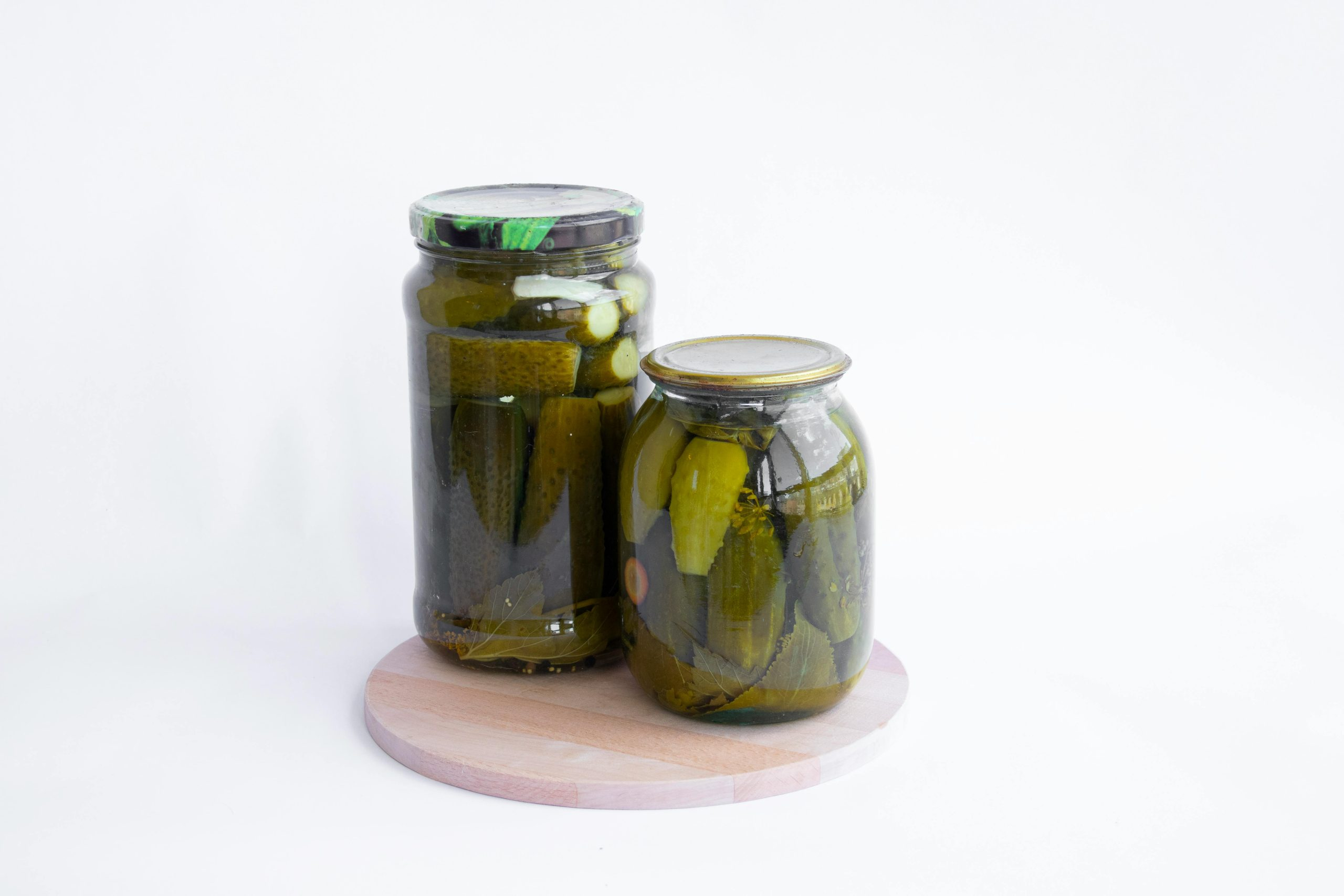
    The Ultimate Guide To Homemade Fermentation And Pickling

    Fermentation and pickling have been used for centuries as a way to preserve food and enhance its flavor. From sauerkraut to kimchi to pickles, these flavorful condiments have been enjoyed by cultures all over the world. But did you know that you can easily make these delicious treats at home? With the rise of DIY and home cooking, more and more people are turning to homemade fermentation and pickling. In this ultimate guide, we’ll take you through the basics of fermentation and pickling, the benefits of these ancient techniques, and how you can get started on your own homemade creations.

    The Basics of Fermentation

    So, what exactly is fermentation? In simple terms, fermentation is the process of converting carbohydrates into acids, gases, or alcohol using microorganisms, such as yeast or bacteria. This process creates an acidic environment, which not only preserves the food but also enhances its flavor and increases its nutritional value.

    The Different Types of Fermentation

    There are two main types of fermentation used in food preservation: lactic acid fermentation and alcohol fermentation. Lactic acid fermentation is the process used in making foods such as pickles, sauerkraut, and yogurt. This type of fermentation produces lactic acid, which gives these foods their tangy flavor.

    On the other hand, alcohol fermentation is the process used in making alcoholic beverages such as wine, beer, and cider. This process produces ethanol and carbon dioxide, giving these drinks their unique qualities.

    The Health Benefits of Fermented Foods

    Fermented foods have been a staple in many cultures for thousands of years, and for a good reason. They are not only delicious but also provide numerous health benefits. As the fermentation process breaks down the food, it becomes easier to digest, making it beneficial for people with digestive issues. Fermented foods also contain probiotics, which promote a healthy gut and boost the immune system. In addition, the increased nutritional value of fermented foods makes them a great addition to any diet.

    The Importance of Homemade Fermentation

    While you may be able to find fermented products in your local grocery store, making it at home has its own set of benefits. Firstly, you have full control over the ingredients used, making it easier to avoid any additives or preservatives. Furthermore, homemade fermented foods are fresher, tastier, and more beneficial for your health compared to store-bought options.

    The Art of Pickling

    Pickling is a method of preserving food by using an acidic solution, such as vinegar or lemon juice. This process not only prolongs the shelf life of the food but also gives it a unique tangy flavor that can enhance any dish.

    The Different Types of Pickling

    There are two main methods of pickling: quick pickling and lacto-fermentation. Quick pickling is the process of submerging vegetables or fruits in a vinegar-based solution for a short period of time. This method is great for making pickles, chutneys, and relishes. On the other hand, lacto-fermentation is a longer process that involves submerging the food in a salt-based solution and allowing it to ferment for a longer period. This method is used in making fermented foods like sauerkraut and kimchi.

    Getting Started with Homemade Fermentation and Pickling

    The best part about fermentation and pickling is that you do not need any fancy equipment or ingredients to get started. In fact, you can use everyday items found in your kitchen. Vegetables, fruits, and even dairy products can be fermented using the right ingredients and process.

    Basic Equipment Needed

    To start your fermentation and pickling journey, you will need a few basic equipment, such as glass jars with lids, a large bowl, a strainer, and a sharp knife. Make sure to clean and sanitize all equipment before starting the process.

    Choosing Ingredients

    The best part about homemade fermentation and pickling is that you can experiment with different ingredients according to your taste preference. From crunchy cucumbers to spicy jalapenos to tangy cabbage, the options are endless. Make sure to use fresh, organic ingredients for the best results.

    The Fermentation Process

    The process of fermentation and pickling is simple and involves the following steps:

    1. Prepare the vegetables or fruits by slicing or chopping them into bite-sized pieces.

    2. Place them in the glass jar and add any desired herbs, spices, or seasoning.

    3. Mix together the salt, water, and any other desired ingredients in the large bowl until the salt is dissolved to create the brine.

    4. Pour the brine over the vegetables in the jar, making sure they are completely submerged.

    5. Cover the jar with a lid, but do not seal it tightly. This allows for the release of any gases during the fermentation process.

    6. Store the jar in a cool, dark place for the desired fermentation time (usually 1-4 weeks).

    Enjoy Your Homemade Creations

    Once your vegetables or fruits are fully fermented, you can enjoy them as a snack, as a topping for salads or sandwiches, or even as a side dish. Fermented foods and pickles can also be canned and stored for a longer shelf life.

    In conclusion, homemade fermentation and pickling are not only a fun and creative way to preserve food, but also highly beneficial for your health. So, why not give it a try? With this ultimate guide, you’ll be on your way to creating delicious and nutritious homemade fermented foods in no time!

  • Why Induction Cooktops Are The Future Of Home Cooking

    Why Induction Cooktops Are The Future Of Home Cooking

    When it comes to cooking in our homes, there have been significant advancements and innovations in recent years. From traditional gas stoves to electric cooktops, these appliances have come a long way in terms of convenience and efficiency. However, there is one cooking technology that stands out above the rest for both its functionality and sustainability – induction cooktops. These sleek and modern cooktops are slowly gaining popularity and are already transforming the way we cook in our homes. In this article, we will delve into why induction cooktops are the future of home cooking.

    What is an Induction Cooktop?

    Before we dive into the reasons why induction cooktops are becoming the go-to choice for home cooking, let’s first understand what makes them unique. Unlike traditional gas or electric stoves that use radiant heat to cook food, induction cooktops use electromagnetic technology. This means that the cooktop only heats up once it comes into contact with a compatible cookware material. It does not generate heat on its own, making it more energy-efficient and safer to use.

    Efficiency at Its Best

    One of the primary reasons why induction cooktops are the future of home cooking is their unparalleled efficiency. As mentioned earlier, these cooktops only heat up when in contact with cookware, resulting in less wasted heat. This makes them faster and more energy-efficient than traditional stoves. In fact, studies have shown that induction cooktops use 84% of the energy they draw compared to 74% of electric stoves and a mere 40% of gas stoves.

    Fast and Precise Cooking

    Induction cooktops are also known for their speed and precision when it comes to cooking. As they heat up much faster than traditional stoves, you can expect your food to cook in a fraction of the time. This is perfect for those who are always on the go and need to whip up a quick meal. Additionally, induction cooktops offer precise temperature control, which is essential for certain dishes that require a specific cooking temperature.

    Safe and Easy to Clean

    Cooking in the kitchen can sometimes be a bit messy and result in spilled food or oil splatters. However, with induction cooktops, this is not a cause for concern. As the cooktop remains cool to the touch unless in contact with cookware, you won’t have to worry about getting burned. Additionally, since the surface is flat and made of glass, cleaning up is a breeze. No more scrubbing away at stubborn food stains or struggling to clean hard-to-reach areas.

    Environmentally Friendly

    In today’s world, where sustainability is vital, using an induction cooktop can significantly reduce your carbon footprint. As it is more energy-efficient, it consumes less electricity, resulting in lower greenhouse gas emissions. Additionally, by using induction cooktops, there is less combustion of natural gas, making it a more environmentally friendly option compared to gas stoves.

    The Bottom Line

    Induction cooktops are more than just a trendy kitchen appliance, and their rise in popularity is due to the several benefits they offer. From energy efficiency and speed to precision and safety, they have proven to be the future of home cooking. With advancements in technology, there is no doubt that induction cooktops will continue to evolve and revolutionize the way we cook at home. Investing in one will not only elevate your cooking experience, but it will also contribute to a greener and more sustainable future.

  • Mastering The Perfect Sear On A Professional Grade Steak

    Mastering The Perfect Sear On A Professional Grade Steak

    Welcome to the world of perfectly seared, professional-grade steak. If you’ve ever been to a top-notch restaurant, you know that the sear on a steak can elevate its flavor and texture to a whole new level. But, have you ever tried to replicate that perfect sear at home? It can seem intimidating, with endless tips and tricks floating around on the internet. Fear not, because in this article, we’ll break down the process of mastering the perfect sear on a professional grade steak, so you can impress your friends and family with your culinary skills.

    Understanding the Magic Behind a Perfect Sear

    First things first, let’s understand what exactly makes a perfect sear. It all boils down to one word – Maillard. It’s a chemical reaction that occurs when heat is applied to protein-rich foods, like steak. This reaction creates a golden brown crust on the surface of the steak, and as a result, releases a rich, meaty flavor that takes the steak to a whole new level. The key to a perfect sear is to achieve the Maillard reaction while not overcooking the steak.

    The Right Steak for the Perfect Sear

    Now that you know the science behind a perfect sear, let’s move on to the most crucial part – selecting the right cut of steak. When it comes to achieving a perfect sear, not all steaks are created equal. You need a steak with good marbling, which means it should have a good balance of fat and lean meat. This helps in the Maillard reaction and also keeps the steak juicy and tender. Some of the best steaks for a perfect sear include ribeye, New York strip, and filet mignon.

    Prepping the Steak for the Sear

    Before you put your steak on the heat, there are a few things you need to do to ensure the perfect sear. First, make sure your steak is at room temperature before cooking. This will allow for even cooking throughout the steak. Next, pat the steak dry with a paper towel and season it generously with salt and pepper. This not only enhances the flavor but also helps in achieving the perfect crust. You can also add in some herbs or spices to elevate the flavor profile of your steak.

    Choose the Right Cooking Method

    To achieve the perfect sear, you need to choose the right cooking method. The two most common methods are pan-searing and grilling. Both methods have their pros and cons, but the key is to have a really hot cooking surface. A cast-iron skillet or a grill pan works best for pan-searing, while a grill heated to high temperatures is ideal for grilling. Whichever method you choose, make sure to preheat the cooking surface for at least 10-15 minutes to get it nice and hot.

    Mastering the Sear

    Now that your steak is prepped and your cooking surface is hot, it’s time to put your steak on the heat. The most crucial part of achieving a perfect sear is to not move the steak around once it hits the cooking surface. Leave it undisturbed for 3-4 minutes, depending on the thickness of the steak. This will allow for the Maillard reaction to occur, creating that delicious crust. After 3-4 minutes, flip the steak and sear for an additional 3-4 minutes. Use a meat thermometer to check for the desired level of doneness – 120-130°F for rare, 130-140°F for medium-rare, and 140-150°F for medium.

    Resting and Serving the Perfectly Seared Steak

    Once your steak has reached the desired level of doneness, remove it from the heat and place it on a cutting board. Tent it loosely with aluminum foil and let it rest for 5-7 minutes. This allows the juices to redistribute and ensures a juicy and tender steak. After resting, slice your steak against the grain and serve immediately. Get your camera ready, because your perfectly seared steak will be Instagram worthy!

    Final Thoughts

    Mastering the perfect sear on a professional-grade steak may take some practice, but with these tips, you’ll be able to achieve a deliciously seared steak in no time. Don’t be afraid to experiment with different cuts of steak, cooking methods, and seasonings to find your perfect sear. And remember, a steak is only as good as its sear, so don’t skimp on this step. Happy searing!

  • Delicious Plant Based Alternatives For Classic Comfort Foods

    Delicious Plant Based Alternatives For Classic Comfort Foods

    Cravings for classic comfort foods are a common occurrence for many of us. The warm and familiar taste of our favorite childhood dishes can bring a sense of comfort and nostalgia. However, as more people are turning towards plant-based diets for health, ethical, and environmental reasons, the options for indulging in these classic dishes may seem limited. Fortunately, there are numerous plant-based alternatives that can satisfy those cravings without sacrificing flavor or nostalgia. In this article, we will explore delicious plant-based alternatives for classic comfort foods that will not only please your taste buds but also provide numerous health benefits.

    Plant-Based Meat Substitutes

    1. Tofu

    Tofu is a versatile and popular plant-based meat substitute. Made from soybeans, it is an excellent source of protein and is known for its ability to absorb flavors. When cooked properly, tofu can mimic the texture of meat, making it a suitable replacement in dishes such as stir-frys, tacos, and sandwiches. It is also a great source of calcium, iron, and essential amino acids.

    2. Tempeh

    Tempeh is another soy-based product that is gaining popularity as a meat substitute. It is made from fermented soybeans and has a firmer texture compared to tofu. Tempeh is a good source of protein, fiber, and probiotics, making it a healthier option. It also has a nutty and slightly sweet flavor, making it a delicious addition to dishes like burgers, chili, and stews.

    3. Seitan

    Seitan, also known as wheat gluten, is another popular plant-based meat substitute. Unlike tofu and tempeh, seitan is not soy-based and is instead made from wheat gluten. It has a chewy and meat-like texture, making it a popular choice in dishes like kebabs, stroganoff, and roasts. Seitan is a good source of protein and is also low in fat and carbohydrates, making it a healthier alternative to meat.

    Alternative Milk Options

    1. Oat Milk

    Oat milk has recently gained popularity as an alternative to dairy milk. It is made from oats, water, and sometimes a sweetener. It is a great option for those who are lactose intolerant or have dairy allergies. Oat milk has a creamy and slightly sweet taste, making it a perfect substitute in dishes such as smoothies, oatmeal, and pancakes. It is also low in fat and contains many essential vitamins and minerals.

    2. Almond Milk

    Almond milk is another popular alternative to dairy milk. It is made from ground almonds and water, and often has added vitamins and minerals. Almond milk has a nutty and slightly sweet flavor and is a great source of healthy fats and vitamins. It is a popular choice in coffee, cereal, and baked goods.

    3. Coconut Milk

    Coconut milk is a popular dairy-free alternative that is made from the flesh of mature coconuts. It is rich and creamy, making it a great substitute in dishes such as curries, soups, and sauces. Coconut milk is also a good source of healthy fats and can help improve digestion and boost the immune system.

    Plant-Based Cheese Alternatives

    1. Nut Cheese

    Nut cheese is a popular dairy-free cheese alternative that is made from blended nuts and often a probiotic starter culture. It is a great source of healthy fats, protein, and essential vitamins and minerals. Nut cheese has a similar texture to dairy cheese and can be used in dishes like pizza, pasta, and sandwiches.

    2. Tofu Ricotta

    Tofu ricotta is a vegan version of the traditional dairy cheese. It is made from crumbled tofu and blended with herbs and spices. Tofu ricotta is a great source of protein and can be used in dishes such as lasagna, stuffed shells, and dips. It also has a similar texture to dairy ricotta, making it a suitable replacement.

    3. Cashew Cream Cheese

    Cashew cream cheese is a delicious and creamy vegan cheese alternative made from blended cashews, lemon juice, and a probiotic starter culture. It is a great source of healthy fats and protein, and can be used in dishes like bagels, dips, and desserts. It has a similar tangy taste to traditional cream cheese, making it a perfect substitute.

    Final Thoughts

    Plant-based alternatives for classic comfort foods continue to gain popularity, and for a good reason. They provide numerous health benefits, are environmentally friendly, and still satisfy those cravings for our favorite dishes. With a little creativity and experimentation, you can easily incorporate these delicious plant-based alternatives into your diet and never feel like you are missing out on your favorite comfort foods ever again.

  • The Rise Of Smart Appliances In Modern Home Kitchens

    The Rise Of Smart Appliances In Modern Home Kitchens

    In the last decade, technology has significantly changed the way we live our lives. From smartphones to smart homes, we are constantly surrounded by innovative and advanced gadgets that make our daily tasks easier and more convenient. And when it comes to our kitchens, the heart of any home, the rise of smart appliances is taking the cooking and dining experience to a whole new level. No longer are our kitchen appliances just functional, but they are now becoming more intelligent, connected, and efficient. In this article, we will delve into the rise of smart appliances in modern home kitchens and how they are revolutionizing the way we cook, eat and live.

    The Evolution of Kitchen Appliances

    The concept of smart appliances isn’t entirely new. We have been using basic electronic appliances in our kitchens for decades. However, in recent years, with the advent of the Internet of Things (IoT) and artificial intelligence (AI), our humble kitchen appliances have evolved into something much more than just toasters and microwaves. In today’s modern homes, we can find a wide range of smart appliances, including refrigerators, ovens, coffee makers, and even dishwashers, that are equipped with cutting-edge technology and features that make our lives more convenient.

    Connectivity at its Best

    One of the key features of smart appliances is their connectivity. With the help of Wi-Fi and Bluetooth technology, these appliances can now be controlled and monitored through our smartphones or other devices. This means that we no longer have to physically be in front of our appliances to adjust settings or check their performance. For example, you can start preheating your oven on your way home from work, or receive notifications when your refrigerator needs restocking. This connectivity also allows for remote troubleshooting and software updates, making these appliances more efficient and long-lasting.

    Intelligence Meets Efficiency

    Gone are the days of blindly guessing cooking times and temperatures. Smart appliances come equipped with sensors and AI technology that can adjust cooking times and temperatures based on the type and amount of food being cooked. This not only results in perfectly cooked meals every time, but it also reduces energy usage, making these appliances more efficient and environmentally friendly. Additionally, some smart refrigerators have the ability to track food inventory, suggest recipes based on the ingredients you have, and even place grocery orders for you.

    Seamless Integration

    Another benefit of smart appliances is their ability to seamlessly integrate with other devices and services. For example, you can connect your smart refrigerator to your virtual assistant, such as Amazon’s Alexa or Google Home, and ask it to add items to your grocery list or adjust the thermostat in your home. This integration makes it easier to manage daily tasks and creates a more streamlined and personalized experience for users.

    The Future of Smart Appliances

    As technology continues to advance, the possibilities for smart appliances are endless. We can expect to see more sophisticated features like self-cleaning capabilities and advanced voice control, making cooking and cleaning tasks even more effortless. We may also see appliances that can adapt to our cooking habits and offer personalized recommendations for recipes and cooking techniques. The future of smart appliances looks very promising, and we can only imagine the convenience and efficiency they will bring to our homes.

    The Cost of Innovation

    With all these advanced features and capabilities, it’s no surprise that smart appliances come with a hefty price tag. However, as their popularity increases, we can expect to see a decrease in prices, making them more accessible to the masses. Moreover, the long-term energy and time-saving benefits of smart appliances make them a worthwhile investment for any modern home kitchen.

    In Conclusion

    The rise of smart appliances in modern home kitchens is nothing short of a technological revolution. These appliances are more than just machines that make our lives easier; they are transforming the way we live and interact with our homes. As we continue to embrace technology in all aspects of our lives, it’s safe to say that smart appliances are here to stay and will continue to evolve, making our kitchens smarter, more efficient, and more connected than ever before.

    References:

    1. “The Rise of Smart Appliances for Your Kitchen,” The Spruce Eats, https://www.thespruceeats.com/best-smart-kitchen-appliances-4799839

    2. “The 10 Most Innovative Smart Kitchen Appliances You Can Buy Today,” Forbes, https://www.forbes.com/sites/patrickhan /2019/07/10/the-10-most-innovative-smart-kitchen-appliances-you-can-buy-today/?sh=1b27d2e363eb

    3. “The Future of Smart Home Technology: Trends to Watch Out For,” Digital Trends, https://www.digitaltrends.com/home/the-future-of-smart-home-technology/

  • How To Host A Stress Free Dinner Party Successfully

    How To Host A Stress Free Dinner Party Successfully

    Welcome to the ultimate guide on how to host a stress-free dinner party successfully. Hosting a dinner party can be a daunting task, from planning the menu to making sure everything is perfect on the day. However, with the right preparations and tips, you can throw the perfect dinner party without any stress. In this article, we will share with you our top tips and tricks to help you host a successful dinner party without breaking a sweat. So let’s get started!

    Plan Ahead

    The key to hosting a stress-free dinner party is to plan ahead. Before sending out invitations, make a detailed list of the guests you would like to invite. Consider the number of people, dietary restrictions, and preferences. This will help you come up with a menu that accommodates everyone. Additionally, make sure you have enough cutlery, plates, and glasses for your guests. You don’t want to find yourself scrambling for extra plates and glasses on the day of the party.

    Keep It Simple

    When it comes to hosting a dinner party, less is more. Don’t feel pressured to have a 5-course meal with complicated recipes. Stick to a simple menu that you are comfortable cooking. This will not only save you time but also reduce the chances of any mishaps in the kitchen. You can also consider delegating some of the cooking tasks to your guests. They will appreciate the opportunity to be involved and it will relieve some of your stress.

    Pick Easy Recipes

    Choosing simple recipes will make your life easier when it comes to hosting a dinner party. Look for recipes that are quick and easy to make, but still delicious. You can also opt for make-ahead dishes that can be cooked or prepared in advance. This will give you more time to focus on other aspects of the party on the day.

    Prep in Advance

    Preparation is key when it comes to hosting a dinner party. The more you can do in advance, the better. Consider setting the table, decorating, and preparing any make-ahead dishes the day before. This will help you save time on the day and reduce any last-minute stress. You can also chop vegetables, prepare dips, and marinade meats a day before the party. This will allow you to relax on the day and not feel overwhelmed.

    Be a Good Host

    As the host, it’s important to make your guests feel welcome and comfortable. Greet them with a smile at the door and offer them a drink. Be attentive to their needs and make sure they are having a good time. This will not only create a warm and inviting atmosphere but also take your mind off any last-minute details.

    Focus on Presentation

    The presentation of your food and table adds to the overall ambiance of the dinner party. Take the time to plate your dishes nicely and add some decorative touches to the table. This will not only make the food more enticing but also impress your guests. You can add some fresh flowers, candles, or a table runner to elevate the mood. Remember, presentation is just as important as the taste of the food.

    Have a Backup Plan

    Despite all your planning, sometimes things can go wrong. And that’s okay. Have a backup plan in place in case something falls through. For example, if the main dish gets burnt, have a quick and easy backup recipe that you can whip up in no time. Or if the weather changes, have a plan B for where your guests can gather inside. This will help you stay calm and handle any unexpected situations without feeling stressed.

    Enjoy Yourself

    Finally, and most importantly, remember to have fun and enjoy yourself. Hosting a dinner party can be a lot of work, but it’s also a great time to spend with your loved ones. Don’t get too caught up in making everything perfect. Your guests are there to see you, not your perfect house or cooking skills. So relax, have a glass of wine, and enjoy the company of your friends and family.

    In Conclusion

    Hosting a stress-free dinner party successfully requires planning, preparation, and a positive attitude. Keep things simple, delegate, and have a backup plan in place. Remember, the most important thing is to spend quality time with your guests and enjoy yourself. With these tips in mind, you are sure to host a dinner party that everyone will remember. Happy hosting!

  • Understanding The Science Of Baking Better Bread At Home

    Understanding The Science Of Baking Better Bread At Home

    Bread is a staple food that has been a part of human diet for thousands of years. From the simple flatbreads of ancient civilizations to the complex sourdoughs of modern bakeries, bread has undergone countless transformations. But have you ever wondered what makes a loaf of bread rise and have that perfect texture and flavor? The answer lies in the science of baking. In this article, we will delve into the science of baking and how understanding it can help you make better bread at home. So get your apron on and let’s start baking!

    The Role of Flour

    Flour is the main ingredient in bread and is crucial to its structure and texture. Wheat flour, the most commonly used flour in bread, is composed of two proteins: glutenin and gliadin. When water is added to flour, these proteins combine to form gluten. Gluten is responsible for the elasticity and strength of bread dough, allowing it to rise and hold its shape.

    The Importance of Kneading

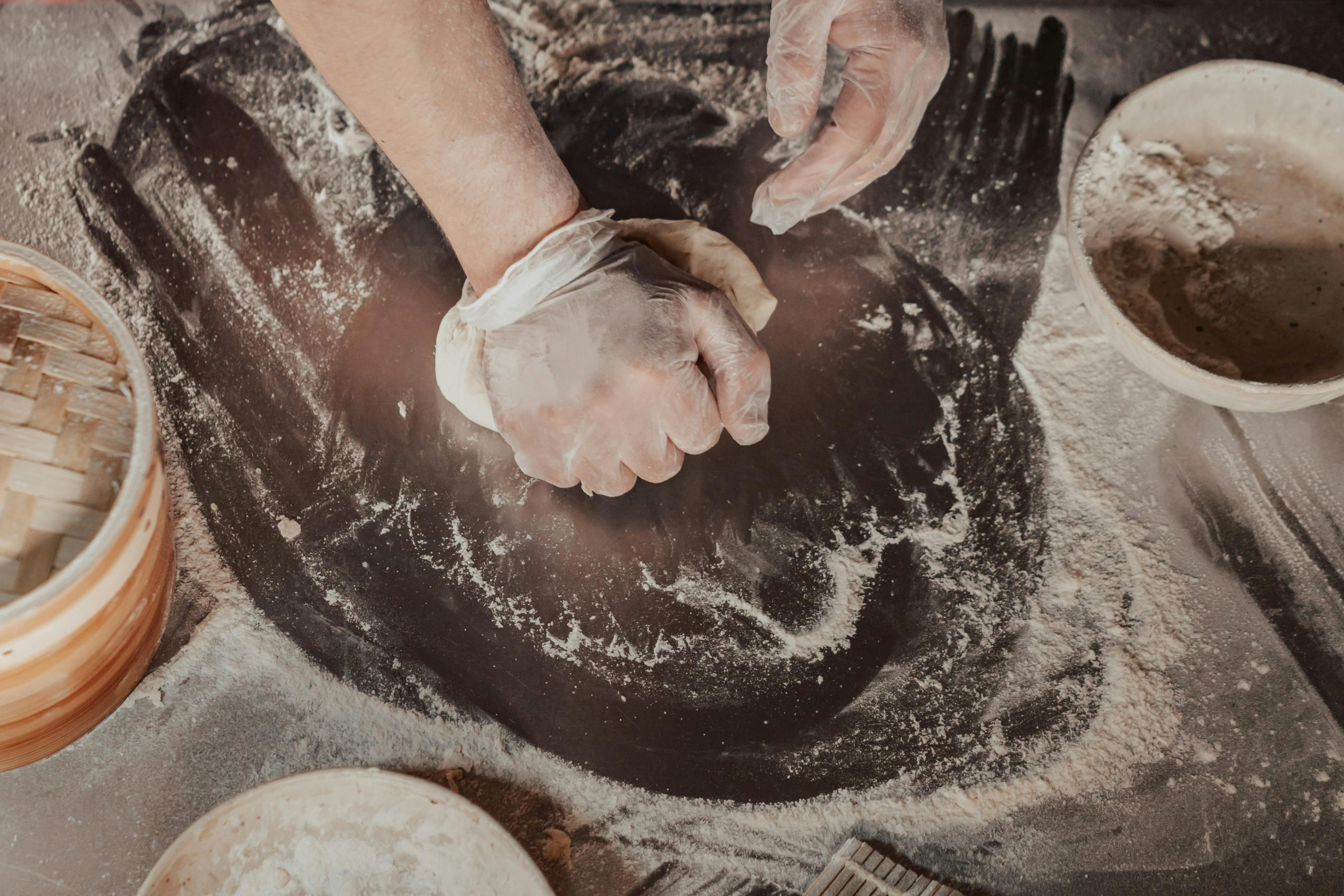
    Kneading is the process of working and stretching the dough to develop the gluten. This can be done by hand or with the help of a stand mixer. The more you knead the dough, the more gluten is developed. If the dough is not kneaded enough, the gluten will not be strong enough to hold the gas produced by yeast, resulting in a dense and flat loaf of bread.

    Yeast: The Magic Ingredient

    Yeast is a single-celled microorganism that is responsible for the rising of bread. It feeds on sugar, producing carbon dioxide gas which gets trapped in the gluten matrix of the dough, causing it to rise. There are different types of yeast available in the market, but the most commonly used for bread baking is instant yeast. It is important to use the correct amount of yeast as too little will result in an underdeveloped loaf of bread, and too much will make the bread rise too quickly and then collapse.

    Temperature and Timing

    The temperature at which you proof (allow the dough to rise) and bake the bread plays a crucial role in the final outcome. Yeast is most active at around 37°C, which is why most bread recipes call for lukewarm water or milk. The ideal temperature for proofing bread dough is between 27-32°C. If it’s too cold, the dough will not rise, and if it’s too warm, the yeast will become too active, resulting in over-proofed dough.

    The Importance of Oven Temperature

    When it comes to baking bread, the oven temperature is crucial. Preheating the oven is essential to ensure that the bread bakes evenly. The initial high heat causes the yeast to produce a final burst of gas, creating that beautiful rise in the oven. Additionally, the crust of the bread gets its golden-brown color and crispy texture from the high heat.

    The Power of Steam

    One of the secrets to achieving bakery-style bread at home is using steam during the first few minutes of baking. This creates a humid environment, allowing the bread to rise before the crust forms. To create steam, you can use a spray bottle to spritz water into the oven, or place a tray of water on the bottom rack of the oven.

    The Art of Fermentation

    Fermentation is a natural process that occurs when yeast is introduced to the dough. It helps in breaking down the complex sugars and proteins in the dough, resulting in a more flavorful and textured bread. For better fermentation, you can extend the proofing time by placing the dough in the fridge for a few hours or overnight. This allows the flavors to develop and creates a softer, more elastic dough.

    Conclusion

    Baking bread is a perfect blend of science and art. By understanding the science behind the process, you can achieve better results and create bread that is not only delicious but also visually appealing. So the next time you bake a loaf of bread, remember the role of flour, the power of steam, and the magic of fermentation. Experiment with different ingredients and techniques and see the difference it makes in your homemade bread.

  • Creative Uses For Your High Speed Blender This Summer

    Creative Uses For Your High Speed Blender This Summer

    Welcome to the summer season! As the temperatures continue to rise, you may be looking for creative ways to cool down and stay refreshed. Look no further than your high speed blender! While we often associate blenders with smoothies and frozen drinks, there are so many other unique and creative ways to utilize this kitchen appliance during the summer months. From refreshing treats to household hacks, let’s explore some creative uses for your high speed blender this summer.

    Whip Up Healthy Iced Treats

    Fruit Sorbet

    Nothing screams summer like a cool, fruity sorbet. With your high speed blender, you can easily create this delicious frozen treat without any added sugars or preservatives. Simply blend your favorite fruits, such as strawberries, mangoes, or watermelon, with a bit of ice and a splash of lemon juice. Pour the mixture into a container and freeze for a few hours for a refreshing and guilt-free dessert.

    Popsicles

    Popsicles are a fun and easy treat to make at home with your high speed blender. You can use any combination of fruits, yogurt, and sweeteners to create delicious and healthy popsicles. Blend your ingredients together, pour the mixture into popsicle molds, and let them freeze. Your taste buds will thank you on a hot summer day!

    Create Refreshing Summer Drinks

    Frozen Cocktails

    Your high speed blender can turn any gathering into a party with its ability to quickly blend frozen cocktails. Blend up some ice, alcohol, and your choice of fruits to create a refreshing and boozy summer drink. With this creative use of your blender, you can impress your guests and stay cool.

    Iced Coffee

    Need a pick-me-up during the hot summer afternoons? Look no further than your high speed blender! Blend your choice of coffee, milk, and sweeteners with a handful of ice for a delicious and refreshing iced coffee. Add in some spices, like cinnamon or nutmeg, for an extra kick of flavor.

    Utilize for Household Hacks

    Homemade Household Cleaners

    Did you know that your high speed blender can be a useful tool for creating homemade cleaners? By blending ingredients like vinegar, baking soda, and lemon juice, you can make all-natural and chemical-free cleaners for your home. Not only is this more eco-friendly, but it can also save you money on store-bought cleaners.

    DIY Beauty Products

    You can also utilize your high speed blender for making your own beauty products. From face masks to body scrubs, your blender can quickly and easily mix ingredients to create personalized and all-natural products. This can also make for a fun and relaxing DIY project during the summer.

    With these creative uses for your high speed blender, you can stay cool, refreshed, and resourceful this summer. So dust off your blender and get ready to experience its versatility beyond just making smoothies and milkshakes. Have fun and get creative with different ingredients and techniques to make the most out of your high speed blender this season.

  • The Best Way To Organize Your Refrigerator For Freshness

    The Best Way To Organize Your Refrigerator For Freshness

    Are you tired of constantly throwing out spoiled food from your refrigerator? Do you struggle to find what you need in the chaos of your fridge? Organizing your refrigerator can be a daunting task, but it is essential to keeping your produce fresh and your meals delicious. In this article, we will explore the best way to organize your refrigerator for maximum freshness. Say goodbye to spoiled food and hello to a more efficient and organized fridge!

    Why is Refrigerator Organization Important?

    Before we dive into the best way to organize your refrigerator, let’s first understand why it is crucial. A disorganized refrigerator can lead to food spoilage, which not only results in wasted money but also increases the risk of foodborne illness. When items are not properly stored, they can contaminate other foods, making them unsafe to eat. It can also be frustrating to search through a cluttered fridge, making meal prep and planning a hassle.

    The Golden Rule of Refrigerator Organization

    The key to organizing your refrigerator for freshness is to remember the golden rule – keep it cold and keep it clean. Maintaining a temperature of 40 degrees Fahrenheit or below is essential for slowing the growth of bacteria. It is also crucial to clean spills and messes promptly to prevent bacteria from spreading.

    The Best Way to Organize Your Refrigerator

    Top Shelf – Ready to Eat Foods

    The area at the top of your fridge is the warmest, so it is ideal for ready-to-eat foods such as leftovers, deli meats, and dairy products like yogurt and cheese. Be sure to keep these items covered to prevent them from drying out or absorbing odors from other foods in the fridge.

    Second Shelf – Raw Meats and Seafood

    The second shelf is cooler than the top shelf but still slightly warmer than the lower shelves, making it the perfect spot for raw meats and seafood. Keeping these items on a plate or tray will prevent potential drips and spills from contaminating the rest of the fridge.

    Bottom Shelves – Fruits and Vegetables

    The bottom shelves are the coldest part of the fridge, making them perfect for storing fruits and vegetables. Keep them in separate crisper drawers with the humidity set appropriately for each type of produce. For example, low humidity is best for apples and high humidity for leafy greens.

    Door Shelves – Condiments and Drinks

    The door shelves are the warmest part of the fridge, and since they are constantly being opened, they are not the best spot for temperature-sensitive items. Use these shelves to store condiments, drinks, and other items that can withstand a little warmth.

    Drawers – Miscellaneous Items

    The drawers in the middle of the fridge are great for storing miscellaneous items like sliced fruits, deli meats, or cheeses. You can also use them to store items like fresh herbs or chocolate, which tend to hold up better in a colder environment.

    Avoid overcrowding

    To ensure proper air circulation in your fridge, avoid overcrowding it. A full fridge is better than an empty one, but be mindful not to overfill the shelves and drawers. This can lead to blocked airflow, which can cause some areas of the fridge to become too cold or too warm.

    Regularly Clean and Purge

    To maintain an organized and fresh refrigerator, it is essential to regularly clean and purge your fridge. Throw out expired items, remove any spills or messes, and wipe down all surfaces with a mild cleaner. Doing this once a week or as needed will help prevent bacteria growth and keep your fridge smelling fresh.

    Final Thoughts

    Organizing your refrigerator may seem like a tedious task, but it is necessary for keeping your food fresh and safe to eat. Remember to keep it cold and clean, and utilize each section of the fridge for its intended purpose. Regularly clean and purge to maintain a fresh and organized fridge. By following these tips, you’ll have a more efficient and pleasant experience in the kitchen. Happy organizing!

  • Why Cast Iron Skilllets Are Essential For Every Kitchen

    Why Cast Iron Skilllets Are Essential For Every Kitchen

    In the world of cooking and kitchen essentials, there’s one piece of equipment that has stood the test of time: the cast iron skillet. From stovetop to oven, this versatile and durable pan is a staple in nearly every kitchen. And for good reason – cast iron skillets are truly essential for any home cook. In this article, we’ll explore why cast iron skillets should be a top priority on your kitchen equipment list, and why they are an invaluable tool for any cook. So, let’s dive in and discover the many benefits of owning a cast iron skillet!

    What is a Cast Iron Skillet?

    Before we delve into the many reasons why cast iron skillets are essential, let’s first define what it is. A cast iron skillet is a round, heavy-duty pan made from cast iron. It typically has a long handle and deep sides, making it perfect for cooking a variety of dishes. Cast iron skillets have been around for centuries and are often passed down from generation to generation, making them a nostalgic addition to any kitchen.

    Why are Cast Iron Skillets Essential for Every Kitchen?

    1. Versatility at its Finest

    One of the biggest advantages of owning a cast iron skillet is its versatility. This pan can handle a wide range of cooking methods, from sautéing and frying to roasting and baking. You can sear a steak, make a frittata, or bake a pie all in one pan. This versatility makes it an essential tool for any cook, whether you’re a beginner or a seasoned chef.

    2. Superior Heat Retention

    When it comes to cooking, heat is a crucial factor. Cast iron skillets are known for their exceptional heat retention, meaning they stay hot even when you add cold ingredients. This feature is especially useful when you’re cooking meat or searing vegetables. Additionally, cast iron distributes heat evenly, ensuring that your food is cooked to perfection every time.

    3. Non-Stick Property

    Despite its rough and rugged appearance, cast iron skillets have a natural non-stick surface that gets better with use. This quality cuts down on the need for excessive oil or butter when cooking, making it a healthier option. Plus, non-stick pans are notoriously easy to clean, and cast iron skillets are no exception.

    4. Durability That Lasts a Lifetime

    A well-maintained cast iron skillet can last for decades, and even with constant use, it will only improve with time. Unlike other non-stick pans that can chip and scratch, the sturdy construction of cast iron makes it nearly indestructible. You can count on your cast iron skillet to stand the test of time and remain a trusty companion in your kitchen for years to come.

    5. Affordable and Budget-Friendly

    In a world of expensive kitchen gadgets and cookware, cast iron skillets remain an affordable option for anyone looking to improve their cooking game. They are relatively inexpensive compared to other high-end pans, and their durability means you won’t have to replace them any time soon. So, if you’re looking to upgrade your cookware without breaking the bank, a cast iron skillet is an excellent choice.

    6. Adds Flavor to Your Dishes

    As cast iron skillets are seasoned, they develop a natural non-stick coating that adds a depth of flavor to your dishes. This seasoning is created when you cook with oils and fats, which then create a patina on the surface of the pan. This patina adds a subtle and unique flavor to your food, making your dishes taste even more delicious.

    7. Non-Toxic and Chemical-Free Cooking

    Many non-stick pans are coated with chemicals, which can seep into your food when heated at high temperatures. Cast iron skillets, on the other hand, are free from any chemicals or toxins, making them a healthier option for cooking. This feature is especially important if you’re conscious about your health and well-being.

    Tips for Maintaining Your Cast Iron Skillet

    As with any kitchen equipment, proper maintenance is key to ensuring that your cast iron skillet lasts a lifetime. Here are some tips to keep in mind:

    – Season your skillet regularly to maintain its non-stick surface.

    – Avoid using harsh detergents or scrubbers when cleaning your skillet.

    – Dry your skillet thoroughly after washing to prevent rusting.

    – Don’t let acidic foods sit in the skillet for too long, as it can damage the seasoning.

    By following these simple tips, your cast iron skillet will remain in top shape and provide you with delicious meals for years to come.

    The Bottom Line

    In conclusion, cast iron skillets are not just any ordinary pan – they are essential for any kitchen. Their versatility, superior heat retention, non-stick property, and durability make them a must-have for every cook. Plus, they are affordable, chemical-free, and add a unique flavor to your dishes. So, if you don’t already own a cast iron skillet, it’s time to invest in one and elevate your cooking game to new heights.

  • Exploring The Rich Flavors Of Traditional Southeast Asian Cuisine

    Exploring The Rich Flavors Of Traditional Southeast Asian Cuisine

    When it comes to delicious and exotic cuisines, traditional Southeast Asian food is definitely at the top of the list. Known for its intricate flavors, vibrant colors, and unique ingredients, Southeast Asian cuisine has gained a global following and continues to captivate the taste buds of food enthusiasts. From the hearty curries of Thailand to the fiery delicacies of Malaysia, the diverse and rich flavors of traditional Southeast Asian cuisine are truly a culinary adventure waiting to be explored.

    The Unique Blend of Cultures

    Southeast Asian cuisine is a melting pot of various cultures, influenced by Chinese, Indian, and European cooking techniques and ingredients. This fusion of cultures has resulted in a truly unique and diverse selection of dishes, making it a favorite among foodies. Each country in this region has its own distinctive culinary styles, but they all share a similar love for fresh, aromatic herbs and spices, rice, and noodles.

    Thai Cuisine: A Burst of Flavor

    Arguably the most popular Southeast Asian cuisine, Thai food is renowned for its bold and intense flavors. Featuring a perfect balance of sweet, sour, and spicy, Thai dishes are known to tantalize the taste buds. From the iconic Tom Yum soup, which is a spicy and sour broth infused with fragrant lemongrass and kaffir lime leaves, to the creamy and flavorful Green Curry, with its combination of spicy green chilies, fragrant basil, and rich coconut milk, Thai food is an explosion of flavors in every bite.

    The Delights of Vietnamese Cuisine

    Vietnamese food is a harmonious blend of fresh herbs, vegetables, and meat, with influences from both Chinese and French cooking styles. The iconic Pho, a savory noodle soup, is a staple in Vietnamese cuisine and is known for its delicate flavors and fragrant herbs. Another popular dish is Banh Mi, a French-influenced sandwich made with a fluffy baguette, a variety of meats, pickled vegetables, and fresh herbs. The combination of crunchy, savory, and sweet in every bite makes Vietnamese food a truly unique and satisfying experience.

    The Bold Flavors of Malaysian Cuisine

    Malaysian cuisine is a fusion of Indian, Chinese, and native influences. The use of various spices, herbs, and sauces results in rich and flavorful dishes that are a feast for the senses. One must-try dish is Nasi Lemak, a fragrant rice dish cooked with coconut milk and pandan leaves, served with spicy sambal, crispy anchovies, and a hard-boiled egg. Another must-try is Laksa, a spicy noodle soup that is popular in Malaysia and Singapore, with a combination of tangy, sweet, and creamy flavors.

    Variety is the Spice of Life

    In addition to the three countries mentioned above, the other Southeast Asian countries also have their own unique and delicious cuisines. The vibrant and colorful Indonesian food is a blend of Chinese, Indian, and Dutch influences, while Filipino food is a mixture of Spanish, Chinese, Malaysian, and American flavors. Cambodian cuisine is known for its fragrant curries and stir-fries, while the Laotian food is characterized by its use of herbs and spices, like lemongrass, galangal, and chilies.

    The options are endless when it comes to exploring the flavors of traditional Southeast Asian cuisine. Each dish is a journey in itself, with a multitude of spices, herbs, and flavors waiting to be discovered. So, the next time you find yourself craving something new and exciting, take a culinary trip to Southeast Asia and indulge in the rich and unique tastes of its traditional cuisine.

    In Conclusion

    In conclusion, traditional Southeast Asian cuisine is a delightful blend of cultures, flavors, and techniques that result in a truly unique and diverse selection of dishes. From the fiery curries of Thailand to the fragrant noodles of Vietnam and the vibrant spices of Malaysia, Southeast Asian food will leave you wanting more. So, embrace your inner foodie and embark on a flavorful journey with the rich and exotic flavors of traditional Southeast Asian cuisine.