Category: Food

  • Innovative Air Fryer Recipes For Healthy And Crispy Meals

    Innovative Air Fryer Recipes For Healthy And Crispy Meals

    The air fryer has taken the cooking world by storm with its ability to produce delicious and crispy meals without the added calories of traditional frying methods. It’s a game-changer for those looking to enjoy their favorite fried foods in a healthier way. In addition to the traditional uses of the air fryer, there are also many innovative recipes that take the appliance to the next level. In this article, we will explore some of the most creative and healthy air fryer recipes that will have your taste buds singing and your waistline thanking you.

    The Benefits of Using an Air Fryer

    Before we dive into the delicious recipes, let’s first discuss the many benefits of using an air fryer for cooking. This kitchen gadget uses hot air circulation to cook food, requiring little to no oil. This process results in meals with significantly less fat and calories than traditional frying methods. In fact, studies have shown that air-fried foods contain up to 80% less fat compared to deep-fried foods.

    In addition to being a healthier option, the air fryer also offers convenience and versatility. It can cook anything from chicken and fish to vegetables and even desserts. And with its compact size, the air fryer can easily fit on any kitchen countertop, making it a great tool for small spaces.

    Getting Creative with the Air Fryer

    While the air fryer is commonly used for classic dishes like french fries and fried chicken, there are many other ways to get creative with this appliance. Let’s take a look at some innovative air fryer recipes that will add some excitement to your meals:

    1. Air Fryer Pizza

    Yes, you read that right – pizza in the air fryer! This recipe allows you to enjoy your favorite comfort food without the guilt of all the added oil and calories. The key to getting a crispy crust is to par-bake the pizza dough in the air fryer for a few minutes before adding the toppings. Once your pizza is assembled, pop it back into the air fryer for a few more minutes, and voila – a delicious and healthy pizza to satisfy your cravings.

    2. Apple Chips

    If you’re looking for a healthy snack option, look no further than the air fryer. These apple chips are a perfect alternative to store-bought potato chips, which are often loaded with unhealthy oils and preservatives. Simply slice up apples, sprinkle with cinnamon and sugar, and let your air fryer do the rest. The result is a crispy and nutritious snack that your whole family will love.

    3. Coconut Shrimp

    This air fryer recipe puts a healthier twist on a classic seafood dish. The shrimp is coated in a mixture of shredded coconut and breadcrumbs and then air fried until crispy and golden brown. It’s a guilt-free option for those looking to enjoy some delicious fried seafood without the extra calories.

    4. Japanese Chicken Yakitori

    This Japanese-inspired dish is a crowd-pleaser and perfect for a weeknight dinner or entertaining guests. The air fryer cooks the chicken skewers to perfection, resulting in juicy and tender meat with a crispy exterior. The recipe also includes a flavorful marinade that will take your taste buds on an adventure.

    5. Chocolate Chip Cookies

    Who says the air fryer is only for savory dishes? These chocolate chip cookies are proof that you can make delicious desserts in the air fryer too. The air fryer creates a perfectly crisp exterior with a soft and gooey center. And the best part – they only take a few minutes to cook, making them the perfect treat for any sweet tooth craving.

    In Conclusion

    The air fryer is a versatile and convenient appliance that offers a healthier way to enjoy your favorite fried foods. But it’s not just limited to the classic dishes – get creative and try out some of these innovative air fryer recipes for a flavorful and guilt-free meal. With the air fryer, healthy and crispy meals are just a few minutes away.
  • The Secret To Making Authentic Italian Pasta From Scratch

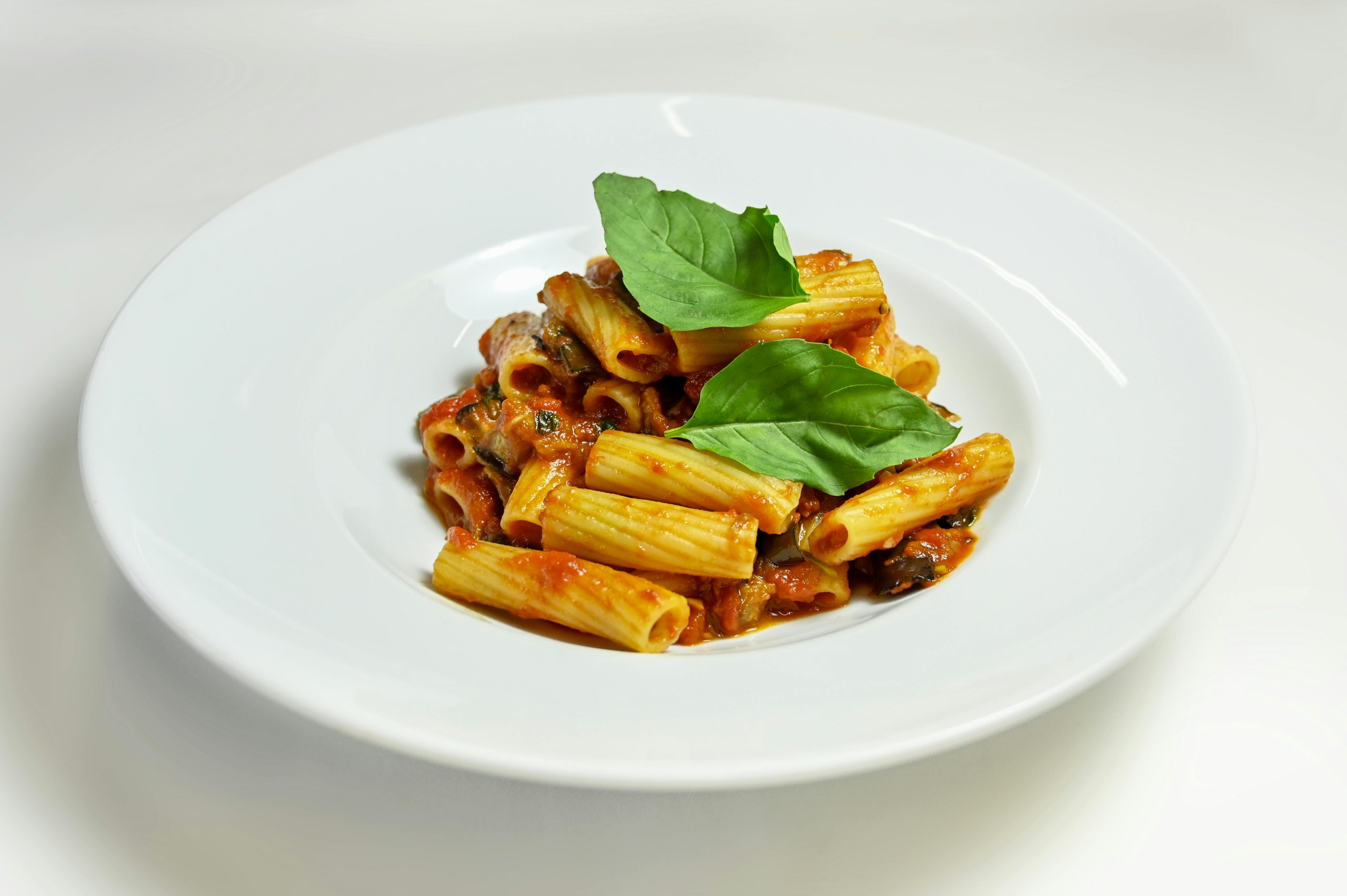
    The Secret To Making Authentic Italian Pasta From Scratch

    If you’re a lover of authentic Italian cuisine, you’ll know that nothing beats a plate of freshly made pasta. The tender, hand-crafted noodles, paired with a rich, aromatic sauce – it’s a match made in heaven. But have you ever wondered what the secret to making authentic Italian pasta from scratch is? Well, look no further. In this article, we’ll dive deep into the art of pasta-making and reveal the key elements to creating the perfect plate of homemade Italian pasta. Get your apron on, because it’s time to roll up your sleeves and get ready to master this delicious and versatile dish.

    The Ingredients

    Before we get into the actual process of making pasta, let’s start with the ingredients. Traditional Italian pasta only requires a few simple ingredients: semolina flour, eggs, salt, and water. Semolina flour is made from durum wheat and has a higher gluten content, making it perfect for pasta dough. Choose fresh, organic eggs for a richer flavor and vibrant yellow color in your pasta. And of course, don’t forget a pinch of salt and water to bring it all together.

    The Importance of Fresh Ingredients

    When it comes to creating an authentic Italian dish, fresh ingredients are key. Store-bought pasta may be convenient, but it lacks the depth of flavor and texture that fresh pasta brings. Using fresh eggs and high-quality flour will give your pasta a rich, satisfying taste and a perfect al dente texture.

    Experiment with Flavors

    While traditional Italian pasta only requires a handful of ingredients, you can always experiment with adding in different flavors to your dough. Try mixing in herbs like basil, oregano, or thyme, or even roasted garlic, for an added burst of flavor. You can also play with different flours, such as incorporating whole wheat or spelt for a healthier twist on the classic pasta recipe.

    The Process

    Now that we have our ingredients, let’s get into the process of making the perfect Italian pasta dough.

    Mixing the Dough

    Start by sifting your flour onto a clean, flat surface. Make a well in the center and crack your eggs into it. Add a pinch of salt and begin to mix the eggs and flour together with your hands. Slowly start to incorporate the flour from the sides into the eggs until you have a ball of dough. Knead the dough for about 10 minutes until it becomes smooth and elastic. If the dough is too dry, add a splash of water. If it’s too sticky, add a bit more flour.

    Resting the Dough

    Once your dough is smooth, cover it with plastic wrap and let it rest for at least 30 minutes. This resting period is crucial as it allows the gluten in the dough to relax and makes it easier to roll out later.

    Rolling and Cutting the Pasta

    After the resting period, it’s time to roll out your dough. Cut your dough into smaller pieces and roll them out using a pasta machine or a rolling pin. Keep rolling and folding the dough until you have a thin, smooth sheet. You can then cut the pasta into your desired shape – whether it be spaghetti, fettuccine or tortellini. Remember to dust your pasta with flour to prevent them from sticking together.

    Cooking the Pasta

    Fresh pasta only takes a few minutes to cook, so be sure to keep an eye on it. Once your water is boiling, add in your pasta and cook for about 2-3 minutes until it floats to the top. Drain the pasta and toss it with your favorite sauce for a delicious, homemade meal.

    The Final Touch

    The secret to making authentic Italian pasta from scratch doesn’t just stop with the basic ingredients and process. To truly elevate your dish, add some finishing touches – a sprinkle of freshly grated Parmigiano Reggiano, a drizzle of quality olive oil, or a handful of fresh herbs. These small touches will make a big difference in flavor and presentation.

    So there you have it – the secret to making authentic Italian pasta from scratch. With quality ingredients, a little patience, and some love, you can recreate the flavors of Italy in the comfort of your own home. So what are you waiting for? Grab your ingredients and get ready to impress your taste buds with the perfect plate of homemade Italian pasta.

    *Disclaimer: This article is for informational purposes only. Always follow proper food safety guidelines when preparing and cooking food at home.*

  • How To Choose The Perfect Chef Knife For Precision

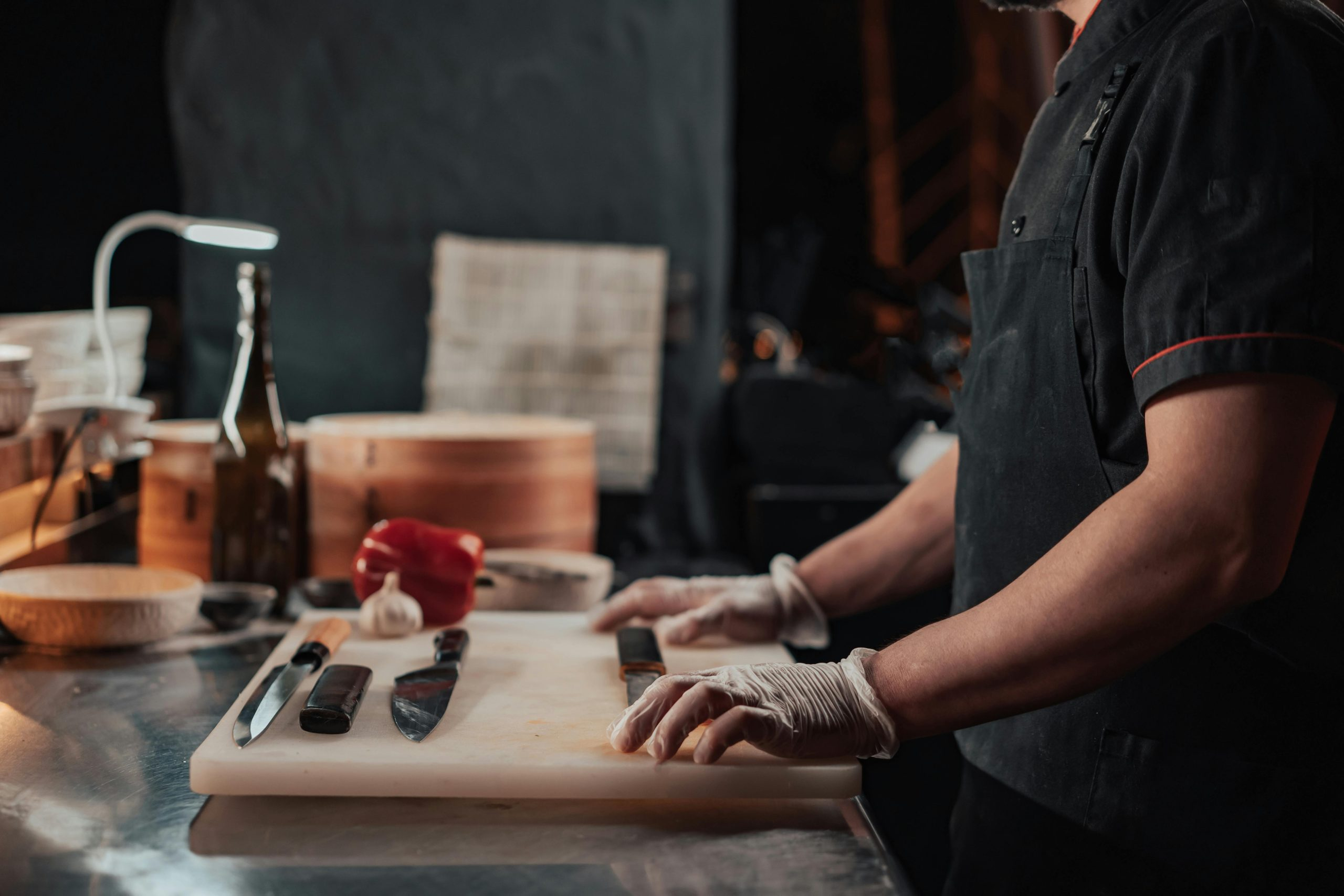
    How To Choose The Perfect Chef Knife For Precision

    As a chef, choosing the perfect knife is crucial for achieving precision in your culinary creations. With so many options available, it can be overwhelming to find the right chef knife that meets your specific needs. From blade material to handle design, there are several factors to consider before making a purchase. In this article, we will discuss how to choose the perfect chef knife for precision, guiding you on the most important features to look for in a kitchen essential.

    Understanding the Importance of a Good Chef Knife

    Before delving into the details of choosing the perfect chef knife, it’s essential to understand the significance of this kitchen tool. A chef knife is not just a blade for cutting and slicing ingredients; it is the extension of a chef’s hand. A good chef knife not only makes your work easier but also enhances the taste and appearance of your dishes. Whether you are a professional chef or a home cook, investing in a quality chef knife is worth every penny.

    The Different Types of Chef Knives

    There are various types of chef knives, each designed for specific purposes. It’s essential to know the difference between them to choose the perfect one for your needs. The three most common types of chef knives are:

    1. The French Knife

    The French knife, also known as a “chef’s knife,” is the most commonly used knife in the culinary world. It has a wide blade that tapers to a sharp point, allowing for versatility in cutting and slicing vegetables, fruits, and herbs. Its length ranges from 6 to 12 inches, with the most popular size being 8 inches. This type of knife is suitable for both professional and home cooks.

    2. The Japanese Knife

    Japanese knives, also known as Santoku knives, have a thinner and lighter blade compared to French knives. They have a straighter edge, making them ideal for precise cuts. Japanese knives are versatile and can be used for slicing, dicing, and chopping. However, they are not suitable for heavy-duty tasks like breaking bones or cutting through hard-skinned vegetables.

    3. The German Knife

    The German knife, also known as a “full-tang knife,” has a thicker and heavier blade compared to the other two types. It is specifically designed for heavy-duty tasks like breaking bones and cutting through hard-skinned vegetables. The full tang design provides extra balance and stability, making it easier to handle. However, this type of knife may not be as versatile as the French and Japanese knives.

    Key Features to Consider

    Now that you have a basic understanding of the different types of chef knives, here are the key features to look for when choosing the perfect knife for precision:

    1. Blade Material

    The blade is the most crucial part of a chef knife, and its material determines its durability, sharpness, and maintenance. The three most common blade materials are stainless steel, high-carbon steel, and ceramic. Stainless steel blades are more affordable and resistant to rust, but they may not hold their sharpness for a long time. High-carbon steel blades are more durable and have better edge retention, but they require more maintenance. Ceramic blades are extremely sharp and retain their edge for a long time, but they can be prone to chipping.

    2. Handle Design

    The handle of a chef knife should be comfortable to hold, providing a good grip and control. There are several handle designs available, such as wooden, plastic, and stainless steel. Wooden handles are aesthetically pleasing and have a good grip, but they may require more maintenance and can be prone to bacteria buildup. Plastic handles are easy to clean and are more affordable, but they may not provide the best grip. Stainless steel handles are durable and have a good grip, but they can be heavy and may not provide enough balance for precision cutting.

    3. Blade Length and Weight

    The ideal length and weight of a chef knife depend on an individual’s preferences and the tasks they will be using the knife for. A longer and heavier knife may provide more power and leverage, but a shorter and lighter knife may offer more control. It’s essential to test the knife’s weight and length before purchasing to determine the one that feels most comfortable for you.

    4. Blade Shape and Sharpness

    The shape of a chef knife’s blade can also affect its performance in achieving precision cuts. A curved blade is ideal for rocking motions while a straighter edge is better for up-and-down chopping. The sharpness of the blade is also crucial in achieving precision cuts. A sharp knife not only ensures precise cuts but also reduces the risk of accidents and injuries in the kitchen.

    Final Thoughts

    Choosing the perfect chef knife for precision is a personal process that depends on individual preferences and needs. By understanding the different types of chef knives and their key features, you can make a well-informed decision on which knife is best for your culinary style. Remember to test the knife’s weight, length, and handle design before making your purchase to ensure maximum comfort and control. With the right chef knife in hand, you’ll elevate your cooking skills and achieve precise, beautiful cuts every time.

  • Essential Spices Every Home Cook Needs In Their Pantry

    Essential Spices Every Home Cook Needs In Their Pantry

    Spices are an essential part of any cook’s pantry. They add flavor, aroma, and color to dishes, making them more appealing to the palate. They also have numerous health benefits and are a great way to add variety to your meals. Whether you are an experienced chef or a beginner in the kitchen, having a collection of essential spices can make all the difference in your cooking. In this article, we will discuss the top must-have spices that every home cook needs in their pantry. From everyday meals to special occasions, these spices will level up your cooking game and take your dishes to the next level.

    The Importance of Spices in Cooking

    Spices, also known as herbs and seasonings, are derived from plants and are used to enhance the flavor of food. They have been used in cooking for centuries and are an integral part of many cuisines around the world. In addition to adding flavor to dishes, spices also have medicinal and health benefits. For example, turmeric is known for its anti-inflammatory properties, while cinnamon helps regulate blood sugar levels. Including spices in your diet can not only make your food more flavorful but also provide various health benefits.

    Essential Spices Every Home Cook Needs

    1. Salt

    Salt is arguably the most essential spice in any kitchen. It not only adds flavor but also enhances the natural flavors of other ingredients in a dish. Salt has been used in cooking for thousands of years and is an essential element in all cuisines around the world. However, it is important to use it in moderation, as too much salt can overpower other flavors and make your food taste too salty.

    2. Black Pepper

    Another must-have spice in any home cook’s pantry is black pepper. It is the most widely used spice in the world and is known for its pungent and slightly spicy flavor. It pairs well with almost any dish and can enhance the taste of both savory and sweet dishes. Use it to season meats, vegetables, sauces, and even desserts for a little kick of flavor.

    3. Garlic Powder

    Garlic powder is a pantry staple for many home cooks. It is made by grinding dehydrated garlic cloves into a fine powder and is a convenient alternative to fresh garlic. It adds a rich and robust flavor to dishes and is perfect for seasoning meats, vegetables, and sauces. It is also a great substitute for fresh garlic if you run out or don’t have time to peel and mince cloves.

    4. Cumin

    Cumin is a spice commonly used in Mexican, Indian, and Middle Eastern cuisines. It has a warm and earthy flavor and is often used in curry dishes and spice blends. Cumin is also known for its various health benefits, including aiding digestion and improving blood cholesterol levels. Add it to your chili, tacos, or soups for a burst of flavor.

    5. Paprika

    Paprika is a spice made from dried and ground sweet peppers. It adds a vibrant red color to dishes and has a mild and slightly sweet flavor. It is commonly used in Hungarian and Spanish cuisines and is a great addition to soups, stews, and meat rubs. It also contains antioxidants and can help improve blood circulation and regulate blood pressure.

    6. Ginger

    Ginger is a spicy and aromatic root used in many Asian dishes and is a must-have spice for any home cook. It adds a unique flavor to dishes and is known for its various medicinal properties. It can help reduce inflammation, ease nausea, and even fight off the common cold. Use it in marinades, stir-fries, and curries for a spicy and flavorful kick.

    How to Store Spices

    To ensure your spices stay fresh and flavorful for as long as possible, it is important to store them properly. Keep them in airtight containers away from heat, light, and moisture. It is best to store spices in a cool and dark place, such as a pantry or kitchen cabinet. Avoid storing them above the stove or near any other heat sources, as this can cause them to lose their flavor quickly.

    In Conclusion

    Having a collection of essential spices in your pantry can make all the difference in your cooking. Not only do they add flavor and depth to dishes, but they also have various health benefits. Salt, black pepper, garlic powder, cumin, paprika, and ginger are just some of the must-have spices for any home cook. Experiment with different spices to find the perfect flavor combinations for your favorite dishes. Happy cooking!

  • Mastering The Art Of Slow Roasted Meat At Home

    Mastering The Art Of Slow Roasted Meat At Home

    There’s something about that slow-roasted, melt-in-your-mouth, tender and juicy piece of meat that just hits the spot. Whether it’s a hearty Sunday dinner with the family or a special occasion, the art of slow roasting meat at home is both satisfying and impressive. But perfecting this cooking technique takes patience, skill, and a touch of expertise. In this article, we’ll dive into the world of slow roasted meat and reveal our top tips and tricks for mastering this mouthwatering art in the comfort of your own kitchen.

    What is Slow Roasting?

    Before we get into the specifics of how to master slow roasting, let’s first understand what it is. Slow roasting is a cooking method that involves cooking meat at a low temperature for an extended period of time. This allows the meat to cook slowly and evenly, resulting in a tender, flavorful, and succulent end result. The cooking time can range from 3-8 hours, depending on the size and type of meat being cooked.

    The Benefits of Slow Roasting

    While the long cooking time might seem daunting, the benefits of slow roasting make it well worth the wait. First and foremost, slow roasting creates a juicy and tender result that is hard to achieve with other cooking methods. This slow cooking process allows the meat’s natural juices to be retained, resulting in a moist and flavorful end product.

    In addition, the low and slow cooking method also breaks down the tough connective tissues found in tougher cuts of meat, resulting in a melt-in-your-mouth tenderness. This makes slow roasting the perfect method for cuts of meat that can be traditionally tough and hard to chew. Plus, slow roasting is also a budget-friendly option, as it allows for cheaper and tougher cuts of meat to be transformed into delicious and restaurant-worthy dishes.

    Choosing the Right Meat

    Before you start slow roasting, it’s important to choose the right cut of meat. Typically, tougher cuts of meat that have more connective tissue and marbling work best for slow roasting. These include cuts like beef chuck, pork shoulder, and lamb shanks. These cuts are also more affordable compared to premium cuts of meat, making them perfect for slow roasting on a budget.

    Preparation is Key

    The key to successful slow roasting is proper preparation. Before cooking, make sure to bring the meat to room temperature – this will help ensure even cooking. Season the meat liberally with salt and pepper and any other desired herbs and spices. You can also marinate the meat in advance for added flavor – just make sure to pat it dry before cooking.

    Another crucial step is to sear the meat before placing it in the oven. This will help create a flavorful crust and lock in the meat’s juices. Heat a pan over high heat and sear the meat on all sides until it develops a golden-brown color. This process takes about 2-3 minutes per side.

    The Slow Roasting Process

    Once your meat is prepped and ready, it’s time to start the slow-roasting process. Preheat your oven to 275-300°F and place the meat in a roasting pan or oven-safe dish. While some recipes call for the meat to be placed on a rack, we recommend cooking it directly in the pan for maximum flavor.

    The key to slow roasting is maintaining a low and consistent temperature throughout the cooking process. This will prevent the meat from becoming tough or drying out. For larger cuts of meat, it’s important to use a thermometer to check the internal temperature. For beef and lamb, the recommended internal temperature is 135°F for medium-rare, while pork should be cooked until it reaches 145°F. If you don’t have a thermometer, you can use a fork to test the tenderness of the meat.

    Let it Rest

    After the long wait, your slow roasted meat is finally done and ready to devour. But before you dig in, it’s important to let the meat rest for 10-15 minutes. This allows the juices to settle, resulting in a more tender and flavorful end product.

    Create a Delicious Sauce

    While the meat rests, you can use this time to make a delicious sauce to accompany it. Simply deglaze the pan with some broth or wine, add in some herbs and spices, and let it simmer until it reduces and thickens. This sauce will add an extra layer of flavor to your slow roasted meat.

    Final Thoughts

    With a little patience and some essential tips, mastering the art of slow roasting meat at home is easily achievable. It’s a cooking method that transforms cheaper and tougher cuts of meat into juicy, tender, and flavorful dishes that are sure to impress. So next time you’re craving that melt-in-your-mouth goodness, give slow roasting a try and see for yourself the mouthwatering results.

  • Revolutionary Kitchen Gadgets That Will Change Your Cooking Routine

    Revolutionary Kitchen Gadgets That Will Change Your Cooking Routine

    Welcome to the future of cooking! With the rapid advancements in technology, the kitchen gadgets we once knew are now evolving and revolutionizing the way we cook. Say goodbye to traditional cooking methods and prepare to be amazed by these revolutionary kitchen gadgets that will completely change your cooking routine.

    Smart Sous Vide Cooker

    Sous vide cooking is a cooking technique that has gained popularity in recent years. It involves cooking food in a temperature-controlled water bath, resulting in perfectly cooked meals every time. Now, imagine having a smart sous vide cooker that can be controlled remotely with your smartphone. With a variety of features such as temperature and timer settings, the smart sous vide cooker takes the guesswork out of cooking and ensures consistent and delicious results.

    Instant Pot

    The Instant Pot has been taking the cooking world by storm, and for good reason. It’s a multi-functional kitchen gadget that combines a pressure cooker, slow cooker, rice cooker, yogurt maker, steamer, and warmer all in one. With the ability to cook anything from stews to yogurt in a fraction of the time, the Instant Pot will completely transform your cooking routine. Plus, with its smart programming and safety features, you can set it and forget it, allowing you to focus on other things while your meal cooks.

    Smart Wi-Fi Induction Cooktop

    Induction cooktops have been around for a while, but the newest addition to the market is the smart Wi-Fi induction cooktop. This gadget connects to your Wi-Fi, allowing you to control the temperature and cooking settings directly from your phone. With precise and consistent heating, this cooktop minimizes the risk of burning or undercooking your food. It’s also easy to clean, making it a must-have for any home cook.

    Food Processor

    The food processor has been a staple in many kitchens for years, but the latest models have truly revolutionized the way we prepare food. With various attachments, a food processor can chop, mix, puree, and even knead dough. It saves time and effort in the kitchen, and with its compact size, it’s a space-saving gadget that every home cook should have.

    Smart Fridge

    Gone are the days of manually checking your fridge for perishable items. The smart fridge is equipped with cameras and sensors that can detect when your food is about to expire. Not only does it help reduce food waste, but it also allows you to keep track of your grocery list and even order groceries directly from your fridge.

    Air Fryer

    For those looking to make their meals healthier, the air fryer is a game-changer. It uses hot air to cook food, resulting in crispy and delicious meals without the added oil. With its compact size and quick cooking time, the air fryer is not only a healthier option but also a convenient addition to any kitchen.

    In conclusion, these revolutionary kitchen gadgets are changing the way we cook, making it easier, healthier, and more convenient. Whether you’re a busy parent, a professional chef, or someone who just loves to cook, these gadgets will transform your cooking routine and elevate your meals to a whole new level. Embrace the future of cooking and invest in these revolutionary kitchen gadgets today.

  • Strategies for Planning a Cohesive Multi-Course Meal

    Strategies for Planning a Cohesive Multi-Course Meal

    If you’re planning a special dinner or hosting a dinner party, you may be wondering how to create a cohesive multi-course meal. With so many dishes to consider, it can be overwhelming to think about how to tie them all together in a way that makes sense. But fear not, with some strategic planning and a few helpful tips, you can easily create a multi-course meal that will impress your guests and leave them satisfied from start to finish. In this article, we’ll discuss some essential strategies for planning a cohesive multi-course meal that is sure to be a hit.

    1. Consider the Theme and Occasion

    The first step in planning a cohesive multi-course meal is to consider the theme and occasion of the dinner. This will help narrow down your options and give you a starting point for choosing dishes. For example, if you’re hosting a romantic date night, you may want to focus on a more intimate and elegant meal, whereas a dinner party with friends may call for a more casual and fun menu.

    – Choose a Flavor Profile

    Once you have a theme in mind, it’s important to choose a flavor profile that will tie all of your dishes together. This could be a specific cuisine, such as Italian or Thai, or a specific flavor, such as spicy or sweet. Whatever you choose, make sure all of your dishes have a similar flavor profile to create a cohesive and well-balanced meal.

    – Consider Dietary Restrictions

    When planning a multi-course meal, it’s essential to keep in mind any dietary restrictions or allergies of your guests. This will not only ensure that everyone can enjoy the meal, but it also gives you the opportunity to get creative with your dishes. For example, if you have a vegetarian or gluten-free guest, consider incorporating some unique and flavorful vegetarian options into your menu.

    2. Plan the Courses in Advance

    Once you have a theme and flavor profile in mind, it’s time to start planning the courses. Generally, a multi-course meal will consist of at least three courses: an appetizer, a main course, and a dessert. However, you can also add a soup or salad course, a palate cleanser, or a cheese platter as well. It’s all about what works best for the occasion and your guests’ appetites.

    – Start Light and Build Up

    When planning the courses, it’s important to start with lighter dishes and build up to heavier ones. This will prevent your guests from feeling too full too quickly and allow them to fully enjoy all of the flavors. For example, you may start with a refreshing salad course and then move on to a heartier soup or main course.

    – Balance Flavors and Textures

    In addition to balancing the courses in terms of heaviness, it’s also important to consider the flavors and textures of each dish. For example, if you’re serving a rich and flavorful main course, consider pairing it with a light and refreshing side dish to balance it out. You could also incorporate different textures, such as crunchy, creamy, and chewy, to add variety and interest to the meal.

    3. Pay Attention to Presentation

    The presentation of your dishes can make a big difference in how cohesive your multi-course meal feels. After all, we eat with our eyes first! When plating your dishes, make sure to take into consideration the overall look and feel of the meal. Using similar plates and garnishes can help tie everything together and create a more cohesive and visually appealing presentation.

    – Use Complementary Colors

    Another way to make your multi-course meal feel cohesive is by using complementary colors in the dishes. This doesn’t mean everything has to be the same color, but rather that the colors should work together to create a visually appealing meal. For example, you could pair a bright and colorful salad with a more understated main dish to create balance and harmony in the overall presentation.

    – Incorporate Garnishes

    Garnishes may seem like a small detail, but they can really add a touch of elegance and cohesion to your dishes. Consider using similar herbs or edible flowers as garnishes throughout the courses to tie everything together. You could also use a specific garnish that reflects the theme or flavor profile of the meal.

    4. Don’t Forget About Drinks

    In addition to planning the food courses, it’s also essential to consider the drinks that will accompany the meal. This could include wine or other alcoholic beverages, as well as non-alcoholic options like juice or water. The key is to choose drinks that will complement the flavors of the food and enhance the dining experience for your guests.

    – Pair Wine With Each Course

    If you’re serving wine with your multi-course meal, it’s important to choose wines that will pair well with each course. This could mean choosing a light, crisp white wine to pair with a salad, and a bold and robust red wine to pair with a hearty main course. Don’t be afraid to do some research or ask for recommendations from a wine expert to ensure that your pairings are on point.

    – Offer Non-Alcoholic Options

    Not all of your guests may want to consume alcohol, so it’s important to offer non-alcoholic options as well. Consider creating a non-alcoholic “mocktail” that ties in with the flavor profile of the meal, or simply offer a selection of non-alcoholic beverages like juice or soda. Your guests will appreciate having a variety of options to choose from.

    With these strategies in mind, you’re well on your way to planning a cohesive multi-course meal that will impress your guests and leave them wanting more. Remember to have fun with the planning process and don’t be afraid to get creative with your dishes. By following these tips, you’ll be sure to create a memorable dining experience that everyone will enjoy. Bon Appétit!

  • Exploring the Benefits of Fermented Foods Like Kimchi

    Exploring the Benefits of Fermented Foods Like Kimchi

    Fermented foods have been a staple in many cultures for centuries, and for good reason. They not only add a tangy and unique flavor to dishes, but they also offer a host of health benefits. One popular fermented food that has been gaining popularity in recent years is kimchi. This spicy Korean side dish is not only delicious, but it is also packed with nutrients that can improve overall health. In this article, we will be exploring the benefits of fermented foods, specifically kimchi, and how it can contribute to a healthy diet.

    What is Fermentation?

    Before we delve into the benefits of fermented foods, let’s first define what fermentation is. Fermentation is a process in which natural bacteria convert carbohydrates into alcohol or acids. This process not only helps to preserve food but also creates a distinct flavor profile. Many different cultures have their own variations of fermented foods, including sauerkraut, yogurt, and of course, kimchi.

    The Nutrient Powerhouse: Kimchi

    As mentioned earlier, kimchi is a traditional Korean dish made from fermented cabbage and other vegetables, such as radish, scallions, and garlic. This flavorful condiment is known for its pungent aroma and spicy taste, but what makes it truly special are its abundant health benefits.

    Probiotic Boost

    One of the main benefits of fermented foods like kimchi is their high probiotic content. Probiotics are live bacteria and yeasts that are beneficial for the digestive system. These good bacteria help to balance the gut microbiome, which is crucial for overall health. Eating kimchi regularly can promote digestion and may even help to alleviate digestive issues such as bloating, constipation, and irritable bowel syndrome (IBS).

    Nutrient-Dense

    In addition to being a great source of probiotics, kimchi is also packed with vitamins and minerals. Cabbage, the main ingredient in kimchi, is rich in vitamin C, vitamin K, and folate. Other ingredients such as garlic and ginger provide a variety of antioxidants and anti-inflammatory compounds, which can help to boost the immune system and reduce the risk of chronic diseases.

    Weight Management

    One interesting benefit of fermented foods is their potential to aid in weight management. Studies have shown that incorporating fermented foods into the diet can improve satiety, leading to a decrease in overall calorie intake. Additionally, some research suggests that the probiotics found in fermented foods may also impact metabolism and may help to regulate insulin levels.

    Incorporating Kimchi into Your Diet

    Now that we know the many benefits of kimchi, you may be wondering how you can add more of this fermented food into your diet. Here are a few ideas:

    As a Side Dish

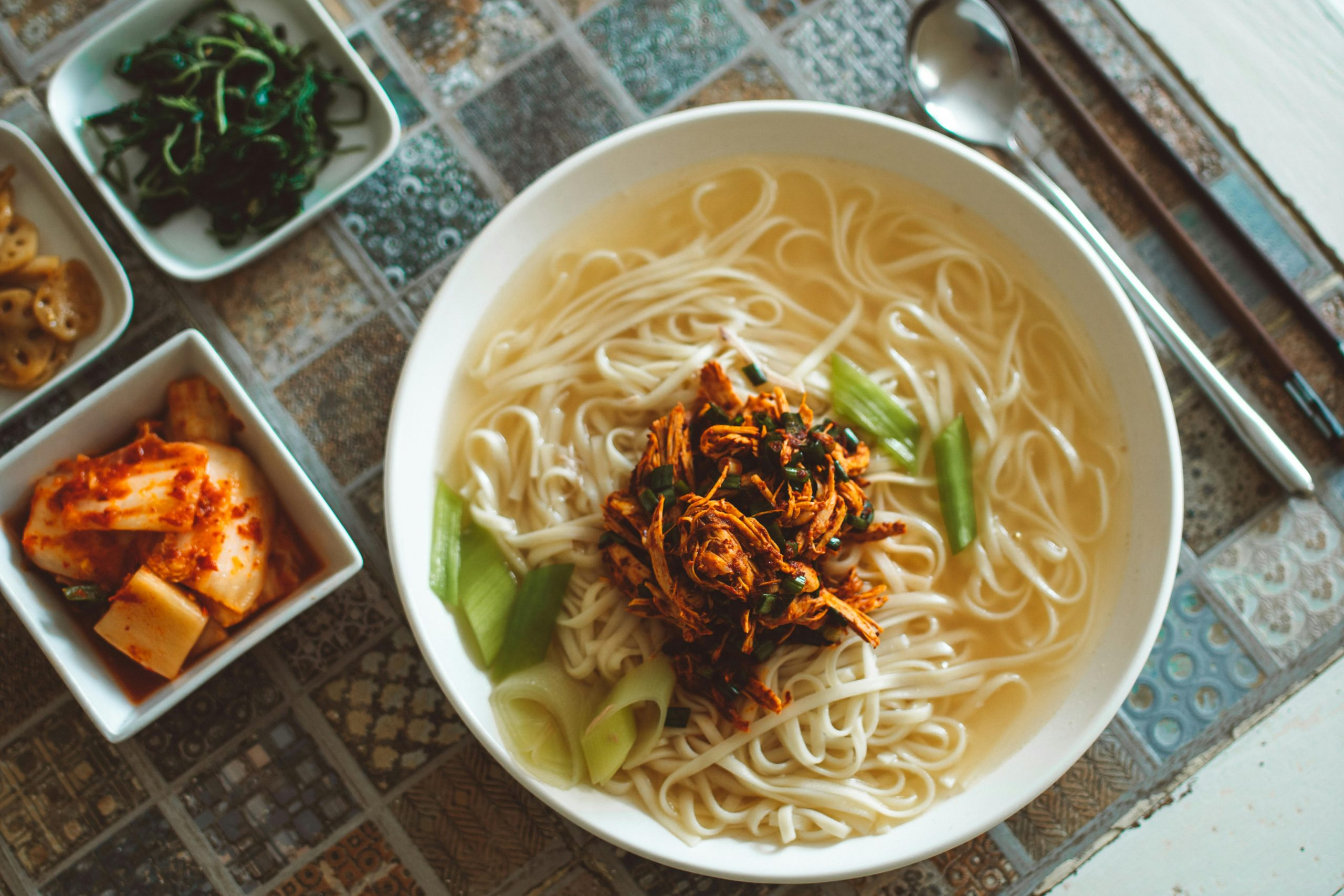
    In Korean cuisine, kimchi is typically eaten as a side dish with almost every meal. Try adding a small serving of kimchi to your next lunch or dinner for an extra burst of flavor and nutrition.

    In Soups and Stews

    Kimchi can also be used in a variety of soups and stews for added flavor and nutrition. It pairs especially well with tofu, mushrooms, and other vegetables.

    In Stir-Fries

    Add a spicy kick to your stir-fries by tossing in some kimchi. This adds a depth of flavor and also makes for a quick and easy meal.

    On Top of Toast

    Get creative with your breakfast by topping your toast with kimchi. This adds a new dimension of flavor and a boost of probiotics to your morning routine.

    Conclusion

    Fermented foods like kimchi have been consumed for centuries for their unique taste and numerous health benefits. From promoting gut health to aiding in weight management, kimchi is a powerhouse of nutrients that can easily be incorporated into your diet. Give it a try and experience the wonders of this delicious and nutritious Korean dish.

  • Understanding the Basics of Molecular Gastronomy

    Understanding the Basics of Molecular Gastronomy

    If you’ve ever been to a fancy restaurant, you may have noticed some unusual dishes that look more like scientific experiments than food. This trend is known as molecular gastronomy, and it has taken the culinary world by storm. While it may seem intimidating at first, understanding the basics of molecular gastronomy can open up a whole new world of flavors and cooking techniques. In this article, we’ll dive into the fascinating world of molecular gastronomy and discover what it’s all about.

    The Science Behind Molecular Gastronomy

    Molecular gastronomy is a field of food science that explores the physical and chemical transformations that occur during cooking. It combines elements of chemistry, physics, and biology to create new and innovative culinary experiences. The term was coined in the late 1980s by French physical chemist Hervé This and Hungarian physicist Nicholas Kurti, who were intrigued by the idea of using scientific principles to improve cooking methods.

    The Role of Chemical Reactions

    One of the key elements of molecular gastronomy is understanding how chemical reactions play a vital role in cooking. Traditional cooking methods rely on heat transfer to cook food, while molecular gastronomy focuses on manipulating the ingredients and their chemical reactions to create truly unique dishes. For example, using liquid nitrogen to freeze and shatter foods, such as chocolate or fruit, can add a touch of theatricality to a dish and create a surprising texture.

    The Power of Physics

    Physics also plays a crucial role in molecular gastronomy. One famous technique is spherification, where liquid droplets are coated with a gel-like membrane made from sodium alginate and calcium chloride. When the droplets are placed in a water bath, the membrane solidifies, creating small, edible spheres that can burst with flavor in your mouth. Another example is foams, which use foam stabilizers and an aerator, such as a whipped cream dispenser, to incorporate air into a liquid, resulting in a light and airy consistency.

    How to Get Started with Molecular Gastronomy

    While molecular gastronomy may seem like something reserved for professional chefs, it’s actually quite accessible for home cooks. The key is to understand the science behind it and experiment with different techniques and ingredients.

    Do Your Research

    With the vast amount of information available online, it’s easy to get lost in the world of molecular gastronomy. Start by familiarizing yourself with the basic principles and techniques, and then gradually move on to more advanced recipes. Online tutorials, books, and cooking classes can also be helpful for beginners.

    Invest in the Right Tools

    While you don’t need a fully stocked laboratory, there are some specialized tools that can make your molecular gastronomy experiments much easier. These include a precision scale for accurate measurements, a digital thermometer for precise temperature control, and a set of pipettes for precise liquid measurement.

    Experiment with Different Ingredients

    The beauty of molecular gastronomy is that it’s all about experimentation. Don’t be afraid to think outside the box and try out unusual ingredients, such as agar or xanthan gum, to create different textures and flavors. Remember to always start with small batches to minimize waste and adjust your recipes as needed.

    Is Molecular Gastronomy Here to Stay?

    As with any trend, opinions on molecular gastronomy are divided. Some chefs argue that it’s a passing fad, while others fully embrace it and incorporate it into their cooking. However, one thing is for sure – molecular gastronomy has greatly influenced and changed the culinary landscape, creating new opportunities for creativity and innovation.

    So why not give molecular gastronomy a try? With a little bit of science knowledge and a lot of creativity, you can elevate your cooking skills and impress your dinner guests with unique and delicious dishes. Who knows, you just might discover your new favorite cooking technique.

  • The Importance of Measuring Ingredients Accurately Every Time

    The Importance of Measuring Ingredients Accurately Every Time

    When it comes to cooking, measurements matter. Just ask any experienced cook or baker and they will tell you the same thing – getting the right measurements is key to creating a successful dish. It’s not just about being precise, but it’s also about understanding the importance of each ingredient and how it affects the overall taste and texture of the dish. In this article, we will delve deeper into the importance of measuring ingredients accurately every time and its impact on the final outcome of your cooking.

    Why Accurate Measurements Matter

    Have you ever followed a recipe to the T and still ended up with a disappointing dish? Chances are, it could be because of inaccurate measurements. Cooking and baking is not just about throwing ingredients together, but it’s a science. Each ingredient plays a specific role and if not measured accurately, it can throw off the balance and results in a less than desirable outcome.

    Consistency in Taste

    One of the biggest advantages of measuring ingredients accurately is that it helps maintain consistency in taste. Let’s say you make your grandma’s famous chocolate chip cookies and they turn out perfectly every time. This is because you have measured the ingredients accurately and have created a tried and tested recipe. But if you were to change the measurements even slightly, the cookies may taste different and not as delicious as they usually do. This is especially important for businesses that serve food, as customers expect the same taste every time they order a dish. Consistency is key in building a loyal customer base.

    Balance of Flavors and Textures

    Measuring ingredients accurately is also crucial in creating a well-balanced dish in terms of flavors and textures. For example, if you add too much salt to a dish, it will overpower the other flavors and make it too salty. Similarly, adding too much flour to a cake batter will result in a denser and drier cake. The right measurements ensure that all the ingredients work together to create a harmonious and delicious dish.

    Economic Benefits

    Using accurate measurements can also save you money in the long run. If you were to constantly experiment with ingredient measurements, you may end up wasting a lot of ingredients in the process. On the other hand, if you stick to accurate measurements, you are less likely to waste ingredients and save money in the long run.

    How to Measure Ingredients Accurately

    Now that we understand the importance of measuring ingredients accurately, let’s take a look at some tips for doing so.

    Use Measuring Tools

    The most accurate way to measure ingredients is by using measuring tools such as measuring cups, spoons, and kitchen scales. These tools have standard measurements and are specially designed to give precise amounts of ingredients. Keep in mind that measuring liquids and dry ingredients require different measuring tools.

    Sift Dry Ingredients

    When measuring dry ingredients such as flour, it’s important to sift them first. This ensures that the ingredient is evenly distributed and not packed down, resulting in a more accurate measurement.

    Level Off Ingredients

    When measuring dry ingredients, it’s important to level off the measuring cup or spoon with a flat edge. This helps in getting an accurate measurement as too much or too little of an ingredient can drastically change the final product. Similarly, when measuring liquids, make sure to use a measuring cup with a clear measurement line at eye level for accuracy.

    Be Mindful of Ingredients’ State

    Lastly, it’s important to take into consideration the state of the ingredient when measuring. For example, a cup of chopped nuts will have a different volume than a cup of whole nuts. Similarly, a cup of melted butter will have a different volume than a cup of solid butter. Be mindful of the state of the ingredient when measuring to ensure accurate measurements.

    Conclusion

    In conclusion, measuring ingredients accurately every time is crucial for creating a successful dish. It helps maintain consistency, balance of flavors and textures, and can also save you money in the long run. Make sure to use proper measuring tools, sift dry ingredients, level off ingredients, and take note of the ingredient’s state when measuring. With these tips in mind, you can be sure to impress your family and friends with your cooking skills. Happy measuring and happy cooking!

  • Mastering the Art of Preparing Authentic Japanese Cuisine

    Mastering the Art of Preparing Authentic Japanese Cuisine

    If you are a food enthusiast, then you must be aware of the love for Japanese cuisine. The delicate flavors, unique ingredients, and meticulous preparation methods make Japanese dishes stand out in the culinary world. However, mastering the art of preparing authentic Japanese cuisine can be a daunting task. As much as it requires precision, it also demands a deep understanding of the culture and traditions behind this remarkable cuisine. In this article, we will provide you with some insights that will help you improve your skills and elevate your Japanese cooking game.

    Understanding the Culture Behind Japanese Cuisine

    To understand Japanese cuisine, it is essential to know about its cultural background. Japanese cuisine is not just about food; it is a reflection of the country’s history, geography, and traditions. The preparation methods, ingredients, and even the way the food is presented are all influenced by these factors.

    The Key Ingredients

    Japanese cuisine relies heavily on fresh and high-quality ingredients, and it is not limited to just seafood. Rice, fish, meat, tofu, and a wide variety of vegetables are all staples of Japanese cooking. With Japan being a country blessed with ample natural resources, these ingredients are readily available, making it possible for Japanese chefs to create a diverse range of dishes.

    The Importance of Seasonality

    One of the most prominent aspects of Japanese cooking is the emphasis on seasonality. With Japan being a country blessed with four distinct seasons, the cuisine’s traditional dishes revolve around the availability of ingredients during a particular season. This not only ensures the freshness of the ingredients but also creates a deeper connection between the dish and the season it represents.

    The Art of Presentation

    In Japanese culture, presentation is just as crucial as the taste of the dish. The arrangement of food on the plate, the colors, and the serving dishes are all chosen carefully to create a visual appeal that complements the flavors of the food. This attention to detail is what makes Japanese cuisine not only a feast for the taste buds but also for the eyes.

    The Cooking Techniques

    Japanese cuisine is known for its simple yet sophisticated cooking techniques, which showcase the natural flavors of the ingredients. Here are some of the most commonly used cooking techniques in Japanese cooking:

    Grilling (Yakimono)

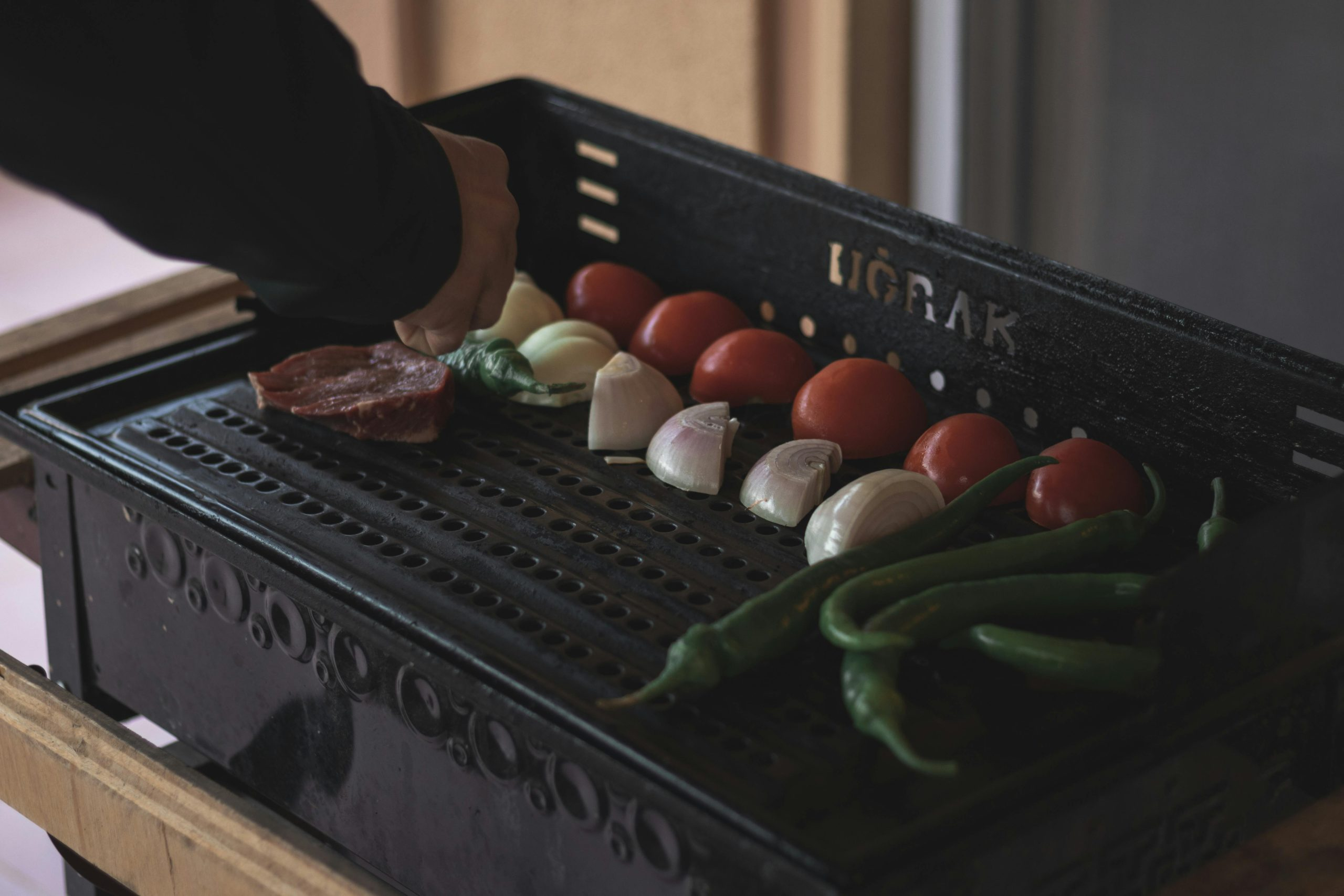
    Grilling is a popular cooking method in Japanese cuisine, as it imparts a unique smoky flavor to the food. Yakitori, which is skewered grilled chicken, is a popular street food in Japan. It is also used for grilling fish, tofu, and vegetables.

    Steaming (Mushimono)

    Steaming is a cooking method that utilizes the steam from boiling water to cook food. This gentle method preserves the food’s nutrients, making it a popular choice for preparing seafood and vegetables in Japanese cuisine.

    Deep-frying (Agemono)

    Deep-frying is widely used in Japanese cuisine, and it is not limited to just tempura. Tonkatsu, a popular dish made of breaded and deep-fried pork cutlets, is another classic example of agemono. However, Japanese cooking uses a lighter and more refined version of deep-frying, ensuring that the food remains crispy without being greasy.

    Mastering the Techniques

    Mastering the art of preparing Japanese cuisine is not only about understanding the techniques but also about the execution. Here are some tips that will help you improve your skills and take your Japanese cooking to the next level:

    Invest in Quality Ingredients

    As mentioned earlier, Japanese cuisine relies heavily on fresh and high-quality ingredients. While it may seem like an expensive investment, using inferior ingredients will compromise the dish’s flavors. Therefore, it is essential to source the best ingredients you can find to create authentic Japanese dishes.

    Be Patient and Take Your Time

    Japanese cuisine is all about precision and patience. Take your time to prepare the ingredients and follow the cooking techniques correctly. Rushing through the steps will result in an inferior dish that does not do justice to Japanese cuisine’s high standards.

    Experiment with Different Flavors and Ingredients

    While traditional Japanese recipes are a great starting point, don’t be afraid to experiment with different flavors and ingredients. As long as you understand the essence of Japanese cuisine, you can add your twist to create unique and delicious dishes.

    Learn from the Experts

    Last but not least, never stop learning from experts and trying out new techniques. Whether it’s taking a cooking class or watching tutorials online, there is always something new to learn in the ever-evolving world of Japanese cuisine.

    Become a Master in Authentic Japanese Cuisine!

    Mastering the art of preparing authentic Japanese cuisine requires passion, dedication, and an in-depth understanding of the culture and traditions behind it. By following the tips mentioned in this article and continuously striving to improve your skills, you can elevate your Japanese cooking and impress your family and friends with your delicious creations!

  • Developing Strong Skills in Using a Wok for High-Heat Cooking

    Developing Strong Skills in Using a Wok for High-Heat Cooking

    If you want to take your cooking skills to the next level, learning how to use a wok for high-heat cooking is a must. A wok is a versatile and efficient cooking tool that dates back to ancient China. Its unique shape and design allow for high-heat cooking that can quickly and evenly cook your favorite dishes. However, mastering the use of a wok requires practice and skill. In this article, we will discuss the steps and techniques you need to develop strong skills in using a wok for high-heat cooking. By the end, you’ll be able to whip up delicious stir-fries and other dishes with ease.

    Understanding the Different Types of Woks

    Before we dive into the specific techniques for using a wok, it’s essential to understand the different types available in the market. The two most common types of woks are carbon steel and cast iron. Carbon steel woks are lighter and easier to maneuver, while cast iron woks are more durable and retain heat better. Both are suitable for high-heat cooking, so it’s a matter of personal preference. It’s also essential to invest in a wok with a flat bottom to prevent it from tipping over on the stove. Additionally, woks with wooden or heat-resistant handles are easier to handle when cooking at high temperatures.

    Seasoning Your Wok for Better Cooking Performance

    Woks require “seasoning” before use to ensure excellent cooking results and prevent the food from sticking to the pan. This process involves heating the wok, adding oil, and rubbing it in with a paper towel or rag. This process creates a non-stick surface, which improves the wok’s performance and prolongs its lifespan.

    Proper Heat Distribution and Food Placement

    Now that you have a seasoned wok, it’s time to put it to use. For high-heat cooking, the key is to place your ingredients in the hot wok quickly and evenly. Make sure to heat the wok for a few minutes before adding your oil. Then, add your ingredients in small batches, starting with the large and hard veggies or meats first, followed by smaller and more delicate ingredients. This technique ensures that everything cooks at the same pace, and nothing gets burned or undercooked.

    Mastering the Wok Tossing Technique

    One of the most iconic images in Asian cuisine is the chef tossing ingredients in a wok with ease. This technique not only adds some flair to your cooking but also helps distribute heat and flavors evenly. To master this technique, start by practicing with uncooked rice. Place a handful of rice in your seasoned wok and practice tossing it gently with a flick of your wrist. Once you have the hang of it, you can try it with your ingredients. Just remember to keep your wok level and the heat high to prevent your food from flying out of the pan.

    Knowing When Your Wok is Ready for Cooking

    As with any cooking method, knowing when your wok is ready for cooking is crucial. A good way to test this is to sprinkle a few drops of water onto the wok’s surface. If the water evaporates quickly, your wok is hot and ready for cooking. If the water sizzles and evaporates slowly, the wok needs more time to heat up. It’s essential to get the heat level right as it can affect the overall outcome of your dish.

    Conclusion

    Developing strong skills in using a wok for high-heat cooking may take some time and practice, but the results are well worth it. Remember to invest in a good quality wok, season it properly, and practice proper heat distribution and tossing techniques. With these skills, you can create delicious and healthy meals in no time. So, grab your wok and start cooking up a storm in the kitchen!

    Remember, the key to success in mastering any skill is consistency and patience. Keep practicing, be adventurous with your ingredients, and have fun with it. With time, you’ll become a pro at using a wok for high-heat cooking, and your taste buds will thank you for it.

  • The Essential Guide to Achieving Crispiness in Cooking

    The Essential Guide to Achieving Crispiness in Cooking

    Crispiness is a highly sought-after quality in cooking, whether it’s for roasting vegetables, frying chicken, or baking pastries. It adds a satisfying crunch and depth of flavor to any dish, making it a must-have for any home cook or professional chef. However, achieving crispiness is not always an easy feat. It requires the perfect balance of time, heat, and technique. In this essential guide, we will explore the key steps and tips for achieving crispiness in cooking, so you can elevate any dish to a whole new level.

    Understanding Crispiness in Cooking

    Before we dive into the guide, let’s talk about what crispiness actually means in cooking. Crispy foods are defined as having a crunchy, flaky, or crackly texture on the outside, while still retaining a moist and tender interior. This is achieved by removing any excess moisture from the surface of the food, creating a crispy layer when cooked.

    Crispiness is not just about texture; it also adds an extra layer of flavor to the dish. When exposed to high heat, sugars and starches in food will caramelize, creating a golden-brown crust that is irresistible to the palate. These charred, caramelized bits provide a contrast to the tender and juicy interior of the food, making each bite a delightful experience.

    The Key Factors for Achieving Crispiness

    1. Start with the Right Ingredients

    The first step towards achieving crispiness is selecting the right ingredients. Fresh, high-quality produce and protein will provide the best results. Avoid using frozen foods, as they tend to release more moisture, making it difficult to achieve crispiness.

    You should also pay attention to the moisture content of the food you’re cooking. Foods with high water content, like cucumbers or zucchini, will produce more steam when cooked, making it challenging to achieve crispiness.

    2. Use the Right Cooking Method

    The cooking method plays a crucial role in crispiness. For example, roasting and baking are great techniques for creating crunchy exteriors, while frying and grilling are better for achieving a crispy texture on the outside and inside.

    Keep in mind that the method also depends on the type of food you’re cooking. For example, baking is perfect for vegetables, while frying is ideal for proteins like chicken or fish. Experiment with different methods to find what works best for each ingredient.

    3. Control the Temperature

    Temperature is a critical factor in achieving crispiness. High heat is essential to remove moisture from the surface of the food and create a crispy exterior. Low heat, on the other hand, will only lead to soggy and chewy results.

    For roasting or baking, start at a high temperature (375-400°F) to quickly form a crispy crust, then lower the heat to finish cooking the interior. For frying, maintain a constant temperature (350-375°F) to ensure the food cooks evenly and doesn’t absorb too much oil.

    4. Properly Preparing the Food

    How you prepare the food can also affect its crispiness. For roasting or baking vegetables, make sure to pat them dry before cooking to remove any excess moisture. If you’re frying, lightly dust the food with cornstarch or flour to create a starchy coating that will turn crispy when fried.

    Leaving enough space between the food is also essential. Crowding the pan will trap steam, causing the food to steam instead of crisp up. If necessary, cook in batches to achieve the perfect crispiness.

    5. Use the Right Cooking Utensils

    The type of cooking utensils you use can also have an impact on the crispiness of your food. Non-stick pans are great for creating a crisp exterior without the risk of burning. Using a wire rack when roasting or baking allows air to circulate around the food, preventing it from becoming soggy.

    6. Know When to Add Ingredients

    Adding certain ingredients at the right time can make all the difference in achieving crispiness. For example, when cooking vegetables, wait to add any seasonings or sauces until the end of the cooking process. Adding them too early can add excess moisture and prevent crispiness.

    Troubleshooting for Crispiness

    Even with following the steps and tips above, achieving crispiness in cooking can still be tricky. Here are some common issues and how to fix them:

    1. Soggy Texture

    If your food is coming out soggy, you may have not removed enough moisture before cooking. Blotting with paper towels or lightly salting and letting sit for 10-15 minutes can help draw out excess moisture.

    2. Uneven Crispiness

    Inconsistent crispiness can be caused by not evenly distributing heat throughout the cooking process. Make sure to rotate the food halfway through cooking and avoid overcrowding the pan.

    3. Foul Odor

    If your food is coming out with a strong smell, it may have become burnt instead of crispy. Adjust the cooking time or temperature accordingly.

    Conclusion

    Crispiness in cooking may require some trial and error, but by following these essential tips, you can elevate any dish to a whole new level. Remember to start with quality ingredients, use the right cooking method, control the temperature, properly prepare the food, and use the right utensils. With practice and patience, you’ll become a master at achieving perfect crispiness every time.

  • The History of the Dessert: Sweet Endings Across Cultures

    The History of the Dessert: Sweet Endings Across Cultures

    Can you imagine a world without desserts? For many of us, sweet endings are an essential part of any meal. Whether it’s a piece of cake, a scoop of ice cream, or a pastry, desserts are a universal comfort food that brings joy to people’s lives. But have you ever stopped to think about the history of desserts and how they have evolved over time? In this article, we will take a trip through history and explore the origins and cultural significance of desserts in different parts of the world. Get ready to satisfy your sweet tooth and discover the fascinating world of desserts!

    The Origins of Desserts

    The word “dessert” comes from the French word “desservir,” which means “to clear the table.” The term was first used in the 16th century to refer to the sweet course served after the main meal. But the concept of a sweet ending to a meal dates back to ancient civilizations. The ancient Egyptians and Romans were the first to consume sweet treats made with fruits and honey. These desserts served as a symbol of wealth and were reserved for special celebrations.

    The Rise of Sugar

    The use of sugar in desserts became popular in the Middle Ages when Italian and Arab traders introduced it to Europe. At that time, sugar was considered a luxury item and was only accessible to the wealthy. It wasn’t until the 18th century that sugar became more widely available, and desserts became more affordable for the general population.

    Desserts Across Cultures

    As desserts spread to different parts of the world, they took on different forms and flavors, reflecting the unique ingredients and cooking techniques of each culture. Let’s explore some of the most popular desserts in different parts of the world:

    Europe

    In Europe, desserts are deeply rooted in tradition and culture. In Germany, the Black Forest cake, made with layers of chocolate cake, whipped cream, and cherries, is a beloved dessert that originated in the Black Forest region. France is famous for its pastries and fine delicate desserts, such as macarons and crème brûlée. In Italy, gelato, a frozen dessert made with milk, cream, and sugar, is a staple and comes in a variety of flavors.

    Asia

    Asian desserts often incorporate ingredients such as rice, coconut, and tropical fruits. In Japan, the mochi, a sweet rice cake, is a popular dessert traditionally served during the New Year’s celebration. In India, the gulab jamun, a deep-fried dough ball soaked in a sugar syrup, is a beloved dessert. In Southeast Asia, the durian, a spiky fruit with a pungent smell, is often used in desserts such as ice cream and cakes.

    America

    In the United States, desserts have a strong influence from different cultures, making for a diverse dessert scene. Classics like apple pie and chocolate chip cookies are beloved treats. In the South, pecan pie and peach cobbler are popular desserts, while in Latin America, churros, a fried dough pastry, are a sweet indulgence.

    The Evolution of Desserts

    Just like any other food, desserts have evolved over time. With the advancement of technology and access to a variety of ingredients, modern desserts have become more creative and visually appealing. Chefs and home cooks alike are constantly experimenting and pushing the boundaries of traditional desserts.

    The Healthier Dessert Trend

    With the rise of health consciousness, many people are looking for healthier alternatives to traditional sugar-laden desserts. This has led to the development of desserts made with alternative sweeteners such as honey, maple syrup, and coconut sugar. Desserts made with fruits, vegetables, and whole grains are also becoming more popular.

    The Fusion of Cultures

    The fusion of cultures has also had a significant impact on desserts. Chefs are incorporating flavors and techniques from different cultures to create unique and delicious desserts. For example, the popular Japanese dessert, mochi ice cream, combines the traditional Japanese mochi with ice cream, creating a delightful fusion of flavors.

    The Significance of Desserts

    Aside from satisfying our cravings, desserts also play a significant role in many cultures and celebrations. In many countries, desserts are served during important holidays and festivities. In some cultures, specific desserts are made to bring good luck and prosperity. And let’s not forget the role desserts play in bringing people together and creating lasting memories.

    In conclusion, the history of desserts is a fascinating journey that showcases how this sweet treat has evolved over time. From ancient civilizations to modern-day creations, desserts have become a staple in many cultures and hold a special place in our hearts. So next time you indulge in your favorite dessert, remember the rich history and cultural significance behind it.

  • Strategies for Making Delicious Vegan Cheeses and Dairy

    Strategies for Making Delicious Vegan Cheeses and Dairy

    Vegan cheese has come a long way in the past few years. With an increasing demand and interest in plant-based diets, there have been numerous advancements in the world of vegan dairy alternatives. From nut-based spreads to cultured cheeses, the options for creating delicious vegan cheeses and dairy products are endless. However, sometimes it can be challenging to know where to start when it comes to making homemade vegan cheeses. In this article, we will explore some strategies for making delicious vegan cheeses and dairy that will satisfy even the pickiest of cheese lovers.

    Understanding the Basics

    Before we delve into the specific strategies for making vegan cheeses, it is essential to understand the basics of vegan cheese-making. The primary ingredient in any cheese is milk, and in the case of vegan cheeses, milk alternatives such as almond, coconut, or soy are used. Another essential ingredient in cheese-making is cultures, which are responsible for fermenting the milk and giving cheese its distinctive tangy flavor.

    Choosing the Right Milk Alternative

    When it comes to vegan cheese-making, choosing the right milk alternative is crucial. Each plant-based milk has its unique taste and texture, which can greatly impact the final product. For a mild and creamy cheese, soy milk is an excellent option, while almond milk adds a slightly nutty flavor. Coconut milk, on the other hand, is ideal for creating a firmer, more tangy cheese. Experimenting with different milk alternatives can help you find the perfect balance of flavor and texture for your vegan cheese.

    Getting Creative with Cultures

    As mentioned earlier, cultures play a vital role in the cheese-making process. Choosing the right cultures can make all the difference in the taste and texture of your vegan cheese. Traditional cheese cultures such as lactobacillus and streptococcus thermophilus can be found in many health food stores, or you can opt for plant-based cultures such as probiotic capsules or miso paste. Don’t be afraid to get creative and experiment with different cultures to achieve the flavor profile you desire.

    Incorporating Flavorful Ingredients

    Adding flavorful ingredients to your vegan cheese can take it to the next level. Herbs, spices, and even fruits can be incorporated into the cheese mixture before or during the fermentation process to add an extra layer of flavor. Sun-dried tomatoes, garlic, and basil make a delicious Mediterranean-inspired cheese, while blueberries add a unique sweetness to your dairy-free cheese creations. The possibilities are endless, so don’t be afraid to get creative and experiment with different ingredients!

    Using the Right Equipment

    While traditional cheese-making involves specific equipment such as cheese molds and presses, making vegan cheese at home is much simpler. All you really need is a good blender or food processor to create a smooth and creamy cheese base. Using a nut milk bag or cheesecloth can also help strain out any excess liquid and give your cheese a firmer texture. Investing in a good quality cheese grater is also essential for shredding your vegan cheeses to perfection.

    Practice Makes Perfect

    Like any new skill, vegan cheese-making requires practice and patience. Don’t be discouraged if your first few attempts don’t yield the desired results. With each batch, you will learn what works and what doesn’t, and you will soon become a pro at making homemade vegan cheeses. Remember to keep an open mind and have fun with the process.

    The Final Verdict

    Vegan cheese-making can be both a fun and rewarding experience. By understanding the basics, experimenting with ingredients, and using the right equipment, you can create delicious plant-based cheeses that will impress even the most devout cheese lovers. With these strategies in mind, you are well on your way to becoming a master at making delicious vegan cheeses and dairy products that not only taste amazing but are also good for your health and the environment.

  • Exploring the World of Foraging for Edible Plants Safely

    Exploring the World of Foraging for Edible Plants Safely

    Imagine being able to roam the great outdoors and pluck delicious, fresh food right from the earth. This dream can become a reality when you learn the art of foraging for edible plants. Foraging, also known as wildcrafting, is the age-old practice of sourcing food from nature. However, it’s essential to proceed with caution when foraging to avoid accidentally consuming poisonous plants. In this article, we’ll delve into everything you need to know about exploring the world of foraging for edible plants safely. So, pack your bags and get ready to embark on an exciting journey into the wilderness.

    The Basics of Foraging for Edible Plants

    Foraging is a skill that our ancestors have been using for thousands of years to sustain themselves with nutrient-rich foods. However, it’s essential to understand that foraging requires knowledge and expertise. It’s not simply walking through the woods and picking whatever looks tasty. The first step in foraging is learning how to identify edible plants correctly. Various online and physical resources, such as guidebooks and foraging classes, can help you with plant identification. It’s also vital to learn about the different seasons when certain plants are in abundance.

    Know Your Environment

    When practicing foraging, it’s essential to know the environment you’re foraging in. Are you in a forest, near a river, or in a field? Different plants thrive in various environments, so being aware of your surroundings can help narrow down your search and prevent you from picking the wrong plants. For example, if you’re near a river, you may find watercress, while in a forest, you may come across morel mushrooms.

    Observe, Don’t Touch

    When foraging, always remember the golden rule: if you’re not 100% sure, don’t touch it. It’s crucial to observe the plant before touching or consuming it. Pay attention to its shape, color, smell, and location. Many poisonous plants imitate edible ones, so stay vigilant and trust your instincts. If you’re unsure about a plant, take a photo and compare it to your guidebook or ask an expert for help.

    Stay Away from Polluted Areas

    It’s essential to forage in areas that are free of pollution, such as industrial and agricultural sites. These areas can contain harmful chemicals, bacteria, and heavy metals that can contaminate plants, making them unsafe to consume. It’s also best to avoid foraging near paved roads or hiking trails, as plants near these areas are often exposed to pollutants.

    Safely Consuming Foraged Plants

    Now that you’ve successfully identified and picked edible plants let’s move on to the next crucial step – safely consuming them. While most foraged foods can be eaten raw, some require cooking. Before consuming any foraged plants, always remember to wash them thoroughly with clean water. It’s also essential to cook plants for at least 10 to 15 minutes to kill any harmful bacteria or parasites.

    Keep It in Moderation

    It’s crucial to be mindful of how much foraged food you consume. Some plants may contain toxic compounds, even in small quantities. It’s best to start slow and gradually increase your intake as you become more familiar with different plants. Remember to only forage for what you and your family will eat to avoid any waste.

    Learn to Preserve

    In addition to consuming fresh foraged food, you can also learn to preserve them for later use. Drying, freezing, pickling, and canning are all great ways to preserve foraged plants. However, it’s essential to follow proper food safety protocols when preserving food to avoid any food-borne illnesses.

    Conclusion

    The art of foraging for edible plants can be both thrilling and rewarding. Not only do you get to connect with nature, but you also get to enjoy an array of fresh and nutrient-rich foods. However, it’s essential to keep in mind that foraging is a skill that requires knowledge, expertise, and caution. Always remember to correctly identify plants, know your environment, and safely consume and preserve foraged foods. Happy foraging!

  • Understanding the Different Types of Baking Powder and Soda

    Understanding the Different Types of Baking Powder and Soda

    Baking powder and baking soda are two of the most commonly used ingredients in baking, but do you know that there are actually different types of each? Understanding the differences between these two types of leavening agents is crucial in achieving the perfect bake. In this article, we’ll dive into the different types of baking powder and baking soda, their uses, and how to properly substitute one for the other. So whether you’re a novice baker or an experienced one, read on to learn more about these essential ingredients in your pantry.

    What is Baking Powder?

    Baking powder is a leavening agent that is commonly used in baked goods to make them rise. It is made up of sodium bicarbonate (baking soda), an acid, and a starch. When mixed with liquid and exposed to heat, baking powder releases carbon dioxide, which causes the batter or dough to rise.

    The Different Types of Baking Powder

    There are two types of baking powder: single-acting and double-acting.

    Single-acting Baking Powder

    Single-acting baking powder is the most common type of baking powder used in baking. It contains only one acid, which reacts with liquid immediately when mixed with batter or dough. As a result, it releases most of its carbon dioxide gas in the oven, causing the baked goods to rise quickly. Single-acting baking powder is best used in recipes that call for immediate leavening, such as pancakes or waffles.

    Double-acting Baking Powder

    Double-acting baking powder contains two acids, one that reacts with liquid immediately and one that reacts at a slower pace during the baking process. This allows for a more gradual release of gas, resulting in a longer-lasting rise. Double-acting baking powder is the preferred type for most baking and is best used in recipes that require a longer baking time, such as cakes or bread.

    What is Baking Soda?

    Baking soda, also known as sodium bicarbonate, is a chemical compound that is used as a leavening agent in baking. It works by releasing carbon dioxide when it comes into contact with an acid, causing the batter or dough to rise.

    The Different Types of Baking Soda

    There are different types of baking soda that are used for different purposes. Here are the three types of baking soda commonly found in grocery stores:

    Regular Baking Soda

    Regular baking soda is the most commonly used type of baking soda. It is pure sodium bicarbonate and is used as a leavening agent in baking. It is also commonly used as a household cleaner or deodorizer.

    Double-acting Baking Soda

    Double-acting baking soda is similar to double-acting baking powder in that it contains two acids. However, unlike baking powder, double-acting baking soda does not contain an acid of its own. Instead, it reacts with other acidic ingredients in the recipe, such as buttermilk or vinegar. Double-acting baking soda is best used in recipes that have a longer baking time, such as cakes or bread.

    Sodium-Free Baking Soda

    Sodium-free baking soda is a variation of baking soda that is formulated without sodium. It is best used for individuals who need to limit their sodium intake or who are allergic to sodium.

    Substituting Baking Powder for Baking Soda (and Vice Versa)

    Although baking powder and baking soda are often used interchangeably, they are not the same. Baking powder contains baking soda, but it also contains an acid. Baking soda, on the other hand, is just sodium bicarbonate. As a result, substituting baking powder for baking soda (and vice versa) can affect the taste and texture of your baked goods.

    If a recipe calls for baking powder and you only have baking soda, you can make a substitution by using three times the amount of baking powder. For example, if the recipe calls for 1 teaspoon of baking powder, you can use 1 teaspoon of baking soda and an additional 2 teaspoons of acid, such as lemon juice or cream of tartar. On the other hand, if a recipe calls for baking soda and you only have baking powder, you can use 1/3 of the amount of baking powder as baking soda.

    Conclusion

    In conclusion, understanding the different types of baking powder and baking soda is essential in achieving the perfect bake. Whether you’re using single-acting or double-acting baking powder or regular, double-acting, or sodium-free baking soda, it is important to use the correct type for the recipe at hand. And if you ever need to make a substitution, remember to adjust the amount accordingly to ensure the best results. So the next time you’re in the kitchen baking up a storm, remember the differences between these two leavening agents and use them to your advantage for the perfect bake every time.

  • Creating Unique Cocktails and Non-Alcoholic Beverages

    Creating Unique Cocktails and Non-Alcoholic Beverages

    Are you tired of drinking the same old cocktails and non-alcoholic beverages? Do you crave unique and refreshing drinks that are sure to impress your friends and family? Look no further, because in this article, we will explore the world of creating unique cocktails and non-alcoholic beverages. Whether you’re a seasoned mixologist or a beginner looking to add some pizazz to your drinks, this article is for you. So, let’s raise our glasses and dive into the world of crafting one-of-a-kind drinks.

    What Makes a Drink Unique?

    Before we delve into the nitty-gritty of creating unique cocktails and non-alcoholic beverages, let’s understand what makes a drink unique in the first place. A unique drink is one that stands out from the crowd and leaves a lasting impression on its audience. It incorporates unexpected and innovative ingredients, flavors, and presentation that sets it apart from the traditional drinks we’re used to. A unique drink should evoke feelings of curiosity and excitement, making the experience of trying it an adventure in itself.

    Experiment with Different Flavors

    When it comes to drinks, there is no limit to the flavors you can experiment with. You can use fruits, herbs, spices, and even vegetables to add a burst of flavor to your drinks. To really stand out, try incorporating uncommon ingredients like lavender, rosemary, or even hot peppers. Mix and match different flavors to find the perfect balance and create a unique taste profile. Don’t be afraid to think outside the box and try something new!

    Another way to add a personal touch to your drinks is by infusing them with your favorite alcohol, such as whiskey or tequila. This not only adds a unique flavor but also gives your drink a special touch that is sure to impress.

    Experiment with Presentation

    Aside from taste, the presentation of a drink plays a crucial role in its uniqueness. The way a drink is presented can enhance the overall drinking experience for the consumer. Experiment with different glasses, garnishes, and even colored ice cubes to add a wow factor to your drinks. A simple garnish of a citrus wedge or a sprig of herb can elevate a plain cocktail to another level. You can even use unique glassware or add LED lights for a memorable and eye-catching presentation.

    Non-Alcoholic Alternatives

    Not everyone enjoys alcohol, and that’s okay. There are plenty of non-alcoholic beverages that are just as unique and delicious as their alcoholic counterparts. For instance, you can mix different juices, fruit syrups, and soda to create fruity and refreshing mocktails. You can also experiment with different tea blends to create robust and flavorful teas with unique twists.

    Final Thoughts

    Creating unique cocktails and non-alcoholic beverages is all about experimenting and stepping out of your comfort zone. Whether it’s through flavors, presentation, or non-alcoholic alternatives, the possibilities are endless. So, have fun and get creative with your drinks. Who knows, you might just discover your new signature drink that will impress everyone and leave them wanting more. Cheers to uniqueness!

  • The Importance of Understanding Different Cuts of Poultry

    The Importance of Understanding Different Cuts of Poultry

    When it comes to cooking poultry, it’s important to understand the different types of cuts and what they are best used for. Whether you’re a professional chef or cook at home, having a knowledge of poultry cuts can greatly improve your cooking skills and make your dishes stand out. From chicken breasts to turkey legs, each cut has its own unique characteristics and can greatly affect the taste and texture of your dish. In this article, we’ll explore the importance of understanding different cuts of poultry and how it can enhance your culinary prowess.

    The Basics of Poultry Cuts

    Before we dive into the importance of knowing poultry cuts, let’s first define what they are. Poultry cuts refer to the different parts of the bird that are separated or trimmed for cooking. These cuts are usually divided into three main categories: whole birds, bone-in cuts, and boneless cuts.

    Whole Birds

    A whole bird is simply a bird that has not been cut or separated in any way. This includes chicken, duck, turkey, and other poultry. Whole birds tend to be larger and require longer cooking times and more preparation. They are often used for roasting or slow cooking methods.

    Bone-In Cuts

    Bone-in cuts refer to a cut of poultry that includes the bone, such as chicken thighs or wings. These cuts are known for their rich flavor and tenderness, as the bone helps to retain moisture and adds depth to the dish. These cuts are versatile and can be used in a variety of cooking methods, from grilling to braising.

    Boneless Cuts

    As the name suggests, boneless cuts are those that have had the bones removed. This includes chicken breasts, tenders, and boneless thighs. These cuts are usually leaner and tend to cook faster, making them ideal for quick meals or dishes that require a shorter cooking time. However, they can also be prone to drying out if not cooked properly.

    The Importance of Understanding Poultry Cuts

    So, why is it important to understand poultry cuts? For starters, knowing which cut to use for a specific dish can greatly enhance the flavor and texture of the final product. Each cut has its own unique characteristics and can greatly affect the outcome of a dish. For example, using bone-in cuts for slow-cooked dishes can result in a more tender and flavorful dish, while boneless cuts are better suited for quick-cooking methods.

    Additionally, understanding poultry cuts can also help with budgeting and meal planning. Whole birds and bone-in cuts tend to be more affordable, making them ideal for large or budget-friendly meals. On the other hand, boneless cuts may be more expensive but can be used more sparingly to add flavor and texture to dishes.

    Cooking Techniques for Different Poultry Cuts

    Now that we know the basics and importance of poultry cuts, let’s delve into the various cooking techniques for each type of cut.

    Roasting & Baking

    The most common way to cook whole birds is through roasting or baking. This involves placing the bird in a preheated oven and cooking it at a high temperature until it’s fully cooked. This method is ideal for whole birds, as it allows the heat to evenly distribute and results in a juicy and flavorful dish.

    Grilling & Broiling

    Bone-in cuts such as chicken drumsticks or turkey legs are best suited for grilling or broiling. This cooking method involves direct heat and shorter cooking times, resulting in crispy and flavorful skin. It’s important to marinate or season bone-in cuts before grilling to enhance the flavors.

    Braising & Stewing

    Braising and stewing are slow cooking methods that are perfect for bone-in cuts or tough cuts of poultry. This involves cooking the poultry in a liquid, such as broth or wine, at a low temperature for an extended period of time. The result is a tender and flavorful dish that falls off the bone.

    Sautéing & Pan Frying

    Boneless cuts like chicken breasts or tenders are best suited for sautéing or pan-frying. This method involves cooking the poultry in a hot pan with little oil or butter for a short period of time. This results in a quick and easy meal that is perfect for busy weeknights.

    In Conclusion

    Understanding different cuts of poultry is crucial for any cook, whether amateur or professional. Knowing which cut to use for a specific dish can greatly improve the taste, texture, and overall presentation of a meal. So, the next time you’re at the meat counter, take the time to understand the different poultry cuts and make the most out of your cooking skills!

  • Mastering the Art of Preparing Simple One-Pot Meals

    Mastering the Art of Preparing Simple One-Pot Meals

    Do you ever feel overwhelmed by the thought of cooking dinner after a long day of work? Between work, social commitments, and family responsibilities, it can be challenging to find the time and energy to prepare a delicious and healthy meal. Fortunately, there is a solution – one-pot meals. These simple and efficient recipes are perfect for busy individuals looking to master the art of cooking without the stress and mess of multiple dishes. So, put on your apron and get ready to learn how to prepare simple one-pot meals like a pro.

    What are One-Pot Meals?

    One-pot meals, also known as one-pot wonders or one-pan wonders, are dishes that require only one pot or pan to cook. They usually consist of a protein, vegetables, and a starch cooked together in one pot, resulting in a flavorful and hearty meal that requires minimal effort and clean up. One-pot meals are versatile, and the possibilities for flavor combinations are endless, making them a go-to option for home cooks of all skill levels.

    The Benefits of One-Pot Meals

    Save Time

    One of the most significant advantages of one-pot meals is the time-saving aspect. As mentioned earlier, these dishes only require one pot or pan, which means less time spent on preparation and clean up. With fewer dishes to wash, you can spend more time enjoying your meal and less time in the kitchen.

    Easy Clean-Up

    If you loathe doing dishes, one-pot meals are a game-changer. As the name suggests, these dishes only require one pot, reducing the number of dishes that need to be cleaned. Plus, with everything cooked in one pot, there is less mess and splatter to clean up on your stovetop and countertops.

    Budget-Friendly

    One-pot meals are also budget-friendly, making them perfect for students, families, or anyone looking to save some money on groceries. These dishes are an excellent way to use up leftover ingredients and are highly customizable, allowing you to work with whatever you have in your pantry and fridge. Plus, by cooking with just one pot, you can save money on buying multiple pots and pans.

    Healthy and Flavorful

    Contrary to popular belief, one-pot meals can be both healthy and delicious. By cooking everything in one pot, the flavors have a chance to marry and enhance one another, resulting in a more flavorful and well-rounded dish. You can also control the ingredients used, making it easier to incorporate healthier options such as lean protein, whole grains, and plenty of vegetables.

    Steps to Mastering One-Pot Meals

    1. Choose the right pot

    The key to successful one-pot meals is selecting the right pot. The pot or pan you choose should be large enough to fit all the ingredients comfortably without overcrowding. Overcrowding can prevent even cooking and may lead to a mushy or undercooked dish.

    2. Prep your ingredients

    Before you start cooking, make sure you have all your ingredients washed, chopped, and ready to go. This will save you time and prevent any last-minute scrambling. If you’re using protein, make sure it’s cut into bite-sized pieces, and vegetables are roughly the same size for even cooking.

    3. Layer your ingredients

    For optimal flavor, it’s essential to layer your ingredients correctly. The general rule of thumb is to add your aromatics, such as garlic, onions, or herbs, first, followed by your protein and veggies, and lastly, your starch. This method ensures that the flavors develop evenly, and nothing becomes over or undercooked.

    4. Don’t stir too much

    One-pot meals require minimal stirring; otherwise, you risk turning everything into a mushy mess. Stir the ingredients initially when you add them to the pot and then occasionally throughout the cooking process.

    5. Add your liquid

    Most one-pot meals require liquid to cook all the ingredients properly. It’s essential to use the right amount of liquid; too little, and you risk burning the dish, and too much can result in a soupy consistency. Refer to the recipe or add liquid gradually until your desired consistency is achieved.

    6. Let it simmer

    Once everything is in the pot, let it simmer on low heat until the ingredients are cooked through, and the flavors have developed. Be patient and resist the urge to stir too frequently.

    7. Season to taste

    The final step in mastering one-pot meals is to season the dish to your liking. Taste it and add any additional herbs, spices, or salt and pepper to adjust the flavor to your preference.

    Conclusion

    Mastering the art of preparing simple one-pot meals is not only an efficient way to cook, but it’s also an excellent way to elevate your cooking skills and add variety to your meals. With these tips and tricks, you’ll be creating flavorful and healthy one-pot wonders in no time. So, say goodbye to the stress of cooking dinner and hello to delicious, hassle-free one-pot meals.