Category: Shopping

  • How To Budget For Luxury Purchases Without Financial Stress

    How To Budget For Luxury Purchases Without Financial Stress

    We all want to treat ourselves to luxury purchases every now and then, whether it’s a designer handbag, a fancy vacation, or a high-end gadget. However, with the rising cost of living and a fixed budget, it can be challenging to make room for such indulgences without feeling financial stress. But fear not, because with the right approach and mindset, you can learn how to budget for luxury purchases without putting a strain on your finances.

    Identify Your Priorities

    The first step in budgeting for luxury purchases is to determine what is important to you. This will help you differentiate between your needs and wants. Needs are essential expenses that you cannot do without, such as your rent, bills, and groceries. Wants, on the other hand, are things that you desire but can live without. By identifying your priorities, you can assess your spending habits and make more conscious decisions when it comes to your finances.

    Create a Budget Plan

    Once you have identified your priorities, it’s time to create a budget plan. This involves setting a budget for each of your expenses, including your needs and wants. Make sure to include a category for luxury purchases in your budget plan. This will help you allocate a specific amount of money towards your indulgences without overspending.

    It’s essential to keep your budget realistic and achievable. If you assign too much money towards your luxury purchases, you may end up struggling to cover your needs and other important expenses. Set a budget that works for you and stick to it.

    Track Your Spending

    Once you have a budget plan in place, it’s crucial to track your spending to ensure you are staying within your allocated budget. This will help you keep track of your expenses and identify any areas where you can cut back. You can use a budgeting app or create a spreadsheet to track your spending. It’s also helpful to set reminders or alerts to notify you when you are approaching your budget limit for luxury purchases.

    Save Up for Big Purchases

    Luxury purchases are often more expensive than everyday expenses, so it’s essential to save up for them. This can be done by setting aside a small portion of your income each month towards your desired luxury purchase. By creating a savings plan, you can avoid dipping into your emergency funds or going into debt to finance your indulgences.

    Another tip is to wait for sales or promotions. This way, you can save money while still treating yourself to luxury items. It’s also wise to research prices and compare them across different stores before making a purchase. You may find better deals and discounts that can help you stick to your budget plan.

    Practice Self-Control

    It’s no secret that it takes self-control to stick to a budget, especially when it comes to luxury purchases. When temptation strikes, remind yourself of your priorities and the goals you have set for yourself. You can also use techniques like the 30-day rule, where you wait for 30 days before making a purchase to determine if it’s a want or need.

    Moreover, it’s essential to be honest with yourself and avoid justifying overspending. If you find yourself struggling with self-control, you can enlist the help of a trusted friend or family member to hold you accountable.

    Reward Yourself

    Last but not least, it’s crucial to reward yourself for sticking to your budget. Plan a budget-friendly reward for yourself each time you achieve a financial goal or manage to stick to your budget plan for a certain period. This can motivate you to maintain discipline and make budgeting for luxury purchases a positive experience.

    It’s possible to budget for luxury purchases without feeling financial stress. By identifying your priorities, creating a budget plan, tracking your spending, saving up for big purchases, practicing self-control, and rewarding yourself, you can indulge in luxury without jeopardizing your financial stability. Remember to always prioritize your needs over your wants and make informed and responsible decisions when it comes to your finances.
  • Finding Rare Books Within Dusty Local Neighborhood Thrift Stores

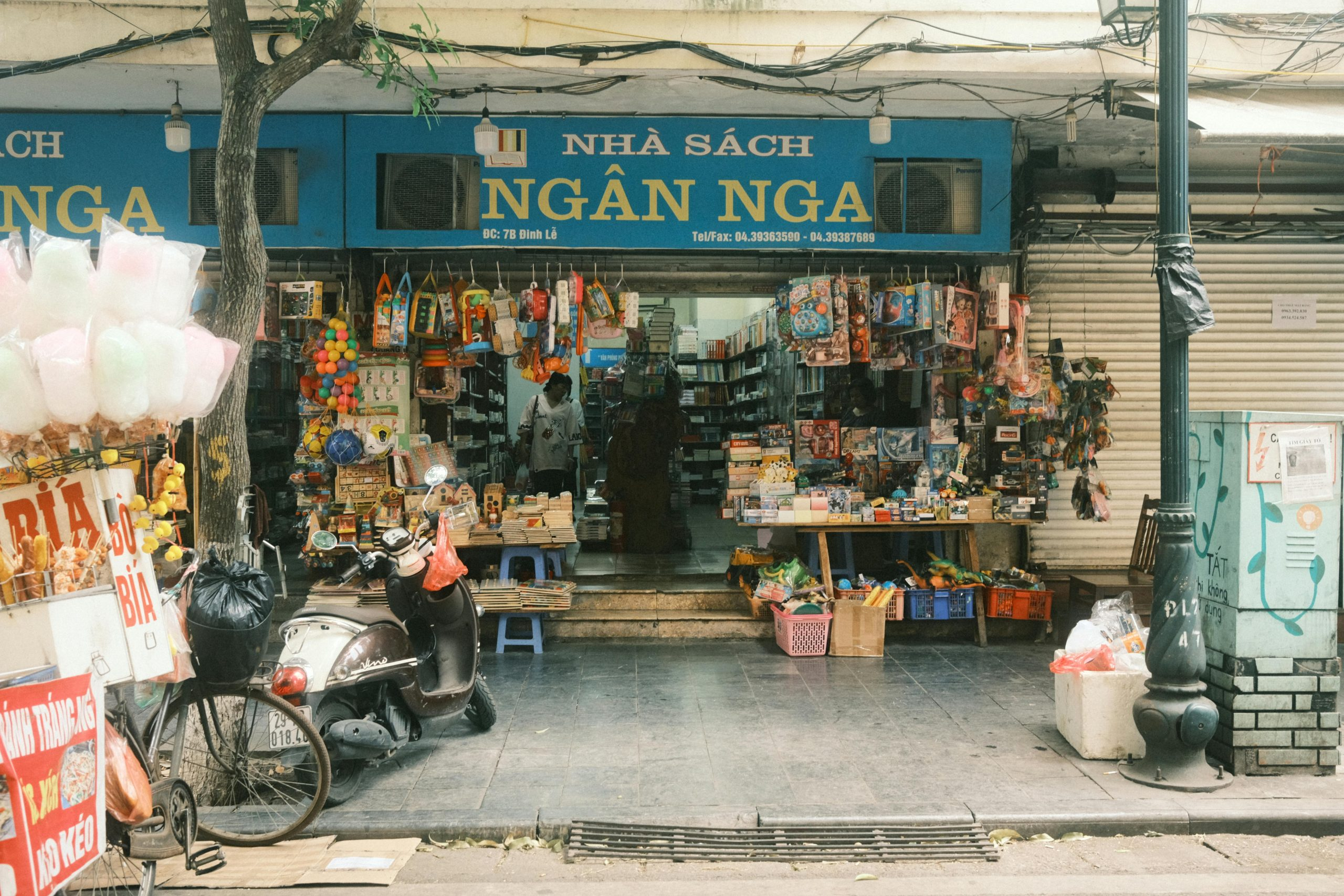
    Finding Rare Books Within Dusty Local Neighborhood Thrift Stores

    As book lovers, we know the thrill of finding a rare book. That feeling of excitement and accomplishment when stumbling upon a hidden gem in a dusty thrift store is unmatched. But with the rise of online bookstores, it may seem like finding rare books within local neighborhood thrift stores is a thing of the past. However, that could not be further from the truth. In fact, these overlooked stores are a great source for finding rare books if you know where to look and what to look for. In this article, we will give you some tips on how to find rare books within dusty local neighborhood thrift stores and add to your beloved collection.

    Why Check Out Local Neighborhood Thrift Stores?

    You might be wondering, why bother going to thrift stores when I can easily buy books online? Well, there are several reasons why thrift stores are worth checking out for rare books:

    1. Affordable Prices

    Thrift stores are known for their affordable prices, and this applies to books as well. You are more likely to find rare books at a lower price compared to buying from a traditional bookstore or online. This is because thrift stores usually don’t have a dedicated section for rare books, so they don’t realize the true value of the books they have. Plus, you might be able to haggle for an even better deal.

    2. Hidden Gems

    The inventory of thrift stores is constantly changing, and you never know what treasures you might uncover. A book that has been sitting on the shelf for years could turn out to be worth a fortune. So, don’t underestimate the potential of finding rare books in places like these. It’s all about being in the right place at the right time.

    3. Support a Good Cause

    Many thrift stores are run by charities, and the proceeds from their sales are used for a good cause. By buying books from these stores, you are not only adding to your collection but also contributing to a noble cause.

    Where to Look for Rare Books Within Thrift Stores

    Now that you know why you should consider checking out thrift stores for rare books let’s discuss where to look for them within the store:

    1. Keep an Eye on the Bookshelves

    The most obvious place to start looking is, of course, the bookshelves. However, don’t limit yourself to just the bookshelves in the book section. Browse through other sections like home decor, antiques, and knick-knacks. Sometimes, rare books can be mixed in with these items as well.

    2. Check the Bargain Bin

    Thrift stores usually have a section dedicated to heavily discounted items, and books often make it to this bin. Even if the book seems like a common title, take a look as you never know what surprises you might find.

    3. Ask the Staff

    Don’t be afraid to ask the staff if they have any rare or antique books in store. Some might be knowledgeable about the items the store has, and they could point you in the right direction. Remember, the staff often handles a wide range of items, so they might have a good idea of what items may be rare or valuable.

    What to Look for When Searching for Rare Books

    Now that you know where to look, let’s discuss what to look for when you are searching for rare books within thrift stores.

    1. First Editions

    First editions of books are often the most valuable, so keep an eye out for them. You can usually identify them by looking at the printing date on the copyright page. If it says “First Edition” or has a number line starting with “1,” you have struck gold.

    2. Signed Copies

    Books signed by the author are highly sought after among book collectors. Look for signature inscriptions or other personalized messages on the title page, dedication page, or endpapers. Even a simple “Sincerely, [author’s name]” can add value to the book.

    3. Limited Editions

    Books that are part of a limited edition run are also considered rare. These books usually have a low print run, making them highly valued by collectors. You can often find limited editions in special editions or collector’s editions sections within thrift stores.

    4. Antiquarian Books

    Antiquarian books refer to books that are over 100 years old. These books are highly coveted by collectors, and you never know when you might find one at a thrift store. Keep an eye out for old and worn-looking books with leather binding, watermarks on pages, or hand-corrected pages.

    In Conclusion

    Thrift stores may seem like an unlikely source for finding rare books, but they are definitely worth checking out. Keep an open mind, be patient, and use the tips mentioned in this article, and you might just find your next rare book at a fraction of the cost. Happy hunting!

  • The Rise Of Direct To Consumer Brands In Modern Retail

    The Rise Of Direct To Consumer Brands In Modern Retail

    In recent years, there has been a significant shift in the retail industry. Gone are the days where consumers rely solely on traditional brick-and-mortar stores for their shopping needs. With the rise of technology and e-commerce, it has become easier for brands to connect directly with their customers. This has given birth to a new breed of retailers known as direct-to-consumer (DTC) brands. These brands have disrupted the retail landscape and are quickly gaining popularity due to their unique business model. In this article, we will explore the rise of DTC brands in modern retail and the impact they have on the industry.

    The Traditional Retail Model

    Traditionally, retail businesses operated through a multi-tier distribution system. Brands sell their products to wholesalers, who then distribute them to retailers. Retailers, in turn, sell the products to the end consumer. This model was the mainstay for decades, and it worked well for both brands and retailers. However, with the advent of technology, consumers now have access to a wide range of products and can easily compare prices and features. This has caused a shift in power from retailers to consumers.

    The Birth of DTC Brands

    DTC brands are not a new concept. In fact, they have been around for decades. However, it is only in recent years that they have gained significant traction. DTC brands are companies that sell their products directly to consumers without relying on traditional retail channels. These brands cut out the middleman and connect directly with their target audience through various digital platforms.

    The Advantages of DTC Brands

    One of the biggest advantages of DTC brands is their ability to control the entire customer experience. By eliminating the middleman, these brands have complete control over how their products are marketed, sold, and delivered. This allows them to create a more personalized and seamless experience for their customers.

    DTC brands also have better control over their pricing. In a traditional retail model, brands have to factor in the retailer’s markup, which can significantly impact the final price of the product. By selling directly to consumers, DTC brands can offer competitive pricing and even pass on the cost savings to customers.

    Furthermore, DTC brands have direct access to customer data, which they can use to personalize their marketing and tailor their products to meet consumer needs. This allows them to build a loyal customer base and create a strong brand identity.

    The Impact on Traditional Retail

    The rise of DTC brands has not gone unnoticed by traditional retailers, who are now facing increased competition. These brands are disrupting e-commerce by offering unique products and personalized shopping experiences. This has forced traditional retailers to adapt and offer more value to their customers.

    Some retailers have even started partnering with DTC brands, showcasing their products in-store or on their e-commerce platforms. This has allowed them to stay relevant and cater to the changing demands of modern consumers.

    The Future of DTC Brands in Retail

    The rise of DTC brands shows no signs of slowing down. In fact, according to a report by Digital Commerce 360, the top 100 DTC brands saw a 20.6% increase in online sales in 2019. This growth is expected to continue in the coming years as consumers become more comfortable with shopping through digital channels.

    However, this does not mean that traditional retail is dead. It simply means that retailers need to adapt to the changing landscape and find ways to coexist with DTC brands. This can be achieved through collaborations, omnichannel strategies, and a greater focus on customer experience.

    Conclusion

    The rise of DTC brands in modern retail is a testament to the power of technology and the changing preferences of consumers. With their direct-to-consumer business model, these brands have revolutionized the retail industry and forced traditional retailers to rethink their strategies. As we move towards a more digital world, it is imperative for retailers to evolve and find ways to thrive in this new era of retail.

  • How To Support Ethical Brands Without Spending A Fortune

    How To Support Ethical Brands Without Spending A Fortune

    In today’s society, there is a growing awareness and concern about the ethical and social impact of the products we buy. More and more consumers are looking to support ethical brands that align with their values and beliefs. However, with the rise of fast fashion and cheap, mass-produced goods, it can often seem like ethical products come with a hefty price tag. But the truth is, supporting ethical brands doesn’t have to break the bank. With a few simple tips and tricks, you can make a difference without spending a fortune. In this article, we’ll explore how you can support ethical brands without emptying your wallet.

    Do Your Research

    The first step in supporting ethical brands without spending a fortune is to do your research. With so many companies claiming to be ethical and sustainable, it can be challenging to know which ones truly prioritize these values. Start by reading up on different brands and their practices. Look for certifications such as Fair Trade, B Corp, or Certified Organic, which require companies to meet strict environmental and social standards. You can also check out online resources and guides that rate and review different brands based on their ethical practices.

    Shop Secondhand

    One of the simplest and most budget-friendly ways to support ethical brands is by shopping secondhand. Thrift stores, consignment shops, and online resale platforms like Poshmark and Depop all offer a wide selection of gently used clothing, accessories, and home goods. By buying secondhand, you are not only saving money, but you are also reducing the demand for new products, which helps to minimize the environmental impact of fast fashion.

    Invest in Quality, Timeless Pieces

    While fast fashion may seem like a more budget-friendly option, it often comes at a cost to both the workers who make the clothes and the environment. Instead of buying cheap, trendy items that you will wear once and then throw away, consider investing in high-quality, timeless pieces that will last for years to come. These pieces may be more expensive upfront, but in the long run, they will save you money and reduce your environmental footprint. Plus, you’ll be supporting brands that prioritize fair labor practices and use sustainable materials.

    Support Small, Local Businesses

    Another way to support ethical brands without spending a fortune is to shop small, local businesses. These businesses often have a strong focus on sustainability and ethical practices, and your money goes directly back into your community. Local farmers markets, craft fairs, and online marketplaces like Etsy are excellent places to find unique and ethically-made products without breaking the bank.

    Be Mindful of Your Consumption

    Part of supporting ethical brands is being mindful of your consumption habits and reducing waste. One way to do this is by implementing a “one in, one out” rule when purchasing new items. For every new piece of clothing or home decor you buy, donate or recycle an old one. This practice not only helps to declutter your space but also reduces the demand for new products and minimizes your environmental impact.

    Volunteer or Donate

    Supporting ethical brands doesn’t always have to involve spending money. Many ethical companies partner with charitable organizations and give back to their communities. You can support these brands by volunteering your time or donating to their causes. This not only helps to promote ethical practices, but it also allows you to get involved and make a difference without spending any money.

    Spread the Word

    Lastly, one of the most powerful ways to support ethical brands without spending a fortune is by spreading the word. Share your favorite ethical brands and products with your friends and family, and encourage them to make more conscious purchasing decisions. You can also use your social media platforms to promote ethical brands and support their message. The more people who know about these companies, the more impact they can have.

    In conclusion, supporting ethical brands doesn’t have to mean sacrificing your entire paycheck. By doing your research, shopping secondhand, investing in quality pieces, supporting small businesses, being mindful of your consumption, volunteering, and spreading the word, you can help make a positive impact without breaking the bank. As consumers, we hold a lot of power in shaping the kind of world we want to live in, and by choosing to support ethical brands, we are making a difference, one purchase at a time.

  • The Importance Of Reading The Fine Print On Return Policies

    The Importance Of Reading The Fine Print On Return Policies

    The return policy is often an overlooked factor when making purchases, but it holds significant importance. It may seem like a tedious task, but reading the fine print on return policies can save you time, money, and hassle in the long run. In this digital era, where e-commerce is flourishing, it is crucial to understand the importance of carefully reviewing return policies before making a purchase. In this article, we will delve into why reading the fine print on return policies is crucial and how it can benefit you as a consumer.

    The Cost of Ignoring Return Policies

    Before we dive into why reading the fine print on return policies is essential, let’s understand the cost of ignoring them. By not carefully reviewing return policies, you may find yourself in a scenario where you need to return or exchange a product, only to realize that it is not eligible for a refund or that the process of return is complicated and time-consuming. As a result, you may end up stuck with a product that you don’t like or cannot use, leading to wasted money and a bad shopping experience.

    The Importance of Reading the Fine Print

    Clear Understanding of Return Policies

    By reading the fine print, you gain a clear understanding of the return policies of the company. Most retailers have their return policies listed on their website, but it can be easy to miss or skim through them. By taking the time to read and understand the policies, you know what you are agreeing to when making a purchase. This way, you can avoid any surprises or disappointments in case you need to return or exchange a product.

    Know What is Eligible for Return or Exchange

    Return policies vary from company to company, and some items may not be eligible for return or exchange. By reading the fine print, you can find out which items are eligible for return or exchange, and under what conditions. This knowledge allows you to make informed decisions when making a purchase, especially when buying items like electronics or clothing, which may have specific return policies.

    Understand the Return Process

    Return policies also outline the steps and procedures for returning a product. By reading the fine print, you can familiarize yourself with these processes and make sure you follow them correctly. Failure to comply with the return process stated in the fine print may result in your return request being denied, causing unnecessary delays and frustration.

    Avoid Hidden Fees and Restocking Charges

    Return policies often mention any hidden fees or restocking charges that may apply to returns. By reading the fine print, you can avoid any surprises that may result in additional costs. Some retailers may charge a restocking fee for returned items, which can range from 15% to 25% of the product’s purchase price. By knowing about these charges beforehand, you can decide whether the return is worth the extra cost or not.

    Protect Yourself As a Consumer

    Return policies are not only crucial for the retailer but also protect you as a consumer. By understanding and adhering to the policies, you can ensure that you receive a fair and hassle-free return experience. It also prevents any potential fraud or scams, as some retailers may have stricter policies for returning opened or used products.

    Tips for Reading Return Policies

    Now that we understand the importance of reading the fine print on return policies let’s look at some tips to make the process easier and more efficient.

    Read the Policy Before Making a Purchase

    The best time to read the return policy is before making a purchase. This way, you can decide whether the terms and conditions of the policy are acceptable to you or not. If not, you still have the option to shop at a different retailer.

    Look for Key Phrases

    When reading return policies, pay attention to key phrases like “timeframe,” “condition,” and “refunds.” These phrases dictate the terms and conditions under which a product can be returned, the state of the product when it is returned, and the type of refund you may receive. These key phrases can help you understand the policy better and make an informed decision.

    Check for Exceptions or Exclusions

    Return policies usually have exceptions or exclusions, such as holiday-specific return policies or specific products that cannot be returned. Make sure to read for any exceptions or exclusions to avoid any surprises.

    Clarify Any Doubts

    When in doubt, contact customer service or ask for clarification from the retailer. It is better to be sure of the return policy before making a purchase than being caught off guard later.

    In Conclusion

    Reading the fine print on return policies is essential for every consumer. It helps you make informed decisions, avoid unnecessary costs and delays, and protects you as a consumer. So, the next time you make a purchase, remember to take a few minutes to read and understand the return policy. Trust us; it will save you time, money, and hassle in the long run.

  • How To Shop For A Used Car With Total Confidence

    How To Shop For A Used Car With Total Confidence

    When it comes to buying a used car, many people are filled with anxiety and fear. You never know what you’re truly getting, and there’s always a risk of being scammed or sold a lemon. However, with the right preparation and knowledge, you can shop for a used car with total confidence. In this article, we’ll discuss the steps you need to take to ensure a successful and stress-free used car buying experience. From setting a budget to checking the car’s history, you’ll learn all you need to know to make an informed and confident purchase. So let’s get started!

    Set a Realistic Budget

    Before you start your search for a used car, it’s crucial to determine your budget. This will help you narrow down your options and prevent you from overspending. Consider your monthly expenses and how much you can realistically afford to pay for a car without compromising your financial stability.

    It’s also important to keep in mind that the initial cost of the car is not the only expense you’ll have. You’ll also need to factor in ongoing maintenance and potential repair costs. Don’t stretch yourself too thin financially just to buy a car, as it may end up costing you more in the long run.

    Research and Compare Models

    Once you have a budget in mind, it’s time to research and compare different car models. Look for cars that fall within your price range and meet your needs and preferences. Consider factors such as fuel efficiency, safety ratings, and available features.

    It’s also a good idea to read reviews and opinions from other buyers about the models you’re interested in. This will give you a better understanding of the car’s performance and any potential issues you should be aware of.

    Get a Vehicle History Report

    When shopping for a used car, it’s essential to get a vehicle history report. This report will provide you with valuable information about the car’s past, including any accidents, repairs, and ownership history. It will also let you know if the car has a clean title or if it has been salvaged.

    You can obtain a vehicle history report from various companies, such as Carfax or AutoCheck, by inputting the car’s VIN number. This small investment can potentially save you from buying a car with hidden issues.

    Take a Test Drive

    Never purchase a used car without taking it for a test drive first. This will allow you to get a feel for the car’s handling, acceleration, and overall condition. Pay attention to any unusual noises or vibrations and make sure all the features and functions are working correctly.

    If possible, take the car on different types of roads to see how it performs in different situations. This will give you a better idea of its overall performance and if it meets your expectations.

    Have the Car Inspected by a Mechanic

    Even if a car looks and drives well, it’s always a good idea to have it inspected by a professional mechanic. They’ll be able to detect any potential issues that may not be visible to the untrained eye. If the seller is not willing to allow an inspection, this may be a red flag, and you should walk away from the deal.

    It’s worth spending a little extra to have the car checked out, as it can save you from future headaches and expensive repairs.

    Negotiate the Price

    Once you’ve found a used car that meets your criteria, it’s time to negotiate the price. Don’t be afraid to haggle and offer a lower price than what is being asked. You can use the information you’ve gathered from your research to justify your offer.

    If the seller is not willing to negotiate, consider walking away or finding a different car. There are plenty of used cars on the market, and you should never feel pressured into buying one that is overpriced.

    In Conclusion

    Shopping for a used car can be a daunting task, but it doesn’t have to be. By following the steps outlined in this article, you can shop for a used car with total confidence. Remember to set a realistic budget, research and compare different models, get a vehicle history report, take a test drive, and have the car inspected by a mechanic. By taking these precautions and being prepared, you can make an informed and confident purchase that you can feel good about for years to come.

  • Finding Comfortable And Stylish Shoes Through Detailed Online Research

    Finding Comfortable And Stylish Shoes Through Detailed Online Research

    When it comes to finding the perfect shoes, comfort and style are key factors that are often hard to come by. Many people struggle to find shoes that not only look good, but also feel good. Often, people compromise one for the other, sacrificing their feet’s comfort for the sake of fashion. However, with the growing popularity of online shopping, it has become easier to find fashionable and comfortable shoes without having to compromise. Through detailed online research, you can now find the perfect pair of shoes that meet both your style and comfort needs. In this article, we will delve into the different ways to use Google SEO to help you find comfortable and stylish shoes through detailed online research.

    Understanding Google SEO

    Before we dive into how Google SEO can help you find the perfect shoes, it is important to have a basic understanding of what it is. SEO (Search Engine Optimization) is the process of optimizing a website or web content to increase its visibility on a search engine’s organic (unpaid) results. This means that by using certain SEO techniques, you can improve your website’s ranking on search engine results pages (SERPs), making it more likely to appear on the first page. Google SEO specifically focuses on optimizing a website for Google’s search engine, as it is the most widely used search engine worldwide.

    How Google SEO Can Help You Find Comfortable And Stylish Shoes

    1. Use Relevant Keywords

    In order for a website to appear on Google’s first page, it needs to have relevant keywords that match what the user is searching for. When looking for comfortable and stylish shoes online, make sure to use specific keywords such as “comfortable and stylish shoes”, “fashionable and comfortable shoes”, or “comfortable shoes for women/men”. This will help filter out generic shoe websites and bring up options that specifically cater to your needs.

    2. Utilize Google’s “Shopping” Feature

    Google’s “Shopping” feature allows users to search for products and compare prices from different retailers all in one place. This makes it easier to find the best deals and options for comfortable and stylish shoes. Through this feature, you can filter your search by price, brand, size, and style, making it easier to find shoes that fit your budget and preferences.

    3. Read Product Reviews

    Product reviews are a great way to get a better understanding of the quality and comfort of a specific shoe. Most online retailers have a review section where customers can leave feedback about their experience with a particular product. Make sure to read through these reviews to get a better understanding of the overall customer satisfaction and any potential issues with the shoe. This will help you make a more informed decision when making your purchase.

    4. Explore Different Retailers

    There are many online retailers that specialize in comfortable and stylish shoes. Take the time to explore different websites and their offerings. Don’t limit yourself to just one retailer, as you may miss out on a better deal or a shoe that is more suitable for your needs. Google’s search engine will bring up multiple options, so take advantage of it and browse through different websites to find the perfect pair of shoes.

    Final Thoughts

    In conclusion, finding comfortable and stylish shoes through detailed online research is not as challenging as it seems. By utilizing Google SEO and following the tips mentioned above, you can easily find the perfect pair of shoes that meet your comfort and style needs. Remember to take your time and thoroughly research your options to ensure that you find the best quality and most suitable pair of shoes for you. With the help of Google SEO, you can now have both comfort and style in your footwear.

  • The Role Of Artificial Intelligence In Predicting Future Fashion Trends

    The Role Of Artificial Intelligence In Predicting Future Fashion Trends

    When considering future fashion trends, one may automatically think of fashion designers, influencers, and trendsetters. However, in today’s increasingly digital world, another crucial player has emerged in the fashion industry: artificial intelligence (AI). From predicting consumer preferences to aiding in the design process, AI is revolutionizing the way fashion trends are identified and created. In this article, we will dive into the role of artificial intelligence in predicting future fashion trends and the impact it is having on the industry.

    The Rise of AI in the Fashion Industry

    In recent years, AI has made its way into various industries, and fashion is no exception. With the vast amount of data readily available, fashion companies are turning to AI for assistance in predicting future trends and understanding consumer behavior. By analyzing large sets of data, AI algorithms can identify patterns and make accurate predictions about what consumers will be interested in purchasing.

    Predicting Consumer Preferences

    One of the ways AI is being utilized in the fashion industry is to predict consumer preferences. Through machine learning algorithms, AI can analyze data from social media, fashion magazines, and e-commerce websites to understand what styles and trends are gaining popularity. This data is then used to recommend products and create personalized shopping experiences for consumers.

    For example, fashion retailer H&M implemented an AI-powered chatbot that recommends clothing items based on customer preferences and style. This has resulted in increased customer engagement and sales for the brand. Similarly, luxury fashion brand Burberry uses AI to analyze social media data to understand what consumers are saying about their products and how to better cater to their needs.

    Streamlining the Design Process

    AI is also playing a significant role in the design process for fashion companies. Designing clothing and accessories can be a time-consuming and expensive process, but with the help of AI, it can be streamlined. By using algorithms to analyze fashion trends, colors, and styles, AI can assist designers in creating collections that are more likely to be successful in the market.

    One notable example of this is the partnership between fashion brand Tommy Hilfiger and AI technology company, Expertmaker. Together, they developed an AI platform that helps designers determine what styles and colors will likely be popular for their upcoming collections. This has resulted in faster and more accurate trend predictions, leading to increased sales for the brand.

    The Impact of AI on the Fashion Industry

    The integration of AI in the fashion industry has had a significant impact on how trends are identified and created. It has not only made the process more efficient and accurate, but it has also opened the doors for more sustainable practices in the industry.

    Efficiency and Accuracy

    Before the use of AI, fashion companies relied heavily on trend forecasting, which often involved hiring expensive trend consultants and analyzing data manually. This process was time-consuming and not always accurate. With AI, trend predictions can be made in a quicker and more cost-effective way, with a higher level of accuracy.

    Sustainability

    In addition to efficiency and accuracy, AI has also played a role in making the fashion industry more sustainable. By accurately predicting future trends, companies can avoid overproduction, resulting in less waste. AI can also assist in creating more sustainable designs by analyzing data on the use of materials and production methods.

    Furthermore, AI has the potential to reduce the carbon footprint of the fashion industry by optimizing logistics and reducing the need for physical samples. This can help reduce the environmental impact of the fashion industry, which is known for its high levels of pollution and waste.

    In Conclusion

    The use of AI in predicting future fashion trends is a game-changer for the industry. It has not only made the process more efficient and accurate, but it has also opened up new opportunities for sustainability. As technology continues to advance, we can expect AI to play an even more significant role in shaping the future of fashion.

  • How To Navigate Huge Outlet Malls For Real Designer Savings

    How To Navigate Huge Outlet Malls For Real Designer Savings

    If fashion is your passion, then outlet malls are a shopper’s paradise. These sprawling complexes are a haven for finding designer labels at a fraction of their original cost. With hundreds of stores offering discounted merchandise, navigating through these massive shopping centers can be overwhelming. But with a few tips and tricks up your sleeve, you can navigate your way to real designer savings. In this article, we’ll show you how to master the art of shopping at huge outlet malls and score those sought-after designer bargains.

    The Importance of Research Before Visiting an Outlet Mall

    If you’re planning to hit up a large outlet mall, it’s crucial to do some research beforehand. Don’t just head to the mall without a plan, or you’ll end up feeling lost and frustrated. Start by checking the mall’s website to get a list of all the stores that they have. This will help you prioritize which stores you want to visit based on the brands and products you’re looking for.

    Next, check for any special promotions or sales that the mall might be running. Some outlet malls have VIP programs or apps that offer additional discounts and perks. Sign up for these programs beforehand to take advantage of these offers. Also, take note of the mall’s opening and closing times, as some stores may have different operating hours than the mall itself.

    Plan Your Route Based on Store Layout

    Once you have an idea of the stores you want to visit, it’s time to plan your route within the mall. Most outlet malls have a map available on their website or at the information desk. Use this map to plot out the most efficient route based on the store layout.

    Start from one end of the mall and work your way through each section. This will save you from crisscrossing the mall and wasting time. You should also consider going against the flow of traffic. Most shoppers tend to start from one end and work their way to the other, which means stores in the middle of the mall might be less crowded and could have better deals.

    Shop at Off-Peak Times

    Avoid visiting outlet malls on weekends and holidays. These are the busiest times, and you’ll likely encounter long lines, overcrowded stores, and picked-through merchandise. Instead, go on a weekday when the crowds are thinner, and the stores are fully stocked. You’ll also have more time to browse and try on items without feeling rushed.

    Another advantage of shopping at off-peak times is that you might be able to negotiate for better deals. As the malls get less traffic, store employees are more likely to be open to bargaining, especially if you’re purchasing multiple items.

    Look for Previous Season’s Merchandise

    Contrary to popular belief, outlet malls do not sell damaged or defective products. Most of the items sold at these malls are overstock or previous seasons’ merchandise. This means you can find items that were once full-price at regular retail stores at significantly discounted prices.

    Don’t shy away from items that are a season or two old. Classic styles and timeless pieces never go out of fashion, and you’ll be getting a designer item at a steal. Plus, if you’re lucky, you might even score some unique pieces that are no longer in production.

    Check for Quality

    Just because an item is from a designer brand doesn’t mean it’s automatically high-quality. Some outlet stores produce specific lines of products specifically for outlet malls, which may not be of the same quality as their regular retail products. Take your time to inspect the items you’re interested in purchasing. Check for any defects, loose threads, or damaged zippers before making a purchase.

    If you’re unsure about the quality of an item, take a photo and do some quick research on your phone. You can also ask the employees about the product’s origin or any defects, and they should be able to provide you with information.

    Sign Up for Store Newsletters

    Most outlet stores have email newsletters that they send out to their customers. Sign up for these newsletters to stay in the loop about any upcoming deals or promotions. You can also follow your favorite outlet mall and stores on social media to get real-time updates on flash sales and discounts.

    Final Thoughts

    Navigating huge outlet malls for real designer savings may seem daunting, but with a little research and planning, you can score some amazing deals. Be sure to keep an open mind, inspect items before purchasing, and take advantage of any promotions or sales. Happy shopping!

  • The Benefits Of Buying In Bulk For Large Households

    The Benefits Of Buying In Bulk For Large Households

    Are you tired of making so many trips to the grocery store every week to stock up on essentials for your large household? Have you considered buying in bulk to not only save time, but also money? Buying in bulk may seem like a daunting task, especially when you have a large household to feed. However, the benefits of buying in bulk for large households cannot be ignored. In this article, we will explore the various advantages of purchasing in bulk for your large household. So, grab your shopping list and let’s dive into the world of buying in bulk.

    The Convenience of Having Stock on Hand

    One of the biggest benefits of buying in bulk for large households is the convenience it offers. When you buy in bulk, you are purchasing a large quantity of a product that will last you for a longer period of time. This means you will have a stock of essential items at all times, without the hassle of running out to the store every time you run low on supplies.

    Save Time and Money

    Buying in bulk not only saves time, but it also saves money. When you have a large household, you tend to consume products at a faster rate. By buying in bulk, you are purchasing larger quantities of the product at a lower price per unit. This can add up to significant savings over time. Additionally, buying in bulk eliminates the need for frequent trips to the store, which not only saves you time, but also reduces transportation costs.

    Reduce Packaging Waste

    Purchasing products in bulk also has a positive impact on the environment. By buying in bulk, you are reducing the amount of packaging waste that is generated. Instead of multiple smaller packages, you will have one large packaging that will last you longer. This means less plastic, paper, and other materials used for packaging, which in turn reduces your carbon footprint.

    Stock Up on Non-Perishable Items

    Another benefit of buying in bulk for large households is the ability to stock up on non-perishable items. Non-perishable items, such as canned goods, dry pasta, and rice, have a longer shelf life and can be stored for a longer period of time. By buying in bulk, you can stock up on these items and have a supply on hand for when you need them.

    Emergency Preparedness

    Besides having a supply on hand for regular use, buying in bulk can also help in times of emergencies. In case of a natural disaster or an unexpected situation where you are unable to leave your house, having a stock of non-perishable items can be a life-saver. It ensures that you and your family have ample food and supplies to last until the situation returns to normal.

    Buying in Bulk for Large Households: Things to Consider

    Before jumping into buying in bulk for your large household, there are a few things you should consider to make the most out of this practice.

    Storage Space

    Buying in bulk means purchasing larger quantities of a product, which in turn requires more storage space. Make sure you have enough space to store your bulk purchases before making a purchase. This can include pantry space, fridge space, and freezer space, depending on the type of products you are buying.

    Frequency of Use

    When considering buying in bulk, keep in mind the frequency of use of the product. If it is something you use on a daily basis, then buying in bulk makes sense. However, if it is something you use once in a while, it might not be worth buying in bulk as it will take up storage space and may go to waste.

    Conclusion

    Buying in bulk for a large household has numerous benefits, such as convenience, time and money savings, and a positive impact on the environment. However, it is important to consider various factors before making bulk purchases to ensure that you are getting the most out of this practice. So, next time you are at the store, consider buying in bulk and see the difference it can make in your household. Happy shopping!

  • Mastering The Art Of Coupon Stacking For Maximum Discounts

    Mastering The Art Of Coupon Stacking For Maximum Discounts

    Coupon stacking is a tried and true method for maximizing savings when shopping. By strategically using multiple coupons on a single purchase, savvy shoppers can easily save a significant amount of money on their total bill. However, mastering the art of coupon stacking takes some knowledge and practice. In this article, we will explore the ins and outs of coupon stacking and provide tips on how to become a coupon stacking pro for maximum discounts.

    What is Coupon Stacking?

    Coupon stacking refers to the process of using multiple coupons on a single purchase. This is usually done by combining a store coupon with a manufacturer’s coupon. However, it can also involve using more than one store coupon or combining different types of coupons, such as a percentage off coupon with a dollar amount off coupon.

    The Benefits of Coupon Stacking

    The most obvious benefit of coupon stacking is the potential for substantial savings. By using multiple coupons, shoppers can significantly reduce their total bill and get more for their money. In addition, coupon stacking can also help clear out your coupon stash. When you find yourself with multiple coupons for the same product, stacking them can help you make the most out of your savings.

    Types of Coupons for Stacking

    – Store Coupons

    Store coupons are essentially discounts offered by the retailer itself. They typically have the store’s name on them and are only valid at that specific store. These coupons can often be found in store flyers, email newsletters, and on the retailer’s website.

    – Manufacturer’s Coupons

    Manufacturer’s coupons are issued by the company that produces the product, and can usually be found in newspapers, magazines, or online. Unlike store coupons, manufacturer’s coupons can be used at any store that carries the product.

    – Store Loyalty/Rewards Programs

    Many stores offer loyalty or rewards programs that provide additional discounts and perks to frequent shoppers. These programs often include digital coupons that can be stacked with other coupons for even more savings. Make sure to sign up for these programs to take advantage of their benefits.

    Tips for Mastering Coupon Stacking

    – Understand Store Policies

    Before you start stacking coupons, make sure you familiarize yourself with the store’s policies regarding coupon stacking. Some stores have strict rules on how many coupons can be used per purchase, while others may have limitations on the type of coupons that can be stacked. Knowing the rules will help you avoid any issues at the checkout.

    – Check for Exclusions

    Certain coupons may have exclusions or restrictions, so always make sure to read the fine print. For example, a coupon may not be valid on sale items, or it may have a minimum purchase requirement. Be aware of these limitations and plan your purchases accordingly.

    – Time Your Purchases

    To maximize your savings, try to time your purchases when the store is offering additional discounts or promotions. For example, if the store is running a buy one, get one free sale, you can use multiple coupons to stack on top of the sale price for even more savings.

    – Use Coupon Apps and Websites

    There are many coupon apps and websites available that can help you find and organize your coupons for easy stacking. These tools can also alert you to sales and promotions, and provide you with additional digital coupons to use.

    – Don’t Let Coupons Expire

    Be mindful of coupon expiration dates and don’t let them go to waste. If you have a stack of coupons that are about to expire, consider using them in one transaction to get the most out of your savings.

    In Conclusion

    Coupon stacking is a great way to save money when shopping, but it does require planning and organization. By understanding the different types of coupons and how to stack them effectively, you can become a master of coupon stacking and unlock maximum discounts on your purchases. With a little practice, you’ll be well on your way to saving big on your shopping trips.