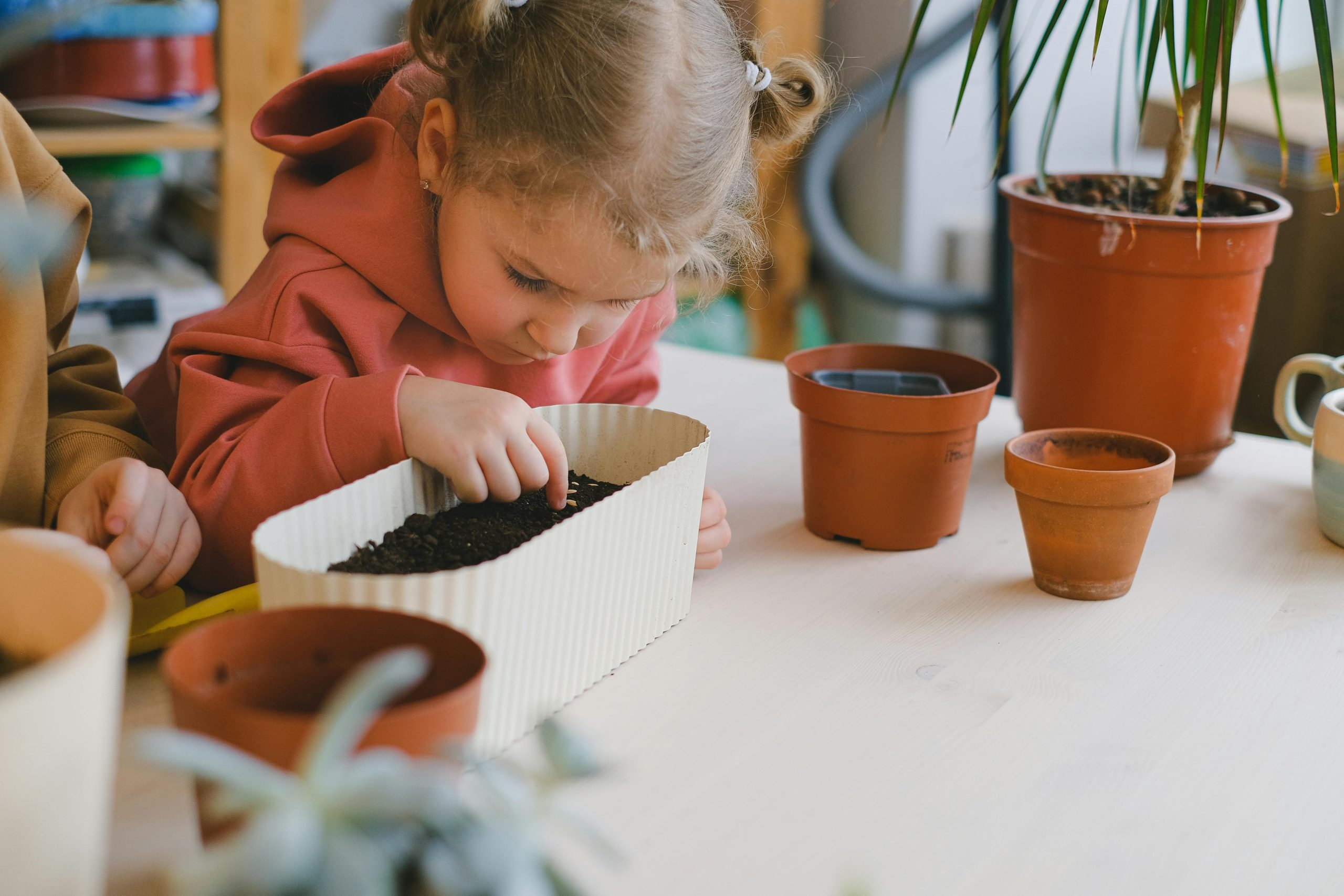
Curiosity is a quintessential trait in every human being. It is a unique aspect of our psyche that drives us to seek new information, explore our surroundings, and make sense of the world around us. As adults, we often try to foster this trait in children through structured activities and tasks. However, what if we told you that there is a better way? Unstructured exploration in early years has been proven to be the most effective way to cultivate curiosity in children. In this article, we will explore the benefits of unstructured exploration and how it can be used to foster curiosity in young minds.
The Importance of Curiosity
Before delving into the benefits of unstructured exploration, we must first understand why curiosity is such an important trait to cultivate. Curiosity is the foundation of learning and discovery. It drives children to ask questions, seek answers, and make connections. It is also closely linked to creativity and problem-solving skills. Children who are naturally curious are more likely to engage in imaginative play and come up with unique solutions to problems.
Moreover, curiosity also plays a crucial role in a child’s overall development. It helps them develop a growth mindset, where they are not afraid to make mistakes and learn from them. It also instills a sense of wonder and awe, which can lead to a lifelong love for learning. Thus, it is essential to nurture and encourage curiosity in children from a young age.
The Problem with Structured Activities
In an attempt to cultivate curiosity, many parents and educators turn to structured activities and tasks. While these activities may have their benefits, they also have significant limitations. Structured activities often have predetermined outcomes, which limit a child’s exploration and learning. This can stifle a child’s natural curiosity and prevent them from fully exploring their surroundings.
Moreover, structured activities can also lead to perfectionism and fear of failure in children. When tasks are structured, there is little room for mistakes, and children may feel discouraged from trying new things for fear of not meeting the predetermined outcome. This restricts their natural sense of curiosity and leaves them with little room to explore and learn.
The Power of Unstructured Exploration
In contrast, unstructured exploration allows children to lead their learning, follow their natural curiosity, and make their discoveries. According to research, unstructured play and exploration have been linked to increased imagination, creativity, problem-solving skills, and self-confidence in children. When children are given the freedom to explore their surroundings, they can engage in imaginative play, experiment with materials, and come up with unique solutions to problems.
Unstructured exploration in early years also encourages children to ask questions and seek answers independently. It gives them the freedom to explore their interests and make their connections, leading to a more profound understanding of the world around them. Moreover, it also allows children to make mistakes and learn from them, instilling a growth mindset and promoting creative thinking.
How to Foster Unstructured Exploration
Now that we understand the benefits of unstructured exploration, the question arises, how can we foster it in children? The first step is creating a safe and stimulating environment that encourages exploration. Children should have access to a variety of materials and open-ended resources that they can use to create, experiment and explore.
Another crucial aspect is allowing children the time and space to engage in unstructured play. This means limiting the use of technology and scheduling free playtime in a child’s routine. Giving children the flexibility to choose their activities and interests is also essential in fostering unstructured exploration.
The Role of Adults
While unstructured exploration relies on children having the freedom to lead their learning, adults still play a crucial role. As adults, it is our responsibility to create a supportive and nurturing environment that encourages children to explore. We must also be mindful not to disrupt children’s play or impose our ideas and expectations on them. Instead, we should observe and support them from a distance, only stepping in when necessary.
In Conclusion
In a world where structure and perfectionism are often encouraged, it is essential to remember the power of unstructured exploration in cultivating curiosity in children. By providing them with the time, space, and resources to explore their interests freely, we can foster a love for learning, creativity, and problem-solving skills in children from a young age. Let’s make room for unstructured exploration in early years and watch our children’s curiosity and imagination soar.
Leave a Reply