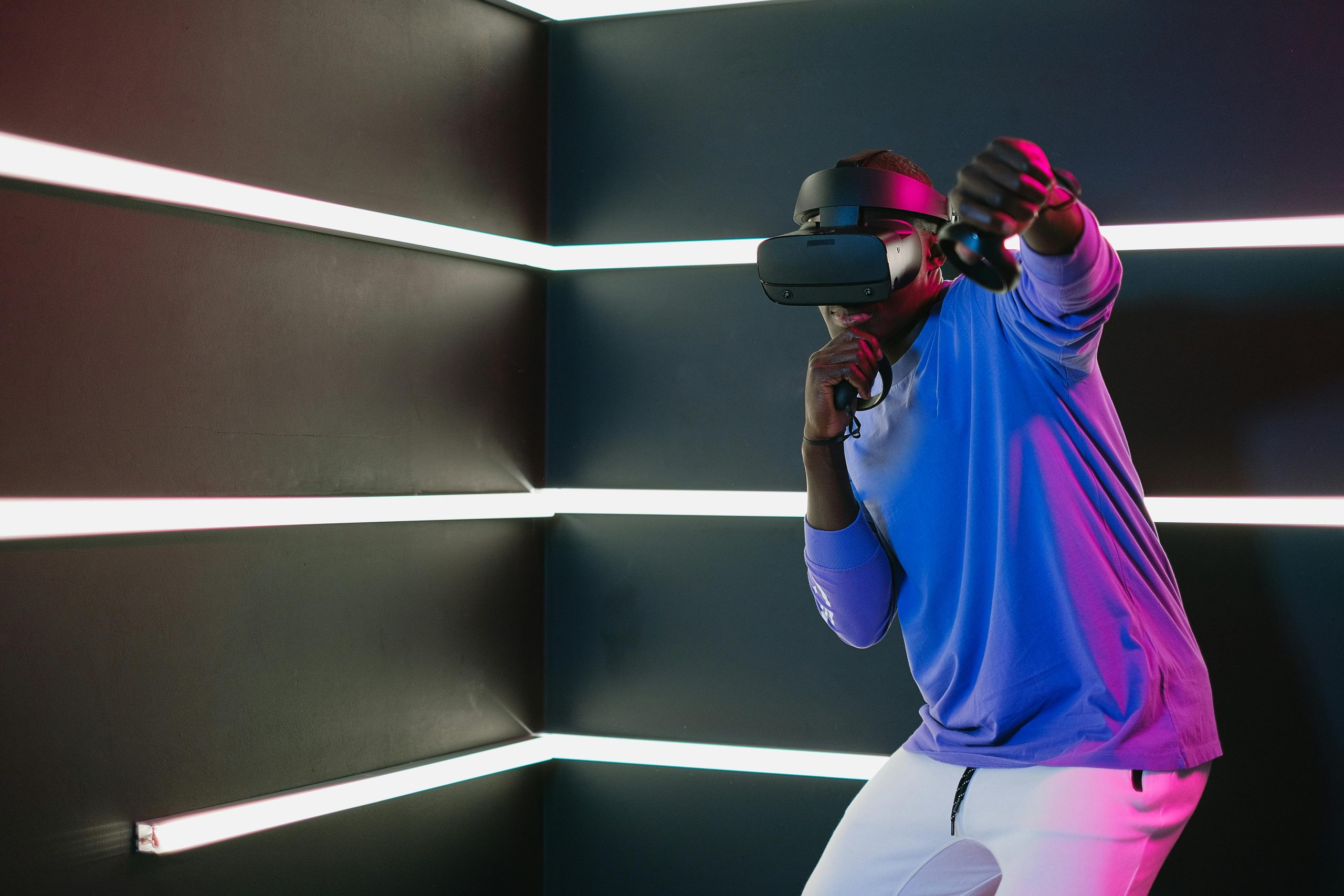
In recent years, there has been a significant shift in the way lessons are taught in classrooms around the world. The traditional whiteboard, which has been a staple in classrooms for decades, has been replaced by a more advanced and interactive version – the interactive whiteboard. This technological advancement has not only changed the way teachers conduct lessons, but it has also revolutionized the learning experience for students. In this article, we will explore how interactive whiteboards have changed the dynamic of modern lessons and the impact it has on education.
The Evolution of Whiteboards
Before we dive into the specifics of interactive whiteboards, let’s take a moment to understand how the traditional whiteboard functioned. A traditional whiteboard is a large, rectangular board that is used to display information, write notes or diagrams, and interact with students during lessons. It was an improvement from the chalkboard, which was widely used in classrooms before. While the traditional whiteboard had its benefits, it was limited in its capabilities. Teachers were limited to using markers and erasers to write and erase information, which made it challenging to keep students engaged.
The first iteration of interactive whiteboards was introduced in the 1990s, but it wasn’t until the early 2000s that it gained traction in classrooms. Interactive whiteboards combine the functionality of traditional whiteboards with advanced technology and software, creating a more dynamic and interactive learning environment.
The Benefits of Interactive Whiteboards
The introduction of interactive whiteboards has transformed the classroom experience for both teachers and students. These are some of the key benefits of using interactive whiteboards in modern lessons:
Increased Engagement
Unlike traditional whiteboards, interactive whiteboards allow teachers to incorporate multimedia elements such as videos, animations, and games, making the lessons more interactive and engaging. This, in turn, holds students’ attention for more extended periods, leading to better retention of information.
Enhanced Collaboration
Interactive whiteboards also promote collaboration between teachers and students. Teachers can invite students to come up to the board and interact with the lesson content, thereby encouraging students to participate and contribute actively. This feature is particularly beneficial for students who are shy or may struggle to engage in a traditional classroom setting.
Real-time Feedback
Another advantage of interactive whiteboards is that they allow for real-time feedback. With the use of software and applications, teachers can conduct quizzes and polls during lessons to assess students’ understanding. The results are displayed instantly on the interactive whiteboard, allowing teachers to readjust their teaching methods accordingly.
Access to Online Resources
Interactive whiteboards also open up a world of online resources that can enhance the learning experience. Teachers can supplement their lessons with educational videos, online articles, and interactive games, making the lessons more comprehensive and engaging.
The Impact on Education
The integration of interactive whiteboards in modern lessons has had a significant impact on education. Here are some ways it has changed the dynamic of classrooms:
Increased Student Participation
Interactive whiteboards make lessons more fun and engaging, which leads to increased student participation. Students are more likely to take an interest in the lesson and participate actively when they are actively involved in the learning process. This, in turn, boosts their confidence and helps them retain information better.
Differentiated Learning
The use of interactive whiteboards also allows for differentiated learning, as teachers can adapt lesson content based on students’ individual needs. With the help of various software and applications, teachers can create custom lessons that cater to students with different learning styles, making the lessons more effective.
Preparation for the Future
Technology is an integral part of our lives, and using interactive whiteboards in classrooms prepares students for the future. It equips them with essential skills such as digital literacy and critical thinking, which are crucial in today’s world.
In conclusion
Interactive whiteboards have undoubtedly changed the dynamic of modern lessons. It has made learning more engaging, collaborative, and interactive, which has had a positive impact on students’ academic performance. As technology continues to evolve, we can only imagine the limitless possibilities it holds for the future of education.
So, the next time you walk into a classroom and see an interactive whiteboard, remember the significant impact it has on enhancing the learning experience for students everywhere.
Leave a Reply