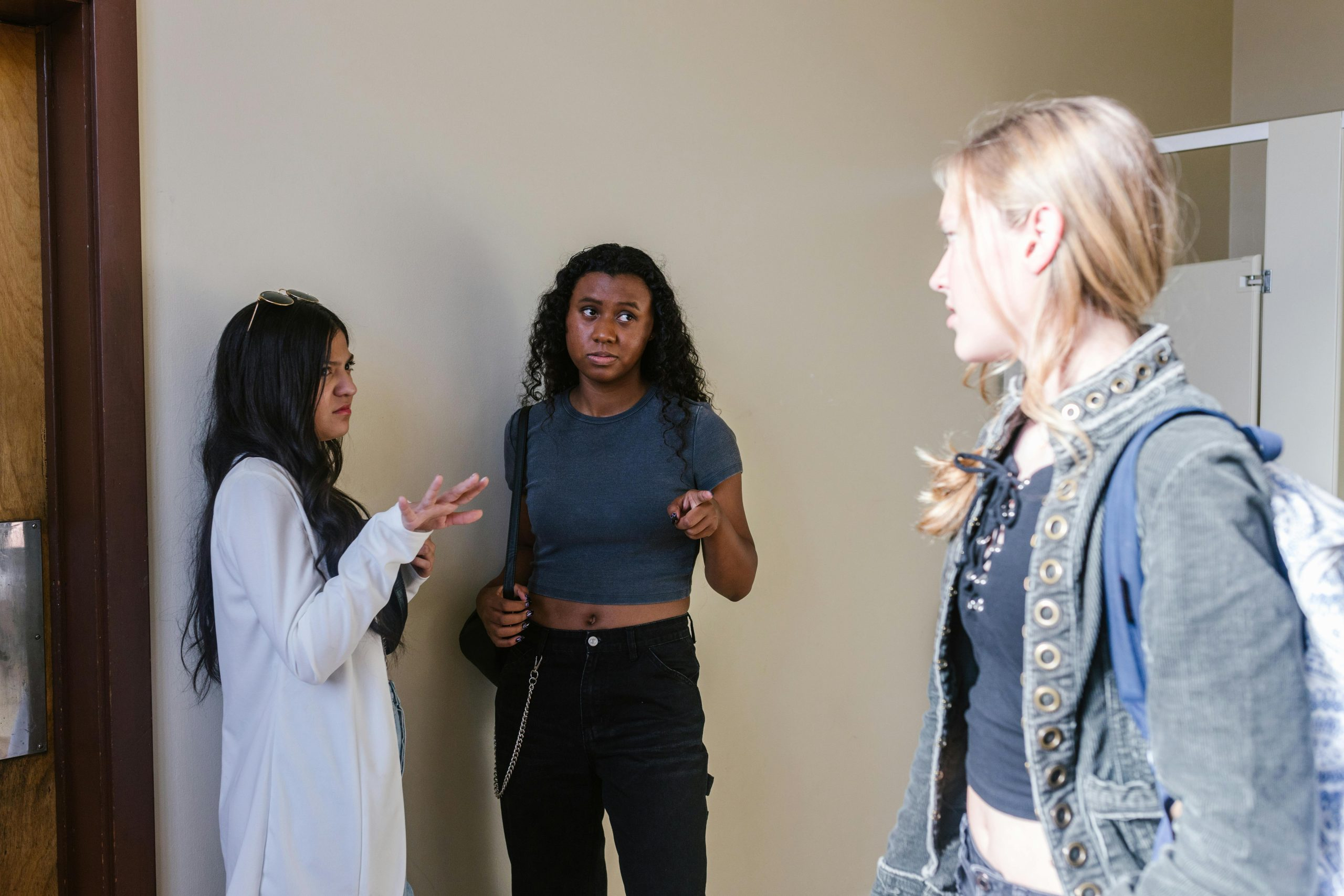
Middle school can be a challenging time for students. As they navigate the transition from childhood to adolescence, they are faced with new social dynamics, higher academic expectations, and an increased awareness of their own identities. With these changes come inevitable conflicts and disagreements, and it is crucial for schools to have effective conflict resolution programs in place to help students learn how to handle these situations in a healthy and productive manner. In this article, we will explore the importance of implementing effective conflict resolution programs in middle schools and provide practical tips for creating a program that truly makes a difference in the lives of students.
The Importance of Conflict Resolution Programs in Middle Schools
Middle school is a pivotal time for students to develop the necessary skills for resolving conflicts. As they become more independent and start to form their own opinions, they are more likely to encounter disagreements with their peers. Without proper guidance and support, these conflicts can escalate and negatively impact students’ social and emotional well-being.
Moreover, middle school is a critical time for students to learn how to communicate effectively and develop empathy for others. Conflict resolution programs provide a safe and structured environment for students to practice these skills and build emotional intelligence.
Creating a Safe and Inclusive Environment
An effective conflict resolution program should prioritize creating a safe and inclusive environment for students to share their thoughts and feelings. Middle school students are at a vulnerable age, and it is essential to establish trust and respect within the program’s setting. This means setting ground rules such as active listening, respectful language, and confidentiality.
In addition, it is crucial to consider the diverse backgrounds and experiences of students and ensure that the program is inclusive of all cultures, identities, and abilities. This can be achieved through thoughtful curriculum design and actively seeking feedback from students and their families.
Teaching Active Listening
Active listening is a vital aspect of effective conflict resolution and communication. It involves paying full attention to the speaker, clarifying and summarizing what they have said, and responding with empathy and understanding. Middle school students are still developing their communication skills, and teaching them the value of active listening can help them build stronger relationships and resolve conflicts in a more peaceful manner.
One way to teach active listening is through role-playing activities. Students can take turns being the speaker and the listener, and the facilitator can provide feedback and guidance on how to listen actively. These activities also allow students to see things from a different perspective and develop empathy for their peers.
Empowering Students to Find Solutions
An effective conflict resolution program should encourage students to find their solutions rather than imposing a predetermined solution. By empowering students to come up with their solutions, they feel more invested in the outcome and are more likely to make an effort to resolve conflicts peacefully. This also teaches them valuable problem-solving skills that they can use in other areas of their lives.
One way to encourage student-led solutions is through mediation. In this process, a neutral third party (often a school counselor or teacher) helps facilitate a conversation between conflicting parties and guides them to find a mutual solution. This method empowers students to take ownership of the conflict and work together to find a resolution.
Conclusion
Middle school students face a unique set of challenges, and conflict resolution programs play a crucial role in helping them navigate these challenges and develop essential skills for their future success. By creating a safe and inclusive environment, teaching active listening, and empowering students to find their solutions, we can create more peaceful and positive school communities. Schools must prioritize implementing effective conflict resolution programs to support the social and emotional well-being of their students.
Leave a Reply