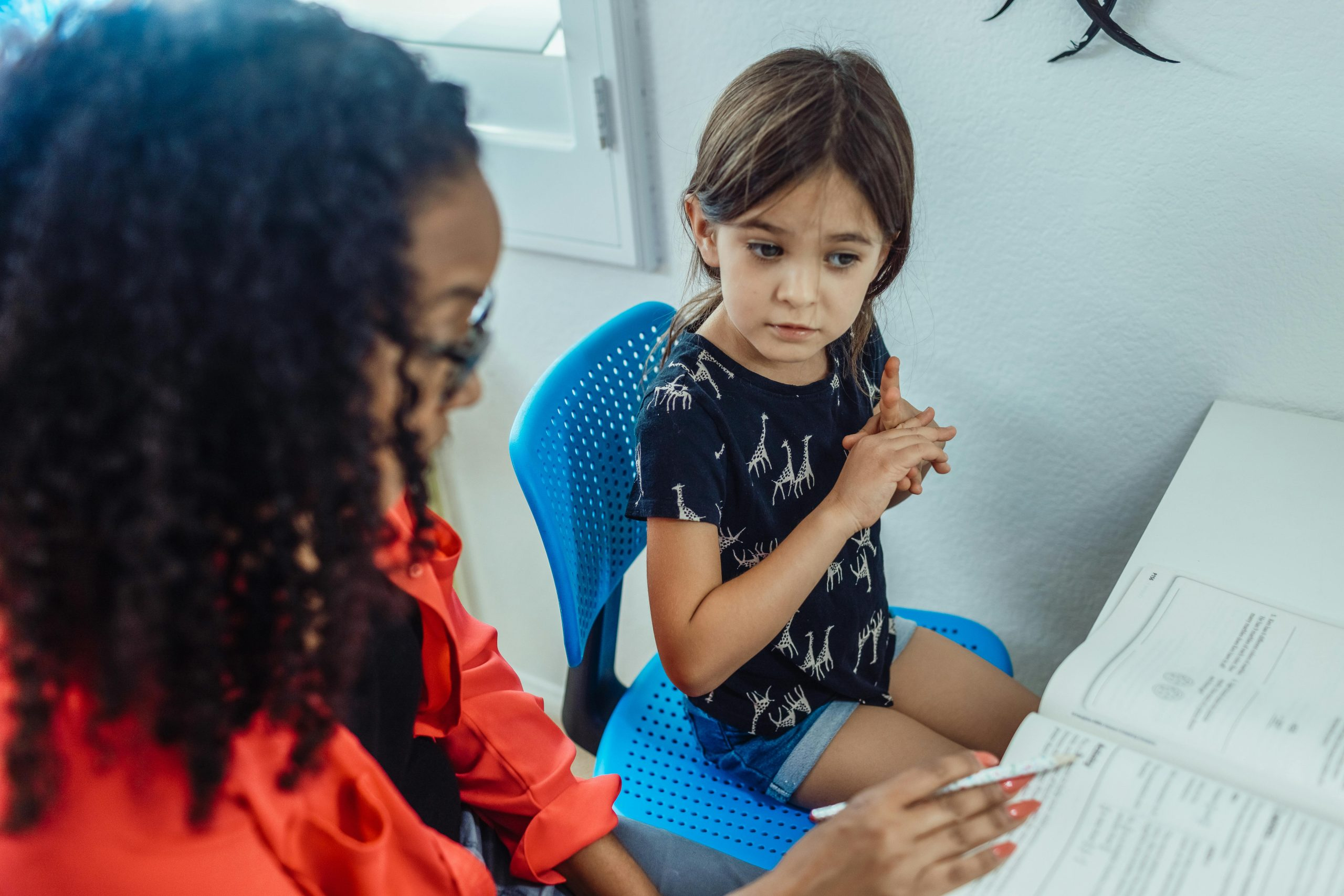
Class size has long been a debated topic in education. From arguments about resources and budget constraints to concerns about teacher-student interaction, class size has been a constant topic of discussion among educators, policymakers, and parents. The primary focus of this article is to explore the impact of class size on teacher-student interaction and how it affects the overall learning experience for students.
The Importance of Teacher-Student Interaction
Teacher-student interaction plays a crucial role in a student’s academic success. It goes beyond simply delivering lessons and engaging students in class discussions. A positive teacher-student relationship fosters a supportive learning environment, promotes student motivation and engagement, and ultimately leads to better academic outcomes.
Research suggests that students who have a good relationship with their teachers are more likely to participate in class, ask questions, and seek help when needed. This interaction also helps to create a sense of belonging and belongingness, which is essential for a student’s emotional and social development.
The Impact of Class Size on Teacher-Student Interaction
Class Size and Personalization
One of the critical factors that affect teacher-student interaction is the class size. Larger class sizes can make it challenging for teachers to focus on individual students and provide personalized attention. With more students vying for the teacher’s attention, it becomes difficult for the teacher to engage with each student and address their specific needs.
Time Constraints
In a larger class, teachers have limited time to interact with students, which can lead to rushed interactions and a less personalized approach. With a larger class, teachers have to cover more material and less time to devote to individual students, creating a more impersonal learning environment.
Discipline and Classroom Management
Larger class sizes also pose challenges for classroom management and discipline. With more students, it becomes more challenging to maintain control and keep students engaged, leading to a higher likelihood of disruptive behavior. This can take away from valuable instructional time and create a negative learning environment for students.
The Optimal Class Size
While the ideal class size may vary depending on the grade level and subject, research suggests that a smaller class size is beneficial for teacher-student interaction. Smaller classes allow teachers to give more one-on-one attention, promote more personalized learning, and create a more positive learning atmosphere.
The Role of Technology
Incorporating technology in the classroom can also help improve teacher-student interaction in larger class sizes. With various digital tools and platforms, teachers can engage with students both individually and as a whole. Additionally, technology can also help in tracking and assessing student progress, allowing teachers to provide personalized feedback and support.
Conclusion
In conclusion, class size has a significant impact on teacher-student interaction, which is crucial for a student’s academic and personal growth. As educators, it is essential to consider the class size and find ways to foster a positive teacher-student relationship, whether through smaller classes or incorporating technology in the classroom. By prioritizing teacher-student interaction, we can create a more engaging and supportive learning environment for students, ultimately enhancing their overall learning experience.
Leave a Reply