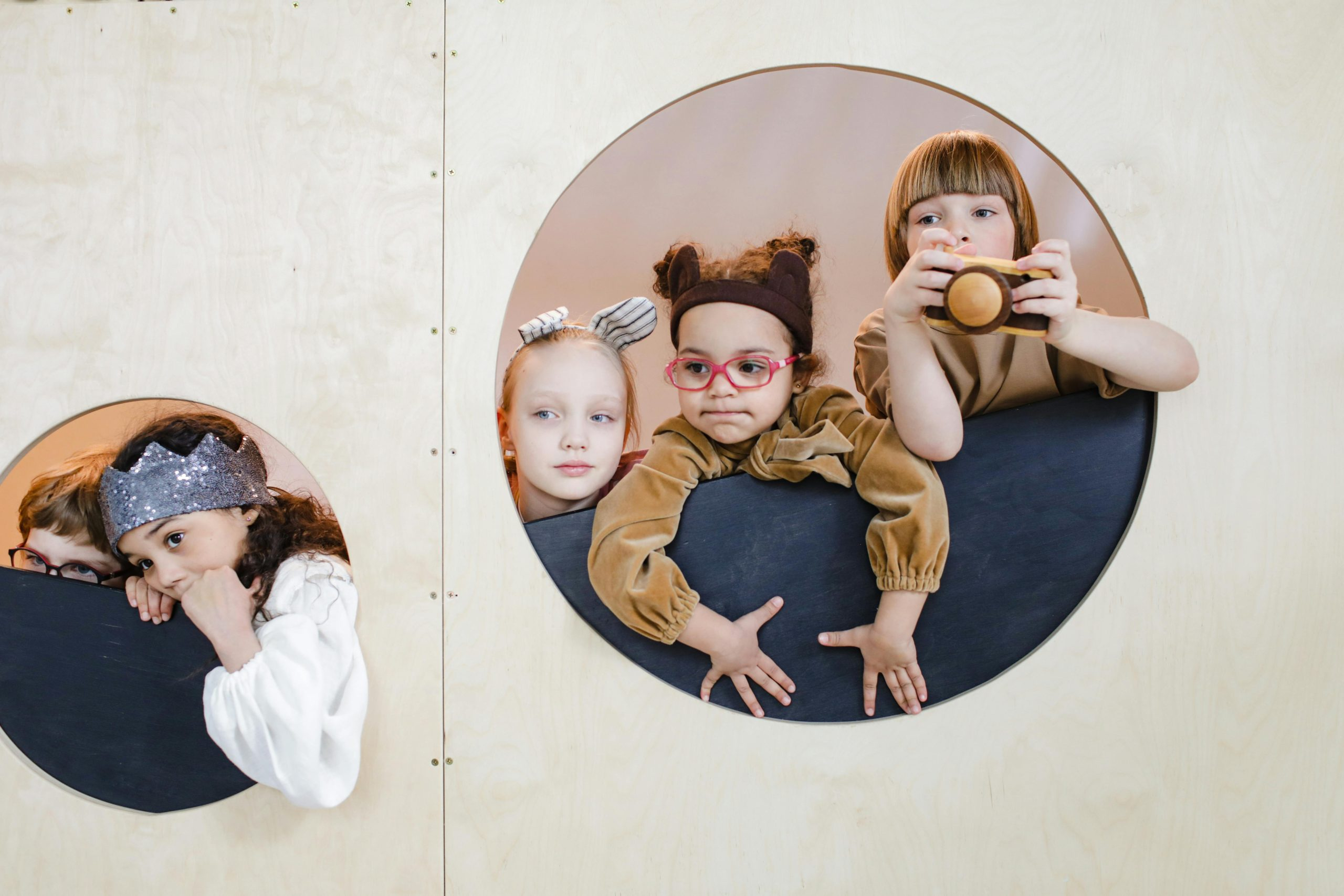
As children, we are often taught that the only way to learn is through a structured education system. We are told what to think, what to believe, and how to conform to societal norms. But what if there was a way to encourage independent thinking and foster critical thought in young minds? This is where the role of philosophy comes in. Philosophy, often seen as a lofty and abstract subject, is actually a powerful tool in developing independent young thinkers. In this article, we will explore how philosophy can help children question the world around them, think critically, and form their own independent beliefs.
The Importance of Questioning
One of the fundamental tenets of philosophy is to question everything. Through questioning, we are able to challenge our own beliefs and ideas, as well as those of society. This is particularly important for young minds, as it allows them to develop a healthy skepticism and not blindly accept what they are told.
Philosopher and educator John Dewey believed that children should be encouraged to ask questions and search for answers, rather than simply memorizing information. By engaging in philosophical discussions, children learn to think for themselves and form their own opinions, rather than accepting what they are told without question.
The Power of Critical Thinking
Philosophy also teaches children how to think critically and objectively. In a world filled with information and opinions, it is crucial for children to be able to weigh different perspectives and come to their own conclusions. Through philosophical discussions and debates, children learn to analyze arguments, recognize biases, and form evidence-based opinions.
Moreover, philosophy encourages children to think creatively and outside the box. It challenges them to think beyond the obvious and to consider alternative perspectives. By developing critical thinking skills, children are better equipped to navigate the complexities of the world and make informed decisions for themselves.
Fostering Independence
The ability to think independently is a highly valuable skill that is cultivated through philosophy. By questioning and thinking critically, children learn to form their own beliefs and values, rather than blindly following the crowd. This independence of thought is important both in personal and professional life, as it allows individuals to make their own decisions and take ownership of their beliefs.
Moreover, philosophy encourages children to form their own set of moral values and principles. By exploring different ethical theories and discussing moral dilemmas, children learn to think about right and wrong in a more nuanced and individualized way. This helps them develop their own sense of morality, rather than simply relying on the morals of others.
Implementing Philosophy in Education
Despite its numerous benefits, philosophy is often overlooked in traditional education systems. However, there are many ways to incorporate philosophical discussions and activities into classroom learning. For example, teachers can use thought-provoking questions and open-ended discussions to encourage critical thinking and independent thought.
Moreover, there are numerous educational programs, such as Philosophy for Children, that aim to introduce philosophical concepts and discussions to children at a young age. By introducing philosophy early on, children are able to develop their critical thinking skills from a young age and carry them throughout their lives.
In Conclusion
Philosophy may seem like a distant and abstract subject, but its role in developing independent young thinkers should not be underestimated. By encouraging questioning, critical thinking, and fostering independence, philosophy equips children with the skills they need to navigate the complexities of the world and form their own beliefs. So let’s not limit our children’s education to just the basics, but introduce them to the powerful world of philosophy and watch them grow into independent, critical, and thoughtful individuals.
Leave a Reply