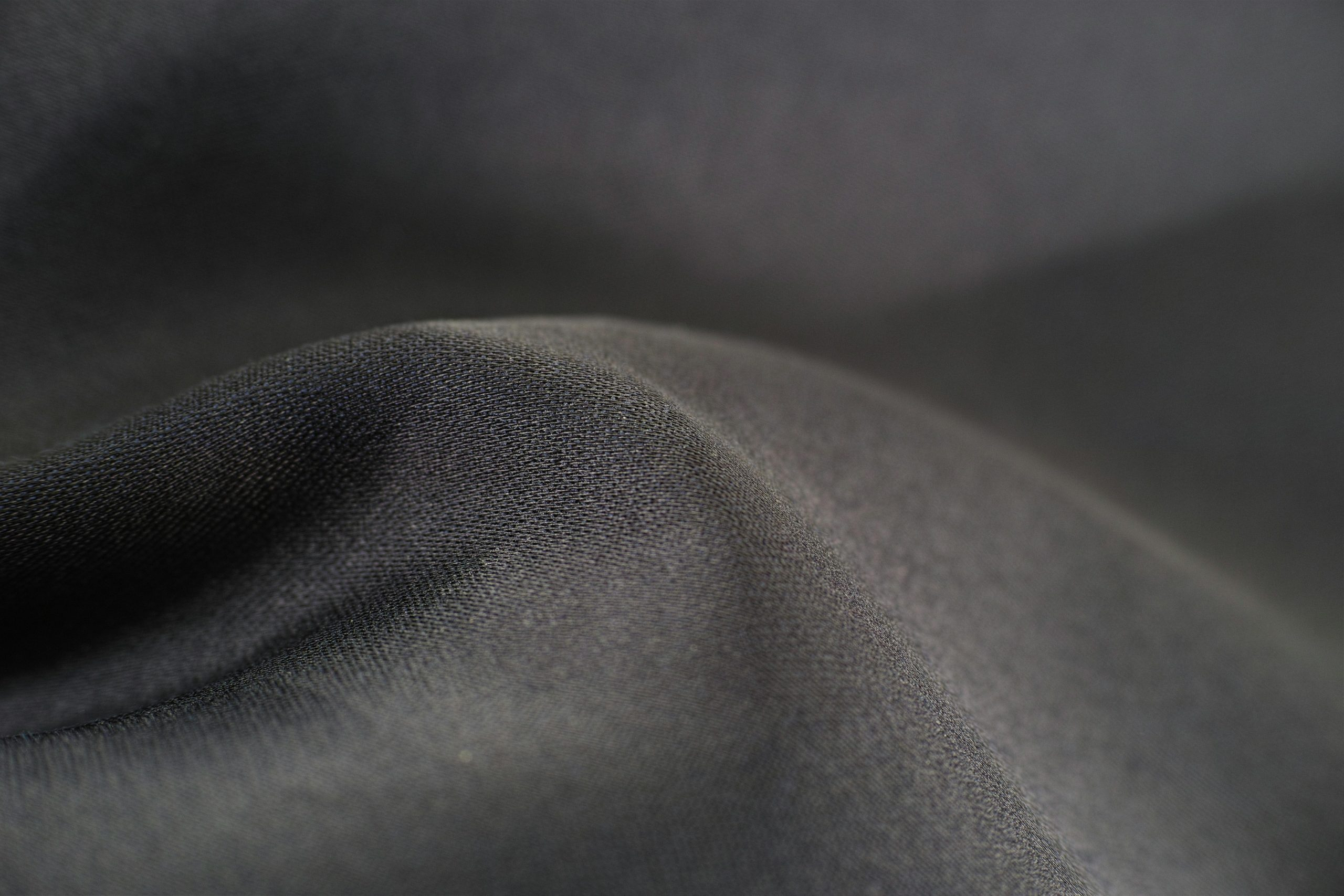
The world of textiles is constantly evolving and innovating. From traditional fabrics like cotton and wool to advanced materials like synthetic blends and nanofibers, the industry is always seeking new ways to improve and enhance its products. And one of the latest developments that is revolutionizing the textile world is the bioengineered silk fabric.
The Rise of Bioengineered Silk Fabrics
Silk has long been considered one of the most luxurious and sought-after fabrics in the world. Its soft and smooth texture, durability, and natural sheen make it a popular choice in the fashion industry. However, traditional silk production requires the use of silkworms and harsh chemical processes, making it unsustainable and harmful to the environment. This is where bioengineered silk comes in.
Bioengineered silk fabrics are created in a lab using sustainable and ethical methods. The process involves extracting silk proteins from the cocoons of silkworms without harming them, and then combining them with other natural sources, such as plants or bacteria, to create a strong and versatile fabric. This eliminates the need for silkworms and reduces the environmental impact of production.
The Benefits of Bioengineered Silk Fabrics
Bioengineered silk fabrics offer a range of benefits that set them apart from traditional silk and other synthetic materials. Here are some of the ways in which bioengineered silk fabrics are transforming the future of textiles:
1. Sustainability
As mentioned earlier, the production of traditional silk involves the use of silkworms and harsh chemicals. This not only harms the environment but also raises ethical concerns. On the other hand, bioengineered silk fabrics are produced in a sustainable and cruelty-free manner, making them a more responsible and eco-friendly option.
2. Versatility
One of the most significant advantages of bioengineered silk fabrics is their versatility. These fabrics can be engineered to have different properties, such as moisture-wicking, UV-resistant, and flame-retardant, depending on the needs of the end product. This makes them suitable for a wide range of applications, from clothing and accessories to medical and technical textiles.
3. Strength and Durability
Despite being made in a lab, bioengineered silk fabrics are incredibly strong and durable. In fact, they are said to be even stronger than traditional silk. This makes them ideal for use in high-performance products that require both strength and flexibility, such as sports clothing, outdoor gear, and even military equipment.
4. Biodegradability
Another significant advantage of bioengineered silk fabrics is that they are fully biodegradable. This means that they break down naturally and do not add to the already growing problem of textile waste. As sustainability becomes increasingly crucial in the textile industry, bioengineered silk fabrics are gaining momentum as a viable solution to eco-friendly production.
The Future of Textiles
The rise of bioengineered silk fabrics is just one example of the ongoing technological advancements in the textile industry. With a growing focus on sustainability and ethical production, it is safe to say that the future of textiles will be shaped by environmentally friendly and socially responsible materials. This will not only benefit the planet but also open up new possibilities for innovation and creativity in the fashion, medical, and technical fields.
In conclusion, bioengineered silk fabrics are a game-changer in the world of textiles. Their sustainable and versatile nature makes them a frontrunner in the quest for a more ethical and eco-friendly textile industry. As technology continues to progress, we can expect to see more innovative materials like bioengineered silk fabrics emerge, transforming the way we think about and produce textiles.
Leave a Reply