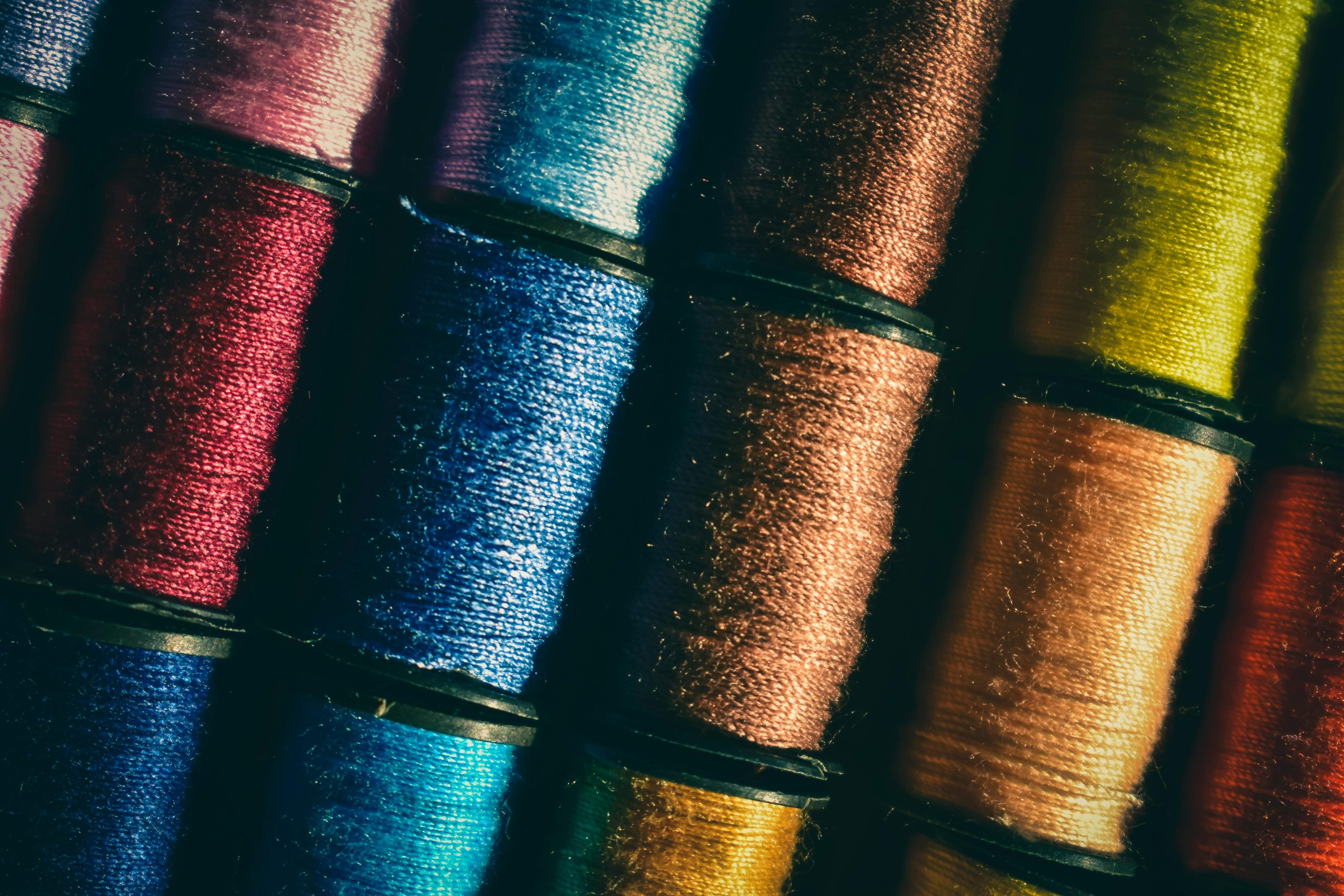
The fashion industry has long been criticized for its negative impact on the environment, from the use of hazardous chemicals in production to the disposal of unsold clothing in landfills. As consumers become more conscious of their ecological footprint, the demand for sustainable and ethical fashion is on the rise. Luckily, the fashion industry has responded with the development of innovative sustainable fabrics that are reshaping the global garment industry.
The Need for Change
It is no secret that the fashion industry has a significant environmental impact. In fact, it is the second most polluting industry in the world, just behind oil. The traditional production process involves the use of toxic chemicals, excessive water consumption, and high energy consumption. Not to mention, the fast fashion model promotes overconsumption and leads to a massive amount of clothing waste. The need for sustainable alternatives has become urgent, and consumers are now demanding more environmentally friendly options. As a result, fashion brands are turning to innovative sustainable fabrics to reduce their environmental impact.
Innovative Sustainable Fabrics
Organic Cotton
Cotton is one of the most widely used fabrics in the fashion industry, but conventional cotton production is incredibly harmful to the environment. It requires large amounts of water, pesticides, and synthetic fertilizers. Organic cotton, on the other hand, is grown without the use of these harmful chemicals, making it a more sustainable alternative. It also uses less water and promotes healthier soil, making it a better choice for the environment.
Recycled Polyester
Polyester is another commonly used fabric, but it is made from non-renewable resources and is not biodegradable. However, recycled polyester, also known as rPET, is made from recycled plastic bottles, diverting waste from landfills and reducing the need for virgin polyester production. While it is not a perfect solution, it significantly reduces the environmental impact of polyester production and offers a more sustainable option for fashion brands.
Tencel
Tencel is a sustainable fabric made from wood pulp from eucalyptus trees. The production process is almost entirely closed-loop, meaning that the chemicals used are continuously recycled and reused. This process requires significantly less water and energy compared to other fabrics, making it an eco-friendly option. Tencel is also biodegradable, making it a more sustainable choice for the environment.
The Impact on the Global Garment Industry
The shift towards using these innovative sustainable fabrics is having a profound impact on the global garment industry. Brands are now incorporating sustainability into their business models to appeal to environmentally conscious consumers. This trend has led to the rise of eco-friendly fashion brands, promoting the use of sustainable fabrics and ethical production practices. Furthermore, the use of these sustainable fabrics has also created job opportunities in developing countries where farming and production take place, contributing to a more ethical and socially responsible industry.
The Future of Sustainable Fashion
The use of innovative sustainable fabrics is just the beginning of a more sustainable fashion industry. The development of new materials, such as biodegradable vegan leather and plant-based silk, is continually pushing the boundaries of sustainable fashion. Moreover, advancements in technology and research are allowing for more sustainable production methods, which will only continue to improve in the future.
Conclusion
The development and use of innovative sustainable fabrics in the fashion industry are reshaping the way we think about fashion. It is no longer just about the latest trends and styles, but also about the impact on the environment and society. Brands that embrace sustainability will not only appeal to conscientious consumers but also contribute to a healthier and more ethical industry. As consumers, we have the power to drive this change by supporting brands that prioritize sustainability and continuing to demand more sustainable options.
Leave a Reply