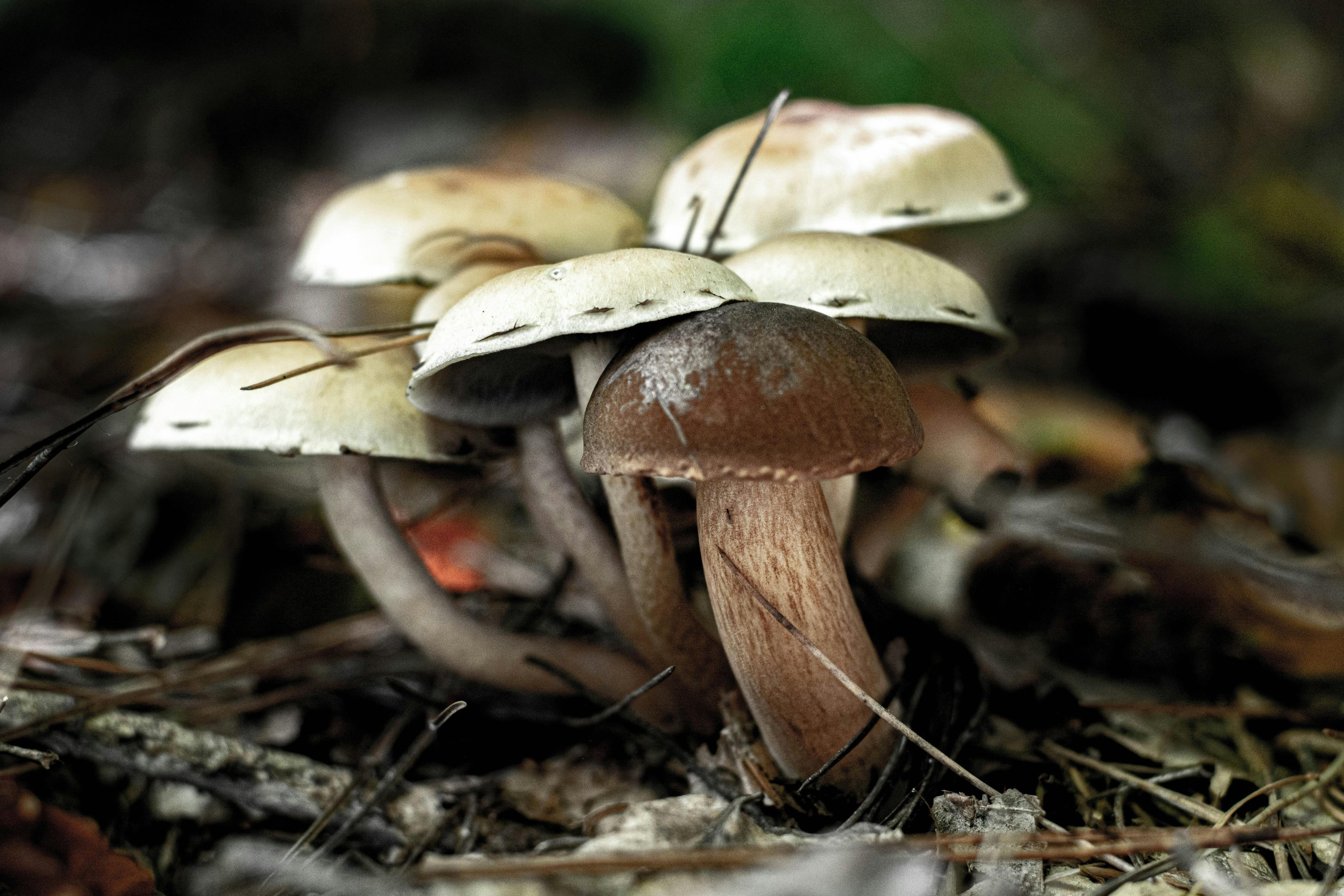
Imagine being able to roam the great outdoors and pluck delicious, fresh food right from the earth. This dream can become a reality when you learn the art of foraging for edible plants. Foraging, also known as wildcrafting, is the age-old practice of sourcing food from nature. However, it’s essential to proceed with caution when foraging to avoid accidentally consuming poisonous plants. In this article, we’ll delve into everything you need to know about exploring the world of foraging for edible plants safely. So, pack your bags and get ready to embark on an exciting journey into the wilderness.
The Basics of Foraging for Edible Plants
Foraging is a skill that our ancestors have been using for thousands of years to sustain themselves with nutrient-rich foods. However, it’s essential to understand that foraging requires knowledge and expertise. It’s not simply walking through the woods and picking whatever looks tasty. The first step in foraging is learning how to identify edible plants correctly. Various online and physical resources, such as guidebooks and foraging classes, can help you with plant identification. It’s also vital to learn about the different seasons when certain plants are in abundance.
Know Your Environment
When practicing foraging, it’s essential to know the environment you’re foraging in. Are you in a forest, near a river, or in a field? Different plants thrive in various environments, so being aware of your surroundings can help narrow down your search and prevent you from picking the wrong plants. For example, if you’re near a river, you may find watercress, while in a forest, you may come across morel mushrooms.
Observe, Don’t Touch
When foraging, always remember the golden rule: if you’re not 100% sure, don’t touch it. It’s crucial to observe the plant before touching or consuming it. Pay attention to its shape, color, smell, and location. Many poisonous plants imitate edible ones, so stay vigilant and trust your instincts. If you’re unsure about a plant, take a photo and compare it to your guidebook or ask an expert for help.
Stay Away from Polluted Areas
It’s essential to forage in areas that are free of pollution, such as industrial and agricultural sites. These areas can contain harmful chemicals, bacteria, and heavy metals that can contaminate plants, making them unsafe to consume. It’s also best to avoid foraging near paved roads or hiking trails, as plants near these areas are often exposed to pollutants.
Safely Consuming Foraged Plants
Now that you’ve successfully identified and picked edible plants let’s move on to the next crucial step – safely consuming them. While most foraged foods can be eaten raw, some require cooking. Before consuming any foraged plants, always remember to wash them thoroughly with clean water. It’s also essential to cook plants for at least 10 to 15 minutes to kill any harmful bacteria or parasites.
Keep It in Moderation
It’s crucial to be mindful of how much foraged food you consume. Some plants may contain toxic compounds, even in small quantities. It’s best to start slow and gradually increase your intake as you become more familiar with different plants. Remember to only forage for what you and your family will eat to avoid any waste.
Learn to Preserve
In addition to consuming fresh foraged food, you can also learn to preserve them for later use. Drying, freezing, pickling, and canning are all great ways to preserve foraged plants. However, it’s essential to follow proper food safety protocols when preserving food to avoid any food-borne illnesses.
Conclusion
The art of foraging for edible plants can be both thrilling and rewarding. Not only do you get to connect with nature, but you also get to enjoy an array of fresh and nutrient-rich foods. However, it’s essential to keep in mind that foraging is a skill that requires knowledge, expertise, and caution. Always remember to correctly identify plants, know your environment, and safely consume and preserve foraged foods. Happy foraging!
Leave a Reply