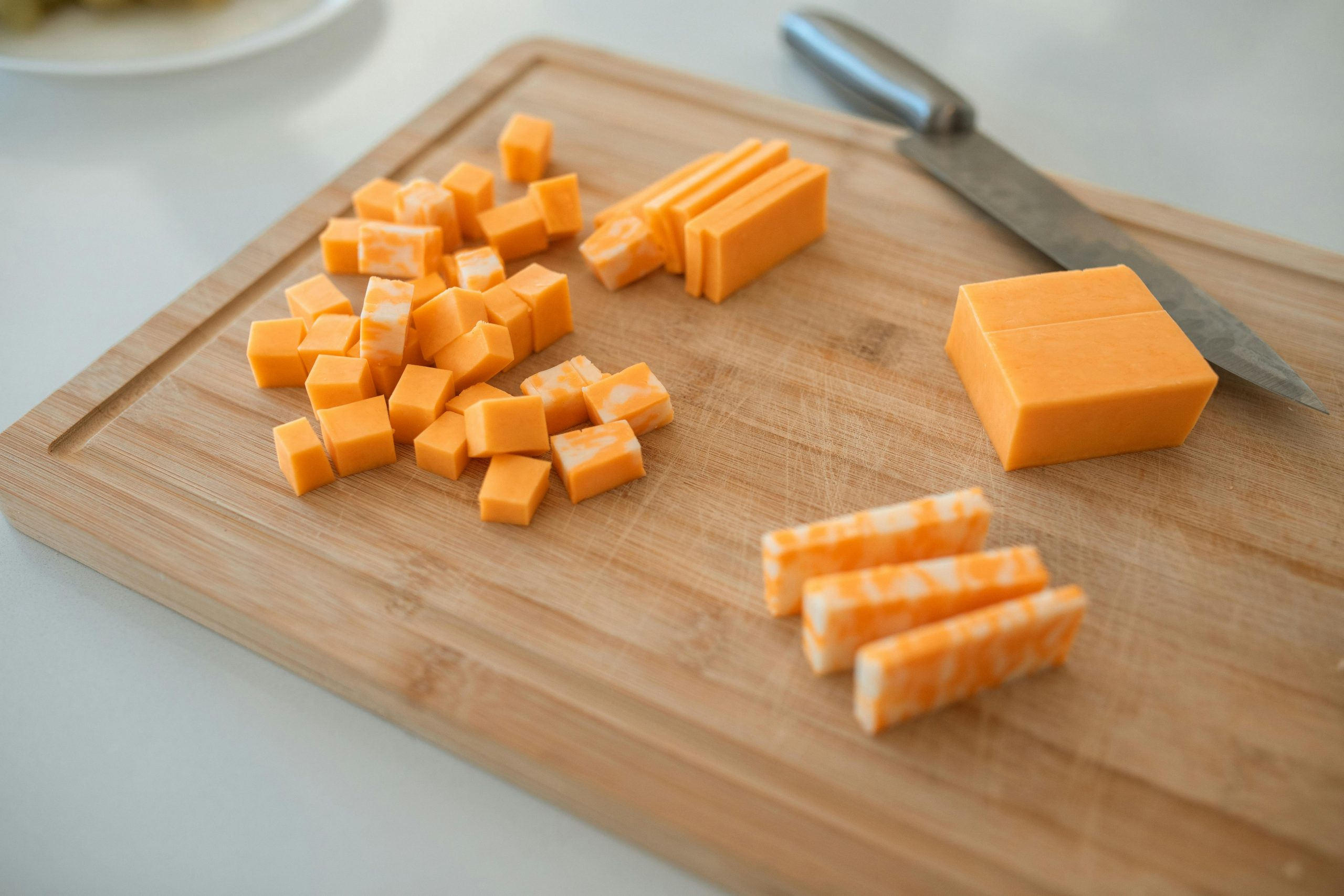
Vegan cheese has come a long way in the past few years. With an increasing demand and interest in plant-based diets, there have been numerous advancements in the world of vegan dairy alternatives. From nut-based spreads to cultured cheeses, the options for creating delicious vegan cheeses and dairy products are endless. However, sometimes it can be challenging to know where to start when it comes to making homemade vegan cheeses. In this article, we will explore some strategies for making delicious vegan cheeses and dairy that will satisfy even the pickiest of cheese lovers.
Understanding the Basics
Before we delve into the specific strategies for making vegan cheeses, it is essential to understand the basics of vegan cheese-making. The primary ingredient in any cheese is milk, and in the case of vegan cheeses, milk alternatives such as almond, coconut, or soy are used. Another essential ingredient in cheese-making is cultures, which are responsible for fermenting the milk and giving cheese its distinctive tangy flavor.
Choosing the Right Milk Alternative
When it comes to vegan cheese-making, choosing the right milk alternative is crucial. Each plant-based milk has its unique taste and texture, which can greatly impact the final product. For a mild and creamy cheese, soy milk is an excellent option, while almond milk adds a slightly nutty flavor. Coconut milk, on the other hand, is ideal for creating a firmer, more tangy cheese. Experimenting with different milk alternatives can help you find the perfect balance of flavor and texture for your vegan cheese.
Getting Creative with Cultures
As mentioned earlier, cultures play a vital role in the cheese-making process. Choosing the right cultures can make all the difference in the taste and texture of your vegan cheese. Traditional cheese cultures such as lactobacillus and streptococcus thermophilus can be found in many health food stores, or you can opt for plant-based cultures such as probiotic capsules or miso paste. Don’t be afraid to get creative and experiment with different cultures to achieve the flavor profile you desire.
Incorporating Flavorful Ingredients
Adding flavorful ingredients to your vegan cheese can take it to the next level. Herbs, spices, and even fruits can be incorporated into the cheese mixture before or during the fermentation process to add an extra layer of flavor. Sun-dried tomatoes, garlic, and basil make a delicious Mediterranean-inspired cheese, while blueberries add a unique sweetness to your dairy-free cheese creations. The possibilities are endless, so don’t be afraid to get creative and experiment with different ingredients!
Using the Right Equipment
While traditional cheese-making involves specific equipment such as cheese molds and presses, making vegan cheese at home is much simpler. All you really need is a good blender or food processor to create a smooth and creamy cheese base. Using a nut milk bag or cheesecloth can also help strain out any excess liquid and give your cheese a firmer texture. Investing in a good quality cheese grater is also essential for shredding your vegan cheeses to perfection.
Practice Makes Perfect
Like any new skill, vegan cheese-making requires practice and patience. Don’t be discouraged if your first few attempts don’t yield the desired results. With each batch, you will learn what works and what doesn’t, and you will soon become a pro at making homemade vegan cheeses. Remember to keep an open mind and have fun with the process.
The Final Verdict
Vegan cheese-making can be both a fun and rewarding experience. By understanding the basics, experimenting with ingredients, and using the right equipment, you can create delicious plant-based cheeses that will impress even the most devout cheese lovers. With these strategies in mind, you are well on your way to becoming a master at making delicious vegan cheeses and dairy products that not only taste amazing but are also good for your health and the environment.
Leave a Reply