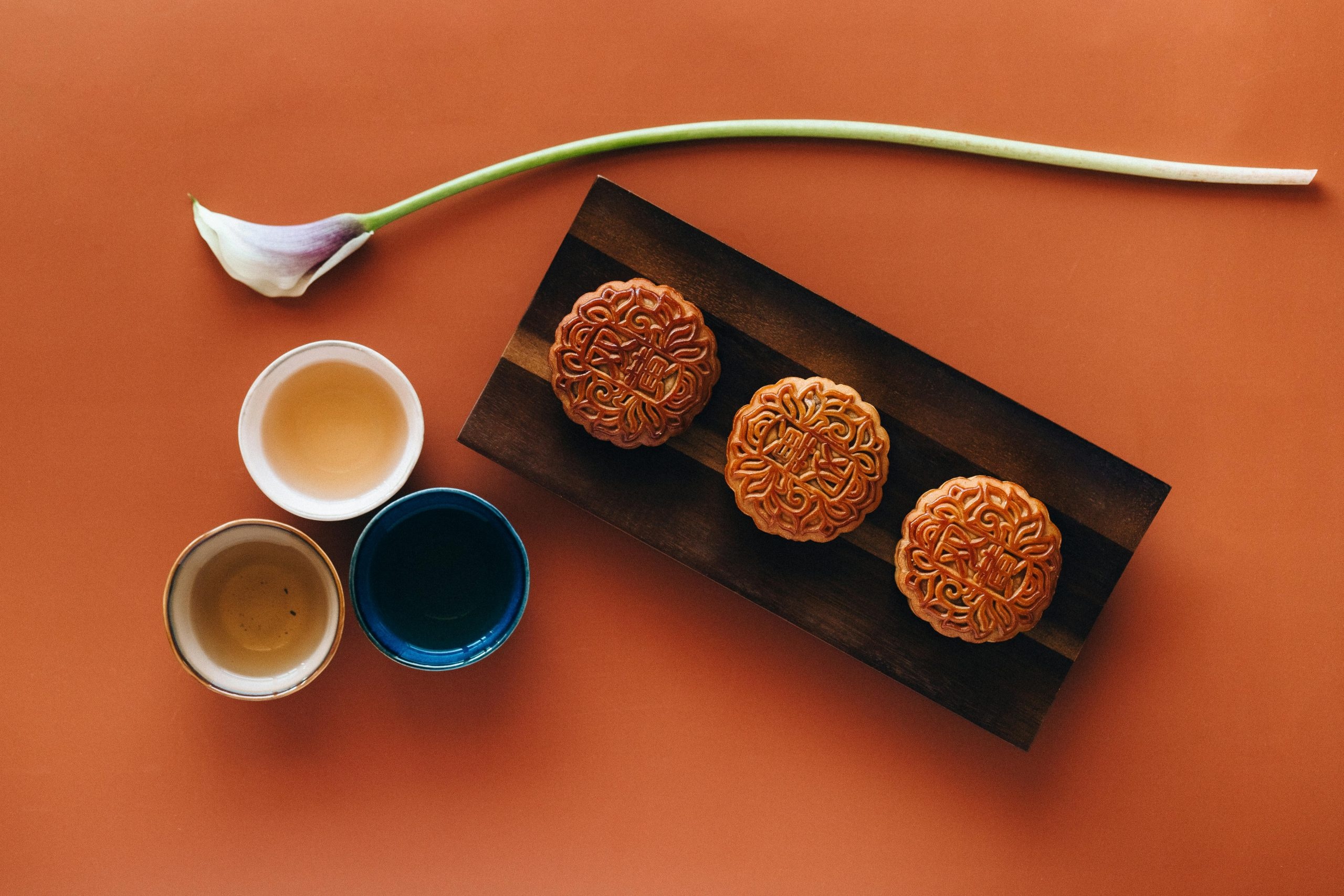
Can you imagine a world without desserts? For many of us, sweet endings are an essential part of any meal. Whether it’s a piece of cake, a scoop of ice cream, or a pastry, desserts are a universal comfort food that brings joy to people’s lives. But have you ever stopped to think about the history of desserts and how they have evolved over time? In this article, we will take a trip through history and explore the origins and cultural significance of desserts in different parts of the world. Get ready to satisfy your sweet tooth and discover the fascinating world of desserts!
The Origins of Desserts
The word “dessert” comes from the French word “desservir,” which means “to clear the table.” The term was first used in the 16th century to refer to the sweet course served after the main meal. But the concept of a sweet ending to a meal dates back to ancient civilizations. The ancient Egyptians and Romans were the first to consume sweet treats made with fruits and honey. These desserts served as a symbol of wealth and were reserved for special celebrations.
The Rise of Sugar
The use of sugar in desserts became popular in the Middle Ages when Italian and Arab traders introduced it to Europe. At that time, sugar was considered a luxury item and was only accessible to the wealthy. It wasn’t until the 18th century that sugar became more widely available, and desserts became more affordable for the general population.
Desserts Across Cultures
As desserts spread to different parts of the world, they took on different forms and flavors, reflecting the unique ingredients and cooking techniques of each culture. Let’s explore some of the most popular desserts in different parts of the world:
Europe
In Europe, desserts are deeply rooted in tradition and culture. In Germany, the Black Forest cake, made with layers of chocolate cake, whipped cream, and cherries, is a beloved dessert that originated in the Black Forest region. France is famous for its pastries and fine delicate desserts, such as macarons and crème brûlée. In Italy, gelato, a frozen dessert made with milk, cream, and sugar, is a staple and comes in a variety of flavors.
Asia
Asian desserts often incorporate ingredients such as rice, coconut, and tropical fruits. In Japan, the mochi, a sweet rice cake, is a popular dessert traditionally served during the New Year’s celebration. In India, the gulab jamun, a deep-fried dough ball soaked in a sugar syrup, is a beloved dessert. In Southeast Asia, the durian, a spiky fruit with a pungent smell, is often used in desserts such as ice cream and cakes.
America
In the United States, desserts have a strong influence from different cultures, making for a diverse dessert scene. Classics like apple pie and chocolate chip cookies are beloved treats. In the South, pecan pie and peach cobbler are popular desserts, while in Latin America, churros, a fried dough pastry, are a sweet indulgence.
The Evolution of Desserts
Just like any other food, desserts have evolved over time. With the advancement of technology and access to a variety of ingredients, modern desserts have become more creative and visually appealing. Chefs and home cooks alike are constantly experimenting and pushing the boundaries of traditional desserts.
The Healthier Dessert Trend
With the rise of health consciousness, many people are looking for healthier alternatives to traditional sugar-laden desserts. This has led to the development of desserts made with alternative sweeteners such as honey, maple syrup, and coconut sugar. Desserts made with fruits, vegetables, and whole grains are also becoming more popular.
The Fusion of Cultures
The fusion of cultures has also had a significant impact on desserts. Chefs are incorporating flavors and techniques from different cultures to create unique and delicious desserts. For example, the popular Japanese dessert, mochi ice cream, combines the traditional Japanese mochi with ice cream, creating a delightful fusion of flavors.
The Significance of Desserts
Aside from satisfying our cravings, desserts also play a significant role in many cultures and celebrations. In many countries, desserts are served during important holidays and festivities. In some cultures, specific desserts are made to bring good luck and prosperity. And let’s not forget the role desserts play in bringing people together and creating lasting memories.
In conclusion, the history of desserts is a fascinating journey that showcases how this sweet treat has evolved over time. From ancient civilizations to modern-day creations, desserts have become a staple in many cultures and hold a special place in our hearts. So next time you indulge in your favorite dessert, remember the rich history and cultural significance behind it.
Leave a Reply