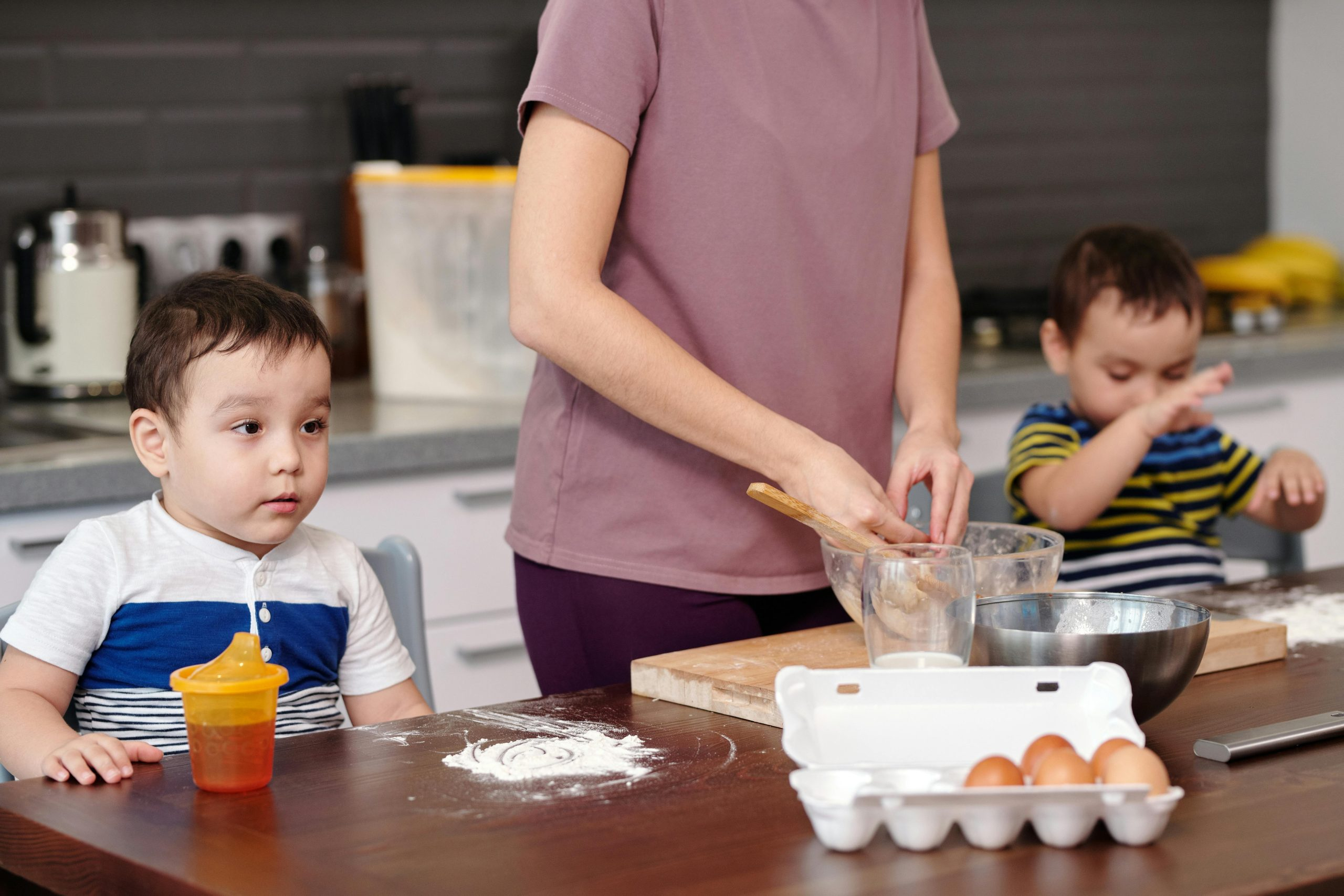
The kitchen is often referred to as the heart of a home, where delicious meals are prepared and shared with loved ones. However, with knives, hot surfaces, and other cooking tools, it can also be a place of potential accidents. Accidents in the kitchen can range from minor burns and cuts to more serious injuries that require immediate medical attention. That’s why it is essential for everyone, including home cooks, to learn basic first aid for kitchen accidents. In this article, we will discuss the importance of learning first aid for kitchen accidents and how it can make a significant difference in emergencies.
The Role of First Aid in Kitchen Accidents
The kitchen can be a dangerous place, often resulting in accidents that require swift action. Learning first aid for kitchen accidents can help individuals to respond quickly and effectively in case of an emergency. It involves basic medical techniques and procedures that can be applied to injuries such as burns, cuts, and choking. First aid can serve as the first line of defense, helping to minimize the severity of an injury and prevent it from worsening. It can also help to ease panic and fear in the event of an accident.
Preventing Minor Injuries from Escalating
First aid skills can be especially crucial in preventing minor injuries from turning into more serious conditions. For instance, a small cut on a finger may not seem like a big deal, but if left untreated, it can become infected and lead to further complications. However, if you know basic first aid techniques, you can clean and dress the wound to prevent infection and promote healing. This can save you a trip to the doctor and ensure that the injury heals properly.
Reducing Risk of Cross-Contamination
In a kitchen setting, cross-contamination can often occur, especially when dealing with raw meat and other foods. Without proper first aid knowledge, individuals may unknowingly spread bacteria and other potentially harmful substances. However, learning basic first aid for kitchen accidents can teach you how to properly handle injuries and prevent the risk of cross-contamination. This is especially important for individuals who work in professional kitchens or regularly cook for a large number of people.
Saving Lives in Emergencies
In the event of a more severe kitchen accident, such as a burn or choking, first aid knowledge can literally save a life. Knowing what to do in an emergency situation can significantly increase the chances of a positive outcome. This can be especially important for individuals who live alone or have young children in the house. By learning basic first aid skills, you can quickly assess a situation and take the necessary steps to assist someone in need.
Basic First Aid for Kitchen Accidents
Now that we understand the importance of learning first aid for kitchen accidents, let’s take a look at some basic techniques that can come in handy in the event of an emergency.
Treating Cuts and Burns
Cuts and burns are some of the most common kitchen injuries. If you or someone else gets a cut, the first step is to rinse the wound with clean water and apply pressure with a clean cloth to stop the bleeding. You can then clean the wound with an antiseptic and cover it with a sterile bandage. For burns, the first step is to run the burn under cool water for at least 10 minutes. This will help to cool the burn and reduce pain. You can then apply a burn ointment and cover the burn with a sterile bandage.
Dealing with Choking
Choking can happen when a small object or food gets stuck in the throat and blocks the airway. In such a situation, it is essential to act quickly. The Heimlich maneuver is a common first aid technique used to help dislodge an object from someone’s airway. To perform this technique, stand behind the person and wrap your arms around their waist. Make a fist with one hand and place it just above the navel. Place the other hand over the fist and pull inwards and upwards, repeating until the object is dislodged.
Treating Minor Burns and Splinters
Minor kitchen accidents such as splinters and minor burns can also be treated with simple first aid techniques. For splinters, use tweezers to gently remove the object, then clean and cover the affected area with a bandage. For minor burns, you can run the affected area under cool water or apply an aloe vera gel to soothe the burn and promote healing.
Becoming First Aid Certified
While learning basic first aid for kitchen accidents can be helpful, it is always recommended to become certified in first aid. This involves taking a course and receiving training from a certified instructor. First aid certification can give you a better understanding of how to react in emergency situations and provide you with the necessary skills to assist others.
In conclusion, basic first aid knowledge is essential for everyone, especially in the kitchen. It can help to prevent minor injuries from escalating, reduce the risk of cross-contamination, and save lives in emergencies. With the proper training and techniques, individuals can confidently handle kitchen accidents and ensure the safety of themselves and those around them. So, make it a priority to learn basic first aid for kitchen accidents and be prepared for any unexpected situation that may arise.
Leave a Reply