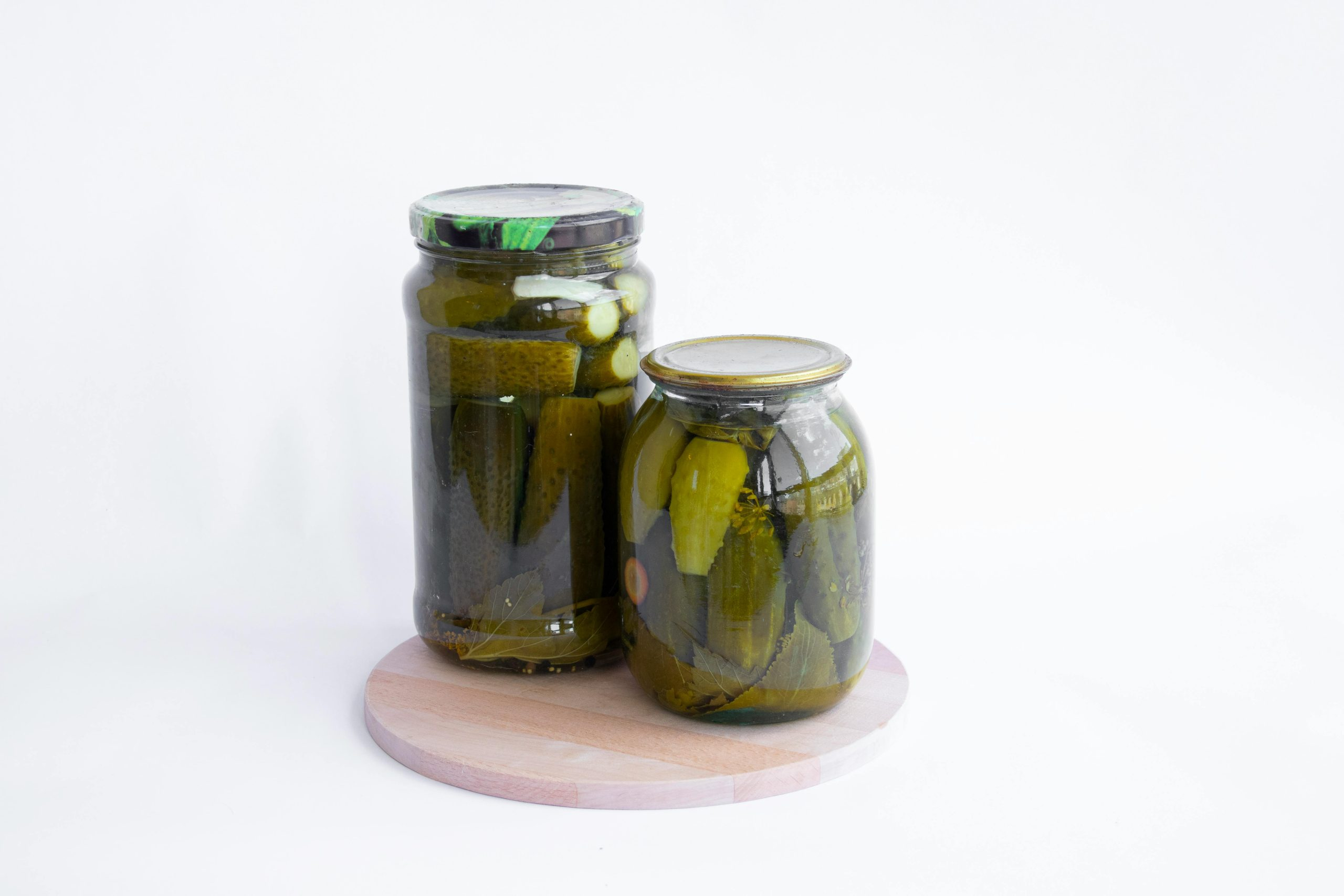
Fermentation and pickling have been used for centuries as a way to preserve food and enhance its flavor. From sauerkraut to kimchi to pickles, these flavorful condiments have been enjoyed by cultures all over the world. But did you know that you can easily make these delicious treats at home? With the rise of DIY and home cooking, more and more people are turning to homemade fermentation and pickling. In this ultimate guide, we’ll take you through the basics of fermentation and pickling, the benefits of these ancient techniques, and how you can get started on your own homemade creations.
The Basics of Fermentation
So, what exactly is fermentation? In simple terms, fermentation is the process of converting carbohydrates into acids, gases, or alcohol using microorganisms, such as yeast or bacteria. This process creates an acidic environment, which not only preserves the food but also enhances its flavor and increases its nutritional value.
The Different Types of Fermentation
There are two main types of fermentation used in food preservation: lactic acid fermentation and alcohol fermentation. Lactic acid fermentation is the process used in making foods such as pickles, sauerkraut, and yogurt. This type of fermentation produces lactic acid, which gives these foods their tangy flavor.
On the other hand, alcohol fermentation is the process used in making alcoholic beverages such as wine, beer, and cider. This process produces ethanol and carbon dioxide, giving these drinks their unique qualities.
The Health Benefits of Fermented Foods
Fermented foods have been a staple in many cultures for thousands of years, and for a good reason. They are not only delicious but also provide numerous health benefits. As the fermentation process breaks down the food, it becomes easier to digest, making it beneficial for people with digestive issues. Fermented foods also contain probiotics, which promote a healthy gut and boost the immune system. In addition, the increased nutritional value of fermented foods makes them a great addition to any diet.
The Importance of Homemade Fermentation
While you may be able to find fermented products in your local grocery store, making it at home has its own set of benefits. Firstly, you have full control over the ingredients used, making it easier to avoid any additives or preservatives. Furthermore, homemade fermented foods are fresher, tastier, and more beneficial for your health compared to store-bought options.
The Art of Pickling
Pickling is a method of preserving food by using an acidic solution, such as vinegar or lemon juice. This process not only prolongs the shelf life of the food but also gives it a unique tangy flavor that can enhance any dish.
The Different Types of Pickling
There are two main methods of pickling: quick pickling and lacto-fermentation. Quick pickling is the process of submerging vegetables or fruits in a vinegar-based solution for a short period of time. This method is great for making pickles, chutneys, and relishes. On the other hand, lacto-fermentation is a longer process that involves submerging the food in a salt-based solution and allowing it to ferment for a longer period. This method is used in making fermented foods like sauerkraut and kimchi.
Getting Started with Homemade Fermentation and Pickling
The best part about fermentation and pickling is that you do not need any fancy equipment or ingredients to get started. In fact, you can use everyday items found in your kitchen. Vegetables, fruits, and even dairy products can be fermented using the right ingredients and process.
Basic Equipment Needed
To start your fermentation and pickling journey, you will need a few basic equipment, such as glass jars with lids, a large bowl, a strainer, and a sharp knife. Make sure to clean and sanitize all equipment before starting the process.
Choosing Ingredients
The best part about homemade fermentation and pickling is that you can experiment with different ingredients according to your taste preference. From crunchy cucumbers to spicy jalapenos to tangy cabbage, the options are endless. Make sure to use fresh, organic ingredients for the best results.
The Fermentation Process
The process of fermentation and pickling is simple and involves the following steps:
1. Prepare the vegetables or fruits by slicing or chopping them into bite-sized pieces.
2. Place them in the glass jar and add any desired herbs, spices, or seasoning.
3. Mix together the salt, water, and any other desired ingredients in the large bowl until the salt is dissolved to create the brine.
4. Pour the brine over the vegetables in the jar, making sure they are completely submerged.
5. Cover the jar with a lid, but do not seal it tightly. This allows for the release of any gases during the fermentation process.
6. Store the jar in a cool, dark place for the desired fermentation time (usually 1-4 weeks).
Enjoy Your Homemade Creations
Once your vegetables or fruits are fully fermented, you can enjoy them as a snack, as a topping for salads or sandwiches, or even as a side dish. Fermented foods and pickles can also be canned and stored for a longer shelf life.
In conclusion, homemade fermentation and pickling are not only a fun and creative way to preserve food, but also highly beneficial for your health. So, why not give it a try? With this ultimate guide, you’ll be on your way to creating delicious and nutritious homemade fermented foods in no time!
Leave a Reply