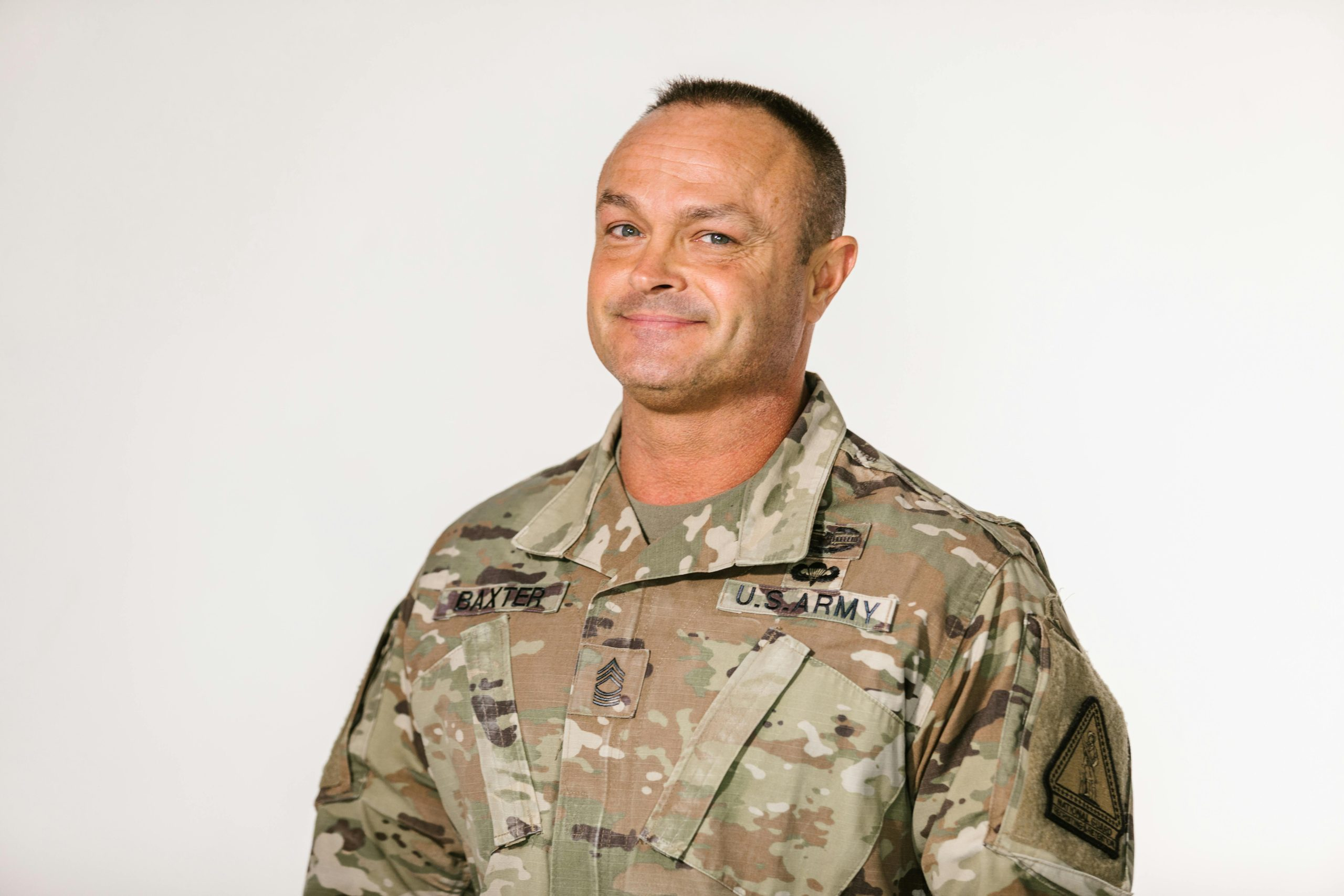
Welcome to the final phase of your military journey – transitioning to civilian life. The thought of leaving the military and entering the civilian workforce can be daunting and overwhelming for many veterans. You may have spent several years or even decades serving your country, and now you are faced with the challenge of navigating a whole new career path. But fear not, for this article will provide you with valuable insights and tips on how to successfully transition from military service to civilian careers.
Understanding the Differences Between Military and Civilian Workforce
Before diving into the intricacies of transitioning, it is crucial to understand the fundamental differences between military and civilian workforces. The military operates under a strict hierarchical structure, where orders are given and followed without question. In contrast, the civilian workforce operates in a more flexible and dynamic environment, where teamwork, communication, problem-solving, and leadership skills are highly valued.
Moreover, the military prioritizes collective goals over individual goals, while the civilian workforce focuses on individual performance and success. As a result, it is essential to adjust your mindset and skill set to align with the demands of the civilian workforce.
Start Early And Be Proactive
The key to a successful transition is to start early and be proactive. Begin by researching and understanding the job market and the various industries that interest you. Make use of resources such as career transition services, job fairs, and online job portals to explore potential career options.
It is also beneficial to network with other veterans who have successfully transitioned to civilian careers. They can provide valuable insights into the job market, industry trends, and tips on how to market your military experience to potential employers.
Translate Your Military Experience Into Civilian Terms
One of the biggest challenges of transitioning to civilian careers is effectively communicating your military experience to potential employers. The military jargon and acronyms used in your military job may not translate well in the civilian world. Hence, it is crucial to translate your experience and skills into civilian terms that employers can understand.
Highlight the transferable skills such as leadership, teamwork, problem-solving, adaptability, and communication that you have acquired during your military service. Showcase how these skills can be utilized in a civilian work setting to add value to the organization. Additionally, take advantage of the military’s training and certification programs to boost your qualifications for civilian jobs.
Update And Tailor Your Resume
Your resume is your first point of contact with potential employers, and it is crucial to make a good first impression. Update your resume to reflect your new career goals and use civilian job titles and descriptions that align with your military experience. Tailor your resume to each job application by highlighting relevant skills and experiences that match the job requirements.
Remember to keep your resume concise, relevant, and free of military jargon. Use bullet points to make it easier for employers to skim through and focus on the most critical information.
Be Open To Starting From The Bottom
Transitioning to a civilian career may mean starting from the bottom and working your way up. This could mean taking a lower-paying job, working in a different industry, or accepting an entry-level position. Remember that you are starting a new career, and it may take time to reach the same level you were at in the military. Be patient and be willing to learn and grow in your new role.
Make Use Of Your Veteran Status
Being a veteran comes with various benefits that can aid in your transition to civilian careers. These include job referrals, tax credits for employers, and priority in government job applications. Make use of your veteran status to your advantage by networking with other veterans, attending veteran-specific job fairs, and seeking out employers who have a track record of hiring veterans.
In Conclusion
The transition from military service to civilian careers may seem daunting, but with the right mindset, preparation, and resources, it can be a smooth and successful journey. Start early, be proactive, translate your military experience, and tailor your resume to each job application. Remember to stay positive and patient, and utilize your veteran status to your advantage. Good luck on your new civilian career path!
Leave a Reply