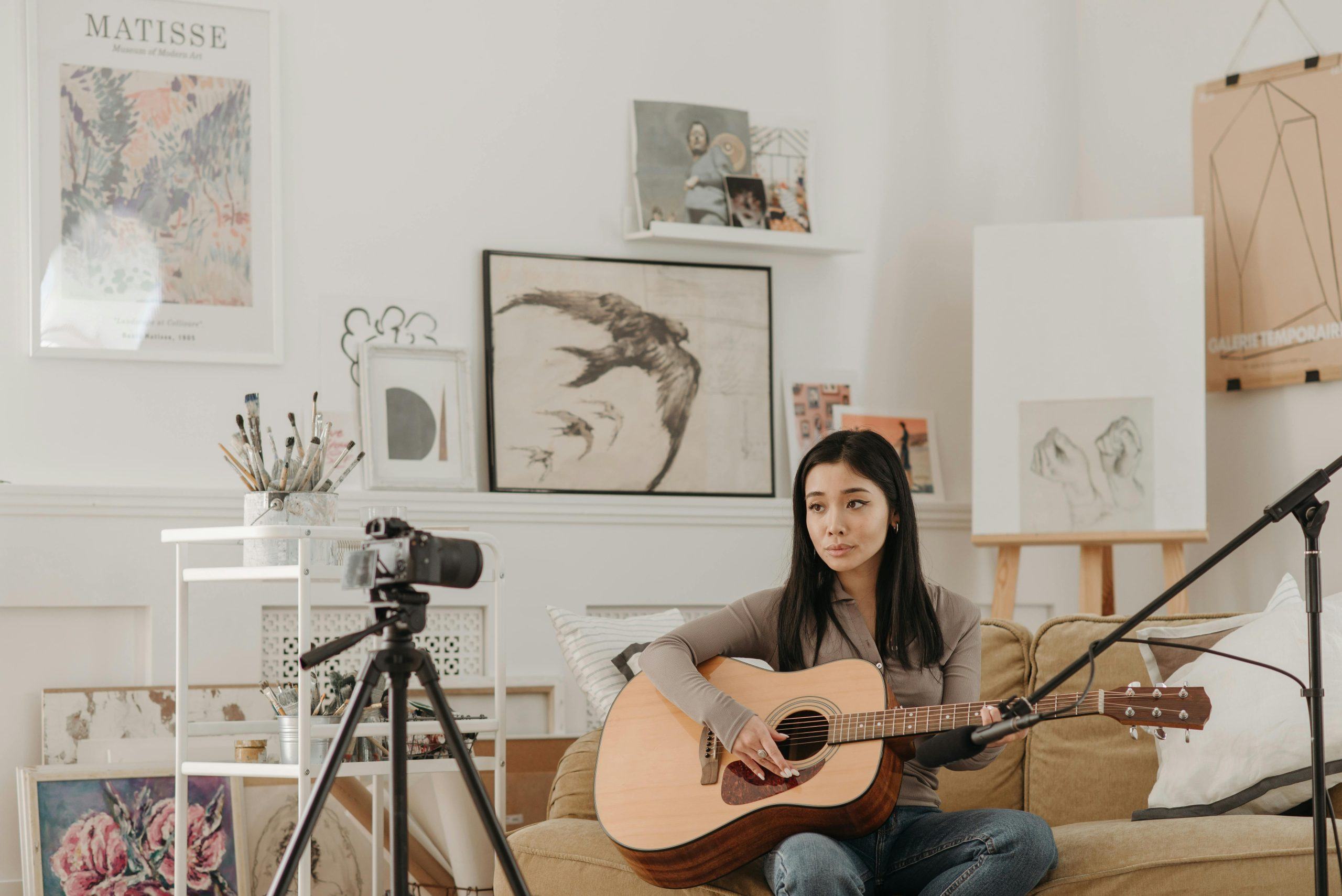
If you’re a music enthusiast, you’ve probably dreamt of having your own home recording studio. No more having to book expensive studio sessions or relying on someone else’s equipment – just pure creative freedom in the comfort of your own home. However, building a high-quality home recording studio can seem like a daunting task. Where do you even begin? In this article, we’ll guide you through everything you need to know to build your own professional-grade recording studio at home.
Choosing the Right Space
The first step to building a high quality home recording studio is choosing the right space. While your bedroom might initially seem like the most convenient option, it’s important to consider the acoustics of the room. You want a space with minimal echo and external noise interference. If you have a spare room in your house, that’s perfect – but if not, you can still transform your bedroom into a suitable space with some soundproofing and acoustic treatment.
Soundproofing
Soundproofing is essential for any recording studio. This ensures that external noises, such as traffic or neighbors, don’t seep into your recordings. The most cost-effective way to soundproof a room is to use acoustic panels. These can be purchased or made at home using materials like egg cartons or acoustic foam. Covering the walls and ceiling with these panels will reduce echo and absorb sound.
Acoustic Treatment
In addition to soundproofing, you’ll also need to consider acoustic treatment. This involves controlling the sound within the room to create a balanced and clear recording. Reflective surfaces like hardwood floors and bare walls can cause unwanted echoes, so adding carpeting and drapes can help absorb the sound. You can also invest in bass traps, which absorb low-frequency sound waves, creating a more controlled and balanced sound.
Investing in Quality Equipment
Next, it’s time to invest in quality equipment for your home recording studio. While it may be tempting to opt for cheaper options, investing in high-quality equipment will make all the difference in the quality of your recordings. Here are some essential pieces of equipment to consider:
Microphone
A microphone is the most crucial piece of equipment for any recording studio. There are various types of microphones to choose from, depending on your recording needs. Condenser microphones are great for recording vocals, while dynamic microphones are better for recording instruments like drums or guitars.
Audio Interface
An audio interface is the device that connects your microphones and instruments to your computer. It also converts analog signals to digital signals, allowing for high-quality recordings. Look for an audio interface with multiple inputs, so you can record several instruments or vocals at once.
Studio Monitors
A good pair of studio monitors is essential for accurate sound reproduction. These speakers are designed specifically for studio use and provide a flat frequency response, allowing you to hear the true sound of your recordings. Avoid using regular speakers, as they may add unwanted bass or treble to your sound.
The Importance of Acoustic Treatment for Mixing and Mastering
Acoustic treatment isn’t just essential for recording – it’s also crucial for mixing and mastering your recordings. Mixing and mastering is the process of balancing and fine-tuning the levels of each track in your recording. It’s essential to have a clear and accurate representation of your recordings to achieve the best possible sound. Investing in quality studio speakers is a must for this stage, but acoustic treatment will also ensure that your mixes are balanced and precise.
Don’t Forget About Software
Of course, no recording studio is complete without the right software. Digital Audio Workstations (DAWs) are essential for recording, mixing, and mastering your music. There are various options to choose from, such as Pro Tools, Logic Pro, or FL Studio. Do some research to find the DAW that best suits your recording needs.
Additionally, investing in plugins can take your recordings to the next level. These are software programs that can replicate the sounds of real instruments and add various effects to your recordings. From virtual instruments to EQ and compression plugins, the possibilities are endless.
In Conclusion
Building a high-quality home recording studio takes time, effort, and investment – but the end result is well worth it. With the right space, equipment, and software, you can create professional-grade recordings right in the comfort of your own home. Remember to prioritize acoustic treatment and invest in quality equipment to achieve the best sound possible. With practice and dedication, you’ll be producing top-notch recordings in no time.