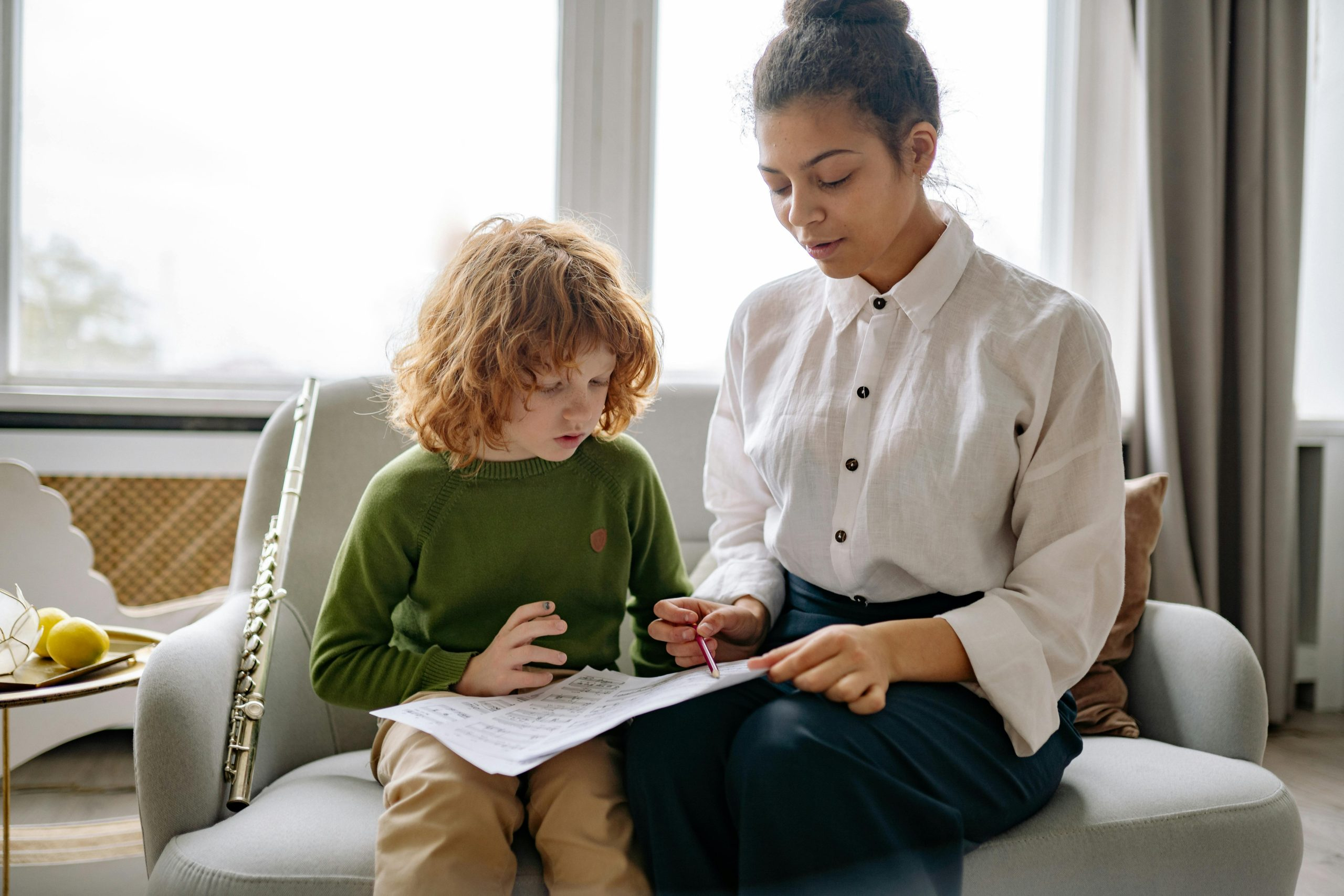
Music education for young children is crucial for their overall development. Studies have shown that early exposure to music can improve cognitive skills, language abilities, and emotional intelligence in children. However, teaching music to young children comes with its own set of challenges. It requires patience, creativity, and the use of effective strategies to keep them engaged and motivated. In this article, we will explore some proven strategies for teaching music to young children successfully, to help them develop a love for music and foster their musical abilities.
Creating a Positive Learning Environment
The first and foremost strategy for teaching music to young children is to create a positive and welcoming learning environment. Children are more likely to engage and learn in a place where they feel safe and comfortable. This can be achieved by setting up a dedicated music area with colorful posters, musical instruments, and comfortable seating. The use of natural light and plants can also help create a warm and inviting atmosphere for learning.
Introduce Musical Concepts Through Play
Young children learn best through play, and music is no exception. Incorporate play-based activities to introduce basic musical concepts such as rhythm, melody, and tempo. This could include games like “Musical Chairs” or “Hot Potato” to teach rhythm, or singing familiar songs to teach melody. These fun and interactive methods will help children understand music in a fun and engaging way.
Use Storytelling to Teach Musical Elements
Children love stories, and incorporating storytelling into music lessons can make it more enjoyable for them. Use stories to introduce new musical elements and concepts like dynamics, pitch, and tempo. For example, you can tell a story about a soft rainstorm to explain dynamics, or a story about an animal moving slowly to teach tempo. This will not only help children understand the concepts better but also enhance their imagination and creativity.
Personalize Teaching Methods
Every child learns differently, and it is essential to personalize teaching methods to cater to their individual needs. Some children may learn better by listening, while others may prefer hands-on activities. Observe how each child responds to different teaching methods and adjust accordingly. This will not only help them learn effectively but also make them feel valued and understood.
Incorporate Technology
In this digital age, children are often more receptive to learning when technology is involved. You can incorporate technology into music lessons by using interactive learning apps, virtual instruments, or even online group classes. This will not only add an element of fun and novelty but also expose children to different music styles and cultures.
Encourage Creativity and Self-Expression
Music is a means of self-expression, and it is crucial to encourage children to be creative and express themselves through music. Give them opportunities to improvise, compose, and even choreograph their own dances to music. This will not only boost their confidence but also foster their musical abilities and nurture their unique talents.
Provide Positive Reinforcement
Positive reinforcement is a powerful tool for motivating children and encouraging them to learn. Praise their efforts and progress, no matter how small. This will boost their self-esteem and encourage them to continue learning. Use reward systems like stickers or certificates to acknowledge their achievements and keep them motivated to learn more.
Include Parents in the Learning Process
Parents play a vital role in a child’s musical development. Encourage parents to be a part of their child’s learning process by providing them with resources and tips to engage their child in music at home. This will not only reinforce the learning but also strengthen the parent-child bond through a shared interest.
Make It Fun!
Above all, remember that music should be fun and enjoyable for children. Incorporate games, activities, and songs that they can relate to and enjoy. This will not only make it easier for them to learn but also create a positive association with music, ultimately developing a love for it that will last a lifetime.
In conclusion, teaching music to young children is both challenging and rewarding. By creating a positive learning environment, using play-based activities, personalizing teaching methods, and providing positive reinforcement, we can successfully teach music to our young ones and help them develop a lifelong love and appreciation for music.
Leave a Reply