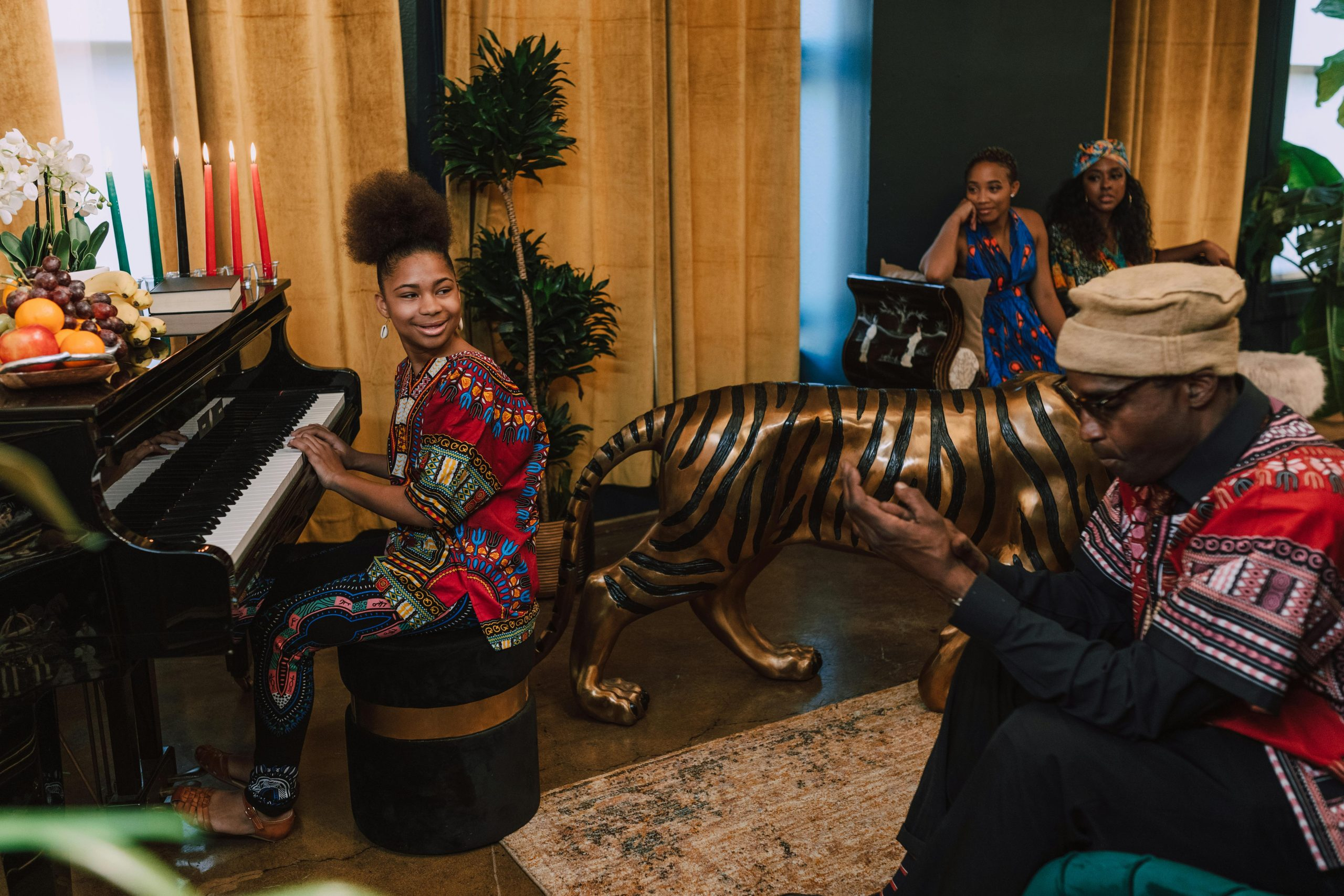
Gospel music is a genre that has been deeply ingrained in the fabric of American culture for centuries. Rooted in the African American experience, this music has evolved and grown to become a powerful and influential force in the world of music. Gospel music is not just a form of entertainment, but it is a deeply spiritual and cultural tradition that has had a significant impact on society. In this article, we will explore the cultural significance of the gospel music tradition and how it has shaped the world we live in today.
The Origins of Gospel Music
The roots of gospel music can be traced back to the early 19th century when African slaves brought their musical traditions and religious beliefs with them to America. In the confined spaces of plantations, they created a new form of music that blended elements of African rhythms and melodies with Christian hymns. This music, known as Negro spirituals, served as a means of spiritual expression and hope for a better future.
As the African American community grew and evolved, so did their music. In the early 20th century, gospel music evolved into a more formal and organized genre with the emergence of gospel choirs and quartets. These groups traveled across the country, performing in churches and concert halls, spreading the uplifting and powerful message of gospel music to a wider audience.
The Message of Gospel Music
Gospel music is deeply rooted in the Christian faith and has a strong focus on spiritual and religious themes. Its lyrics often draw from biblical stories and teachings, offering messages of hope, redemption, and salvation. This music has been a source of strength and comfort for many African Americans, providing a sense of community and connection to their faith.
Besides its spiritual message, gospel music also played a significant role in the civil rights movement of the 1950s and 1960s. Many gospel songs served as anthems of hope and freedom, inspiring individuals to stand up against racial inequality and injustice. Artists like Mahalia Jackson and The Staple Singers used their music to spread a message of love, peace, and equality, which resonated with people across the nation.
The Influence of Gospel Music on Popular Culture
Over the years, gospel music has had a profound influence on popular culture. Its powerful vocal harmonies and emotional melodies have been incorporated into various genres, including R&B, soul, and even rock and roll. Gospel music has also been a source of inspiration for many well-known artists, such as Aretha Franklin, Elvis Presley, and Whitney Houston, who have all included gospel elements in their music.
Beyond its musical influence, gospel music has also shaped the fashion, dance, and language of African American communities. Its unique style of singing and call and response patterns have become iconic features of black culture, making a lasting impact on American society as a whole.
The Future of Gospel Music
Today, gospel music continues to thrive and evolve, carrying on its legacy of uplifting and inspiring generations. With the rise of social media and online platforms, this genre has reached a global audience, spreading its message of hope and faith to people of all backgrounds. Additionally, contemporary gospel artists are pushing the boundaries and incorporating modern elements, such as hip-hop and electronic beats, to appeal to a younger audience.
In Conclusion
Gospel music is more than just a genre of music; it is a cultural tradition that has left a profound impact on American society. Its powerful messages of faith, hope, and social justice have inspired and united people across generations, making it an essential part of our cultural heritage. As we continue to move forward, it is vital to recognize and celebrate the cultural significance of the gospel music tradition, which will undoubtedly continue to shape and influence our world for years to come.
Leave a Reply