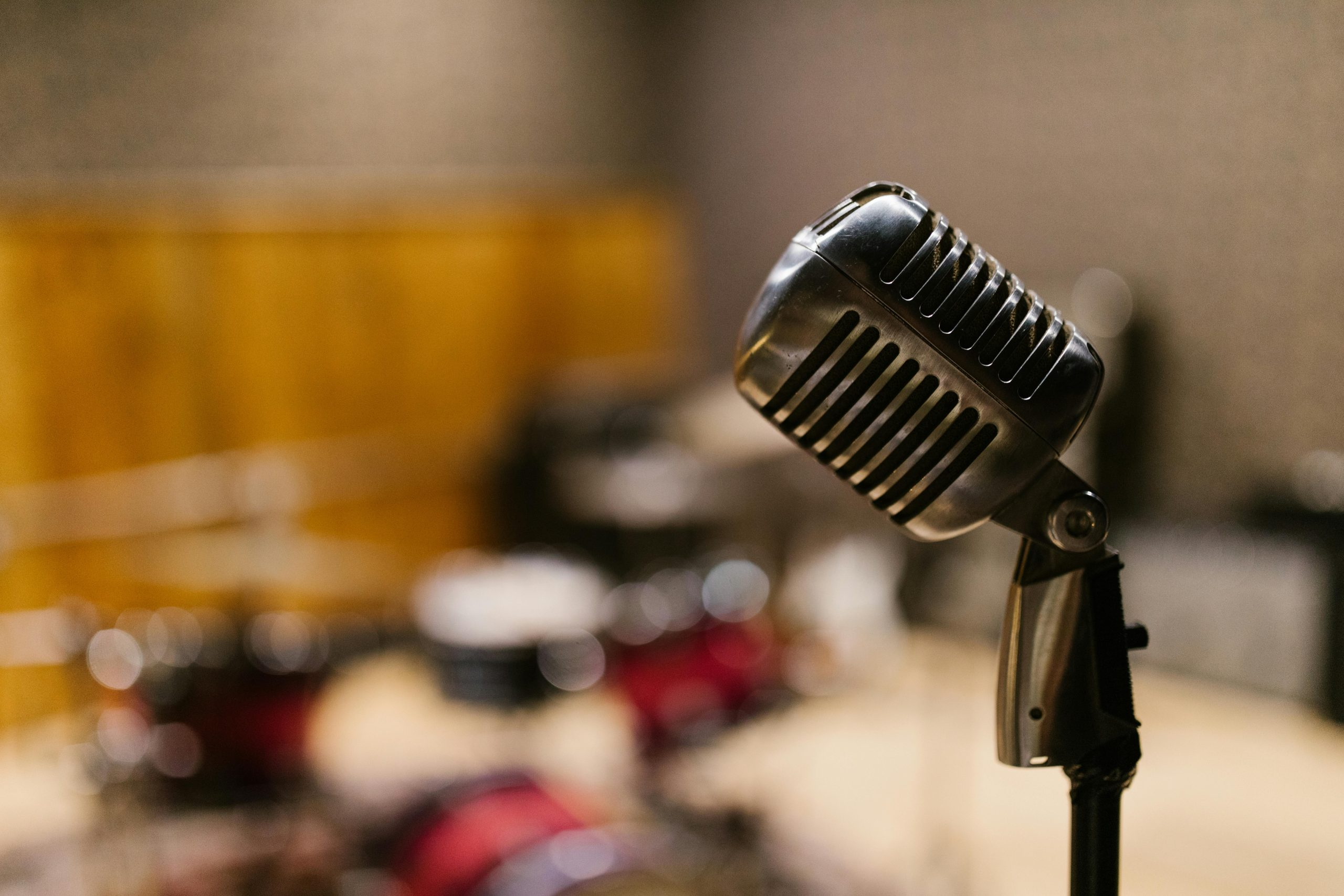
Are you looking to build a home recording studio? Whether you’re a musician, podcaster, or aspiring voice actor, having your own recording space can make a huge difference in the quality and convenience of your work. But where do you start? There are so many gear and equipment options out there, it can be overwhelming. Don’t worry, we’ve got you covered. In this article, we’ll go over the essential gear that every home recording studio needs. From microphones to monitors, we’ll break down what you need to know to create a professional and high-quality studio in the comfort of your own home.
Microphones
Of course, microphones are a must-have for any recording studio. But which ones do you really need? Here are the top two microphones that every home recording studio should have:
Condenser Microphone
A condenser microphone is a must-have for recording vocals, acoustic instruments, and even some electric instruments. These microphones are known for their sensitivity and ability to capture detail and nuances in sound. They also provide a clear and natural sound that is essential for professional recordings. Popular options include the Shure SM7BG and the AKG C414.
Dynamic Microphone
In addition to a condenser microphone, having a dynamic microphone is also crucial in a home recording studio. These types of microphones are great for recording loud sounds, such as drums and amplified instruments. They are also durable and can handle high sound pressure levels, making them ideal for live performances. Some popular options are the Shure SM57 and the Electrovoice RE20.
Audio Interface
An audio interface is the bridge between your microphones and your computer. It allows you to connect multiple microphones and instruments, and to control the input levels and sound quality. When looking for an audio interface, make sure to consider the number of inputs and outputs you need, as well as the quality of the preamps (which amplify the sound). Popular options include the Focusrite Scarlett 2i2 and the Universal Audio Apollo Twin.
Studio Monitors
Studio monitors are speakers specifically designed for recording and mixing purposes. Unlike regular speakers, they provide a flat frequency response, meaning they don’t artificially enhance or boost certain frequencies. This allows you to hear your recordings accurately and make adjustments as needed. Some popular options include the KRK Rokit and the Yamaha HS Series.
Headphones
Headphones are essential for monitoring your recordings. They allow you to hear every detail and make precise adjustments to your mix. When looking for headphones for your home recording studio, make sure to choose ones with a flat frequency response. Some popular options are the Audio-Technica ATH-M50x and the Beyerdynamic DT770 Pro.
DAW Software
DAW (Digital Audio Workstation) software is the heart of any home recording studio. It allows you to record, edit, and mix your recordings, as well as add effects and plugins. While there are many DAW options out there, some popular ones include Pro Tools, Logic Pro X, and Ableton Live.
Vocal Booth/Isolation Shield
If you’re recording vocals or instruments in a room that’s not acoustically treated, a vocal booth or isolation shield can make a huge difference in the quality of your recordings. These devices help to eliminate unwanted room reflections and background noise, allowing your recordings to sound cleaner and more professional. Popular options include the sE Electronics Reflexion Filter and the Isovox Mobile Vocal Booth.
Cables and Stands
Last but not least, don’t forget the little things. Cables and stands are essential for connecting your gear and keeping everything in place. Make sure to stock up on XLR cables for your microphones, as well as instrument cables and patch cables for your audio interface and monitors. Don’t forget to also get some sturdy mic stands and speaker stands for proper placement and stability.
Building a home recording studio can be a fun and exciting process. With the essential gear mentioned above, you’ll be well on your way to creating professional and high-quality recordings. Remember to choose gear that fits your specific recording needs, and don’t be afraid to experiment and find what works best for you. Happy recording!
Leave a Reply