Blog

  • Building Strong Partnerships Between Local Businesses And Tech Schools

    Building Strong Partnerships Between Local Businesses And Tech Schools

    Welcome to the digital age, where technology is constantly advancing and shaping the way we live and do business. With the rise of the tech industry, there is a growing demand for skilled professionals in this field. Local businesses are finding it increasingly difficult to keep up with the rapid developments in technology and are in dire need of trained individuals to help them stay current and compete in the market.

    The Need for Strong Partnerships

    The shortage of skilled tech professionals has led to a growing partnership between local businesses and tech schools. This collaboration aims to bridge the gap between the demand for tech talent and the availability of skilled individuals in the job market. By building strong partnerships, both parties can benefit and thrive in this fast-paced digital world.

    Benefits for Local Businesses

    Partnering with tech schools can provide numerous benefits for local companies. Firstly, it allows them to have access to a pool of skilled candidates who can fill their job vacancies. These individuals are trained in the latest technologies and have the necessary skills to help businesses stay ahead of the competition. Additionally, partnering with tech schools can also save businesses time and resources on recruitment efforts, as the schools can help with the hiring process.

    Benefits for Tech Schools

    On the other hand, tech schools also benefit from these partnerships. By collaborating with local businesses, they have a better understanding of the skills and knowledge that are in demand in the job market. This helps them tailor their curriculum and training programs to meet the needs of the industry, making their graduates more employable. Furthermore, partnerships with local businesses also provide students with internship opportunities, giving them real-world experience and preparing them for the workforce.

    Strategies for Building Strong Partnerships

    To ensure the success of the partnership between local businesses and tech schools, it is essential to have a well-planned strategy in place. Some key strategies to consider are:

    1. Regular Communication

    To build a strong partnership, there must be open and regular communication between the two parties. This allows for a better understanding of each other’s needs and goals, and helps to establish a strong working relationship.

    2. Collaborative Projects

    Collaborating on projects can benefit both parties. Local businesses can provide real-world projects for students to work on, giving them hands-on experience. In return, businesses can receive innovative and fresh ideas from the students, which can help them stay ahead in their industry.

    3. Continuous Learning Opportunities

    The world of technology is constantly evolving, and it is vital for both businesses and tech schools to stay updated. By continuously learning and upskilling, students can graduate with the latest knowledge and skills, making them more valuable to potential employers.

    4. Networking Events

    Organizing networking events can bring local businesses and tech schools together, allowing them to network, share knowledge and discuss potential opportunities for collaboration.

    Conclusion

    In conclusion, building strong partnerships between local businesses and tech schools is crucial for the growth and success of both parties. By working together, they can bridge the gap between the demand for tech talent and the available skilled professionals, leading to a more prosperous and innovative economy.


  • Mastering the Art of Preparing Classic Italian Risotto

    Mastering the Art of Preparing Classic Italian Risotto

    In the culinary world, few dishes evoke the same level of comfort and sophistication as classic Italian risotto. This buttery, creamy rice dish, often served as a main course or side dish depending on the recipe, has become a staple on menus and in homes all over the world. While it may seem simple to prepare, mastering the art of making the perfect risotto takes time, technique, and a deep understanding of the dish’s history and traditional methods. In this article, we will delve into the world of Italian risotto and explore the secrets to creating a mouthwatering, authentic dish that will impress even the most discerning palate.

    What Makes Risotto So Special?

    Risotto is a beloved Italian rice dish that originated in Northern Italy, particularly in the regions of Piedmont, Lombardy, and Veneto. It is typically made with a short-grain variety of rice, such as Arborio, Carnaroli, or Vialone Nano, cooked in broth and slowly stirred until it reaches a creamy, al dente consistency. This unique method of cooking the rice creates a rich, velvety texture and allows for a variety of flavors to be infused into the dish, making it endlessly versatile. While there are numerous variations of risotto, some traditional favorites include risotto alla milanese (saffron-infused risotto), risotto al porcino (wild mushroom risotto), and risotto al radicchio (made with the bitter, red leaf vegetable).

    The Basics of Cooking Risotto

    Before diving into the complexities of mastering risotto, it’s essential to understand the basic steps involved in cooking this classic dish. The first key to successful risotto is using the right type of rice. The short-grain varieties mentioned above are essential because they have a higher starch content, which helps create the creamy texture of the dish. Long-grain rice, on the other hand, will not yield the same result.

    Next, it’s crucial to use a good quality broth to cook the rice. The broth adds depth of flavor to the dish and ensures that the rice is cooked evenly. While chicken or vegetable broth is often used, some traditional recipes call for meat-based broths, such as veal or beef, for a more robust flavor.

    The most critical step in making risotto is the stirring. As the rice cooks, its starch is released, creating the signature creaminess of the dish. This process also requires the addition of the broth in small increments, allowing the rice to absorb the liquid slowly. The constant stirring is necessary to prevent the rice from sticking to the pan and to ensure that the rice cooks evenly.

    The Secrets to Perfect Risotto

    1. Use Good Quality Ingredients

    As with any dish, the quality of your ingredients will directly affect the final result. When making risotto, it’s essential to use the best quality rice, broth, butter, and cheese you can find. Each ingredient adds crucial elements of flavor and texture to the dish, giving it that authentic Italian taste.

    2. Be Patient

    Risotto is not a quick meal to prepare. The process of constantly stirring and adding broth may seem tedious, but it’s a crucial step in achieving the perfect texture and flavor. Don’t rush the cooking process; instead, take your time and enjoy the process of creating this delicious dish.

    3. Utilize Proper Technique

    As mentioned earlier, the technique of cooking risotto is just as important as the ingredients used. Make sure to use a heavy-bottomed pan to prevent the rice from burning and create an even distribution of heat. Additionally, adding a splash of white wine to the pan before adding the broth helps deglaze the pan and adds a subtle tanginess to the dish.

    4. Add a Touch of Love

    No, this isn’t an ingredient, but it’s often said that the secret ingredient in Italian cooking is love. The same goes for risotto. When cooking this dish, put your heart and soul into it, and you’ll taste the difference in the final result.

    In Conclusion

    Making a perfect Italian risotto is not a simple task, but with practice and patience, anyone can master this timeless dish. As you experiment with different flavors and ingredients, remember to stay true to the traditional techniques and use quality ingredients. With these tips in mind, you’ll be well on your way to creating the perfect risotto every time. Buon appetito!

  • Understanding the Evolution of Lingerie as Outerwear

    Understanding the Evolution of Lingerie as Outerwear

    Lingerie has been a staple in women’s wardrobes for centuries, designed to enhance beauty, boost confidence, and arouse desire. However, there’s been a recent shift in the fashion industry, where lingerie has taken center stage as outerwear. This trend has not only sparked controversy but also raised questions about the evolution of lingerie and its role in society. In this article, we will take a closer look at the history of lingerie and how it has transformed into a statement piece in today’s fashion world.

    The Beginnings of Lingerie

    The word “lingerie” comes from the French word “linge”, which means undergarments. The first recorded use of lingerie dates back to 3000 BC in ancient Egypt, where women wore loincloths made of linen under their clothing. In the Middle Ages, European women wore chemises, a simple loose-fitting undergarment, made of linen or silk. However, it wasn’t until the 16th century that corsets, an undergarment designed to shape and support the body, became popular.

    The Impact of Industrialization

    The Industrial Revolution in the 19th century had a significant impact on lingerie. The development of textile machinery led to the mass production of fabrics, making lingerie more affordable and accessible to the general population. During this time, lingerie also became a symbol of social class, with the upper class wearing more elaborate and decorative pieces.

    From Functionality to Fashion

    In the early 20th century, lingerie was still primarily seen as a practical undergarment, worn for its functional purposes. However, this changed in the 1920s, where fashion trends shifted to loose-fitting and more revealing clothing. This resulted in the development of shorter and less restrictive undergarments like bloomers and tap pants, which reflected the changing attitudes towards women’s freedom and independence.

    The Sexual Revolution and Lingerie

    The 1960s saw a significant shift in society’s attitudes towards sex and sexuality, known as the sexual revolution. This movement had a direct influence on lingerie, with the emergence of more daring and provocative styles such as thongs and babydolls. Lingerie was no longer limited to hidden undergarments but became a form of self-expression and sexual empowerment for women.

    From Undergarment to Outerwear

    The 1980s and 1990s saw a transformation in the way lingerie was perceived and worn. Lingerie began to be incorporated into everyday fashion, with Madonna famously wearing lingerie as outerwear in her music videos and performances. This trend has continued to evolve, with celebrities and fashion icons like Rihanna and Gigi Hadid regularly spotted wearing lingerie-inspired pieces on the red carpet and in their everyday attire.

    The Future of Lingerie as Outerwear

    Today, lingerie as outerwear is a common sight on the runway and in popular culture. From corset tops to slip dresses, lingerie has become a statement piece for women to express their femininity and sensuality. This trend has also extended to men’s fashion, with brands like Calvin Klein and Tom Ford incorporating lingerie-inspired pieces into their collections.

    The Social and Cultural Implications

    The evolution of lingerie as outerwear has not been without its controversies. Some argue that it objectifies women and promotes unrealistic beauty standards. On the other hand, many see it as a form of self-expression and empowerment for women. With the rise of the body positivity movement, lingerie has become more inclusive, with brands offering a wider range of sizes and styles for all body types.

    In conclusion, the evolution of lingerie as outerwear reflects the changing attitudes towards sex, sexuality, and women’s empowerment. From its beginnings as a functional undergarment to a statement piece, lingerie has come a long way, and its journey is far from over. Whether you choose to incorporate it into your everyday attire or save it for special occasions, there’s no denying that lingerie will continue to be a timeless and essential part of women’s fashion.

  • Why Play Based Learning Is Essential For Kindergarten Development

    Why Play Based Learning Is Essential For Kindergarten Development

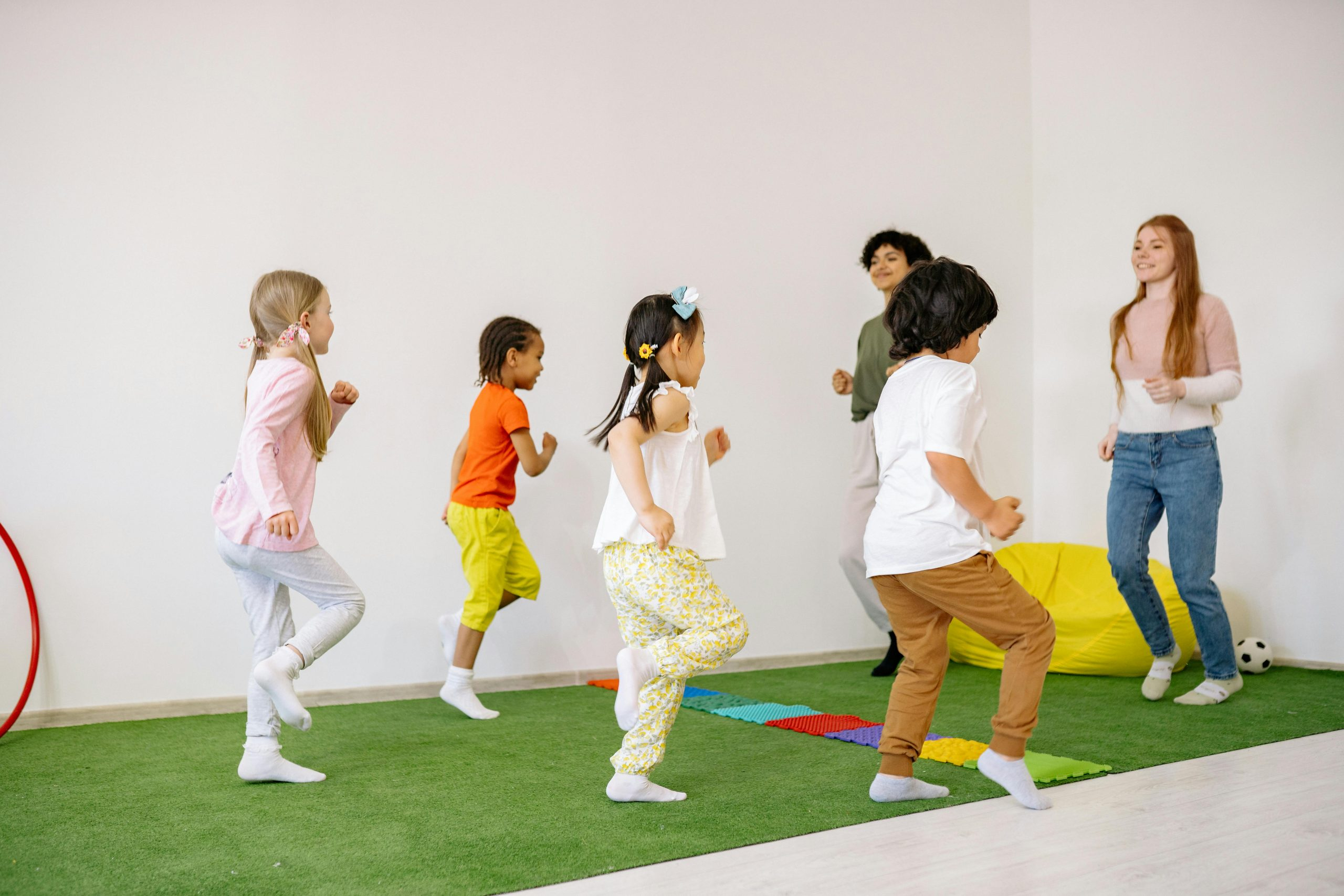
    If you’ve ever watched a group of kindergarten students at play, you’ve probably witnessed a remarkable sight. These young children, full of boundless energy and curiosity, engage in imaginative games, build intricate block structures, and create art with reckless abandon. And while it might just seem like playtime to the untrained eye, what is actually happening is much more profound. The truth is, play-based learning is an essential component of early childhood education, and it plays a crucial role in the development of kindergarten students.

    The Importance of Play-Based Learning

    Play-based learning is based on the belief that children learn best through play. By engaging in purposeful and meaningful play, children develop essential skills and understandings that will serve as the foundation for their future learning. In fact, research has shown that play-based learning has numerous benefits for kindergarten students, including:

    1. Development of Social Skills

    Through play, children learn how to communicate, cooperate, and problem-solve with others. As they play together, they develop important social skills such as sharing, taking turns, and empathy.

    2. Enhancement of Creativity and Imagination

    Play allows children to use their imaginations to create new worlds, stories, and scenarios. This not only fosters their creativity but also helps them develop critical thinking skills as they come up with solutions to challenges in their play.

    3. Improvement of Physical and Motor Skills

    Play-based learning often involves physical activities such as running, jumping, and climbing, which help develop gross motor skills. It also involves fine motor activities, such as building with blocks or drawing, which help develop hand-eye coordination and fine motor skills.

    4. Acquisition of Language and Literacy Skills

    Play-based learning provides children with opportunities to engage in language-rich activities such as storytelling, role-playing, and singing. As they interact and communicate with others through play, they develop their language and literacy skills without even realizing it.

    Why Play-Based Learning is Essential for Kindergarten Development

    While all children benefit from play-based learning, it is especially crucial for kindergarten students. This is because kindergarten is a critical time in a child’s development, where they are laying the foundation for future academic success. Play-based learning allows them to learn and explore in a fun and stimulating environment, ensuring that they are ready for more formal learning when they enter primary school.

    In the kindergarten classroom, play-based learning takes on many forms. It includes dramatic play, where children take on different roles and act out scenarios; block play, where they build structures using different materials; and sensory play, where they explore and engage with different textures, smells, and colors. These activities not only help develop various skills but also cater to the different learning styles and interests of kindergarten students.

    Final Thoughts

    In conclusion, play-based learning is an essential aspect of early childhood education, particularly for kindergarten students. It provides children with the opportunity to learn, grow, and develop in a way that is natural and enjoyable for them. As an educator or a parent, it is essential to recognize the value of play-based learning and incorporate it into a child’s daily routine. By doing so, we can help these young learners develop the skills, knowledge, and understanding they need to succeed in school and in life.

  • Exploring the Impact of Interior Design on Boutique Aesthetics

    Exploring the Impact of Interior Design on Boutique Aesthetics

    Boutiques are known for their unique and stylish atmosphere, with their carefully curated collections and personalized touch. But one of the most crucial factors that contribute to the success of a boutique is its interior design. The way a boutique is designed and styled has a significant impact on its overall aesthetics and customer experience. In this article, we will explore the various ways in which interior design can influence the aesthetics of a boutique and how it can make or break its success in the fiercely competitive retail industry.

    The Role of Interior Design in a Boutique

    The interior design of a boutique goes far beyond just mere decoration. It is an integral part of the overall brand image and plays a critical role in attracting and retaining customers. It creates an immersive and unique shopping experience that differentiates a boutique from a regular store. The right design can create a lasting impression on customers, making them want to come back for more.

    Captivating the Customers

    The first and most crucial role of interior design in a boutique is to captivate the customers from the moment they step inside. It should create a welcoming and inviting atmosphere that entices customers to explore the store and its products. A well-designed boutique should have a cohesive theme that reflects the brand’s image and resonates with its target audience.

    The use of colors, lighting, and textures plays a significant role in creating the desired ambiance. For instance, a boutique catering to a young and trendy audience may opt for bright colors, bold patterns, and modern lighting, while a luxury boutique may choose a more sophisticated and elegant design with warmer tones and soft lighting.

    Emphasizing the Products

    While the interior design of a boutique should be aesthetically pleasing and welcoming, it should never overpower or distract from the products. The design should be in harmony with the products on display and help highlight them rather than compete with them. The layout of the store should be well thought out, with strategic placement of products, creating an effortless flow for customers to explore and discover new items.

    The placement of shelves, racks, and displays should be optimized to showcase the products’ best features and make them easily accessible to customers. Lighting also plays a crucial role in emphasizing the products. The right lighting can create a focal point, making certain products stand out and look more desirable.

    The Impact on Customer Experience

    Interior design is not just about creating an alluring ambiance; it also has a profound impact on the customer experience. A well-designed boutique takes into consideration the need for comfort and convenience that will enhance the customer’s overall shopping experience. A comfortable seating area, a fitting room with ample space and flattering lighting, and a well-designed checkout counter are just a few elements that can elevate the customer’s experience at a boutique.

    Encouraging Customers to Stay Longer

    A well-designed boutique is not just about making a sale; it’s about creating an experience that customers will want to enjoy and come back for. A well thought out design can entice customers to stay longer, explore more products, and potentially make more purchases. This is achieved through the use of comfortable seating, visually appealing displays, and cleverly placed products that encourage browsing.

    Fostering Brand Loyalty

    The interior design of a boutique can also have a significant impact on creating brand loyalty among customers. A unique and memorable design creates an emotional connection with customers, making them feel a part of the brand’s story. When customers feel a personal connection with the brand, they are more likely to become repeat customers, creating a loyal customer base for the boutique.

    The Bottomline

    Interior design is a powerful tool that can make or break the overall aesthetics and success of a boutique. It goes beyond just making a space look attractive; it plays a crucial role in creating an immersive and unforgettable customer experience. A well-designed boutique helps attract and retain customers, fosters brand loyalty, and ultimately drives sales. In an industry as competitive as retail, investing in quality interior design is not just a luxury but a necessity for any boutique that wants to stand out and succeed.

  • The Ethics of Using Artificial Intelligence in Design

    The Ethics of Using Artificial Intelligence in Design

    Artificial intelligence (AI) has been a hot topic in recent years, with advances and innovations being made in various industries. From self-driving cars to virtual assistants, AI has shown its potential to revolutionize the way we live and work. In the design field, AI has also been making its mark, with algorithms and machine learning being used to create designs and help designers in their creative process. While this may seem like a convenient tool for designers, there are ethical considerations that need to be addressed when using AI in design. In this article, we will explore the ethics of using artificial intelligence in design and the implications it may have on the industry.

    The Rise of AI in Design

    In order to understand the ethics of using AI in design, it is important to first understand its role in the industry. In recent years, AI has been making its way into design tools and processes, providing designers with a new level of efficiency and creativity. AI-powered design tools such as Adobe’s Sensei and Canva’s Design AI have been gaining popularity, allowing designers to automate repetitive tasks and generate design options based on data and algorithms.

    Furthermore, AI has also been used in the design process itself. For example, AI-powered generative design has been used to create optimized and innovative designs for products and structures. This technology uses algorithms to analyze data and create design options that meet certain criteria, taking into consideration factors such as material strength and weight.

    The Benefits of Using AI in Design

    The use of AI in design brings numerous benefits to the table. First, it allows designers to save time and energy by automating repetitive tasks, leaving them with more time to focus on the creative aspects of their work. This also leads to increased productivity, as designers can produce more design options in a shorter amount of time. Moreover, the use of AI in design can also result in more innovative and optimized designs, as it is able to process and analyze data in a way that humans cannot.

    AI also has the potential to bridge the gap between designers and their clients. With the help of AI, designers can generate multiple design options and present them to clients, allowing for more collaboration and feedback in the design process. This can lead to a more efficient and satisfying experience for both parties.

    The Ethical Considerations

    While the benefits of using AI in design are apparent, there are ethical considerations that need to be addressed before fully embracing this technology. One of the main concerns is the potential loss of jobs for designers. With AI automating tasks and generating design options, some fear that it will render designers obsolete. This raises the question of whether or not AI should be used for tasks that were previously done by human designers.

    Additionally, there is the issue of bias in AI-powered design tools. AI is only as unbiased as the data it is fed. If the data used to train the algorithm contains biases, then the resulting designs will also reflect those biases. This can have serious consequences, especially in industries where diversity and inclusivity are crucial, such as fashion and advertising.

    Addressing the Ethics of Using AI in Design

    In order to address these ethical considerations, it is important for designers and companies to have a code of ethics when it comes to using AI in design. This may include guidelines on when and how AI should be used, as well as ensuring that the data used to train the algorithms is diverse and unbiased. Companies also have a responsibility to invest in the training and upskilling of designers to adapt to the changing landscape of design.

    Moreover, designers should also have a deeper understanding of AI and its implications in order to make informed decisions when using it in their work. This will not only ensure ethical practices, but also help designers use AI to its full potential.

    In Conclusion

    The use of AI in design undoubtedly brings numerous benefits and opportunities. However, it is important to address the ethical considerations that come with it. By having a code of ethics and a deeper understanding of AI, designers can continue to harness the power of this technology while ensuring ethical practices are in place. As AI continues to evolve and become more prevalent in the design industry, it is crucial that we continue to have these conversations and strive for ethical and responsible use.

  • The Role Of Philosophy In Developing Independent Young Thinkers

    The Role Of Philosophy In Developing Independent Young Thinkers

    As children, we are often taught that the only way to learn is through a structured education system. We are told what to think, what to believe, and how to conform to societal norms. But what if there was a way to encourage independent thinking and foster critical thought in young minds? This is where the role of philosophy comes in. Philosophy, often seen as a lofty and abstract subject, is actually a powerful tool in developing independent young thinkers. In this article, we will explore how philosophy can help children question the world around them, think critically, and form their own independent beliefs.

    The Importance of Questioning

    One of the fundamental tenets of philosophy is to question everything. Through questioning, we are able to challenge our own beliefs and ideas, as well as those of society. This is particularly important for young minds, as it allows them to develop a healthy skepticism and not blindly accept what they are told.

    Philosopher and educator John Dewey believed that children should be encouraged to ask questions and search for answers, rather than simply memorizing information. By engaging in philosophical discussions, children learn to think for themselves and form their own opinions, rather than accepting what they are told without question.

    The Power of Critical Thinking

    Philosophy also teaches children how to think critically and objectively. In a world filled with information and opinions, it is crucial for children to be able to weigh different perspectives and come to their own conclusions. Through philosophical discussions and debates, children learn to analyze arguments, recognize biases, and form evidence-based opinions.

    Moreover, philosophy encourages children to think creatively and outside the box. It challenges them to think beyond the obvious and to consider alternative perspectives. By developing critical thinking skills, children are better equipped to navigate the complexities of the world and make informed decisions for themselves.

    Fostering Independence

    The ability to think independently is a highly valuable skill that is cultivated through philosophy. By questioning and thinking critically, children learn to form their own beliefs and values, rather than blindly following the crowd. This independence of thought is important both in personal and professional life, as it allows individuals to make their own decisions and take ownership of their beliefs.

    Moreover, philosophy encourages children to form their own set of moral values and principles. By exploring different ethical theories and discussing moral dilemmas, children learn to think about right and wrong in a more nuanced and individualized way. This helps them develop their own sense of morality, rather than simply relying on the morals of others.

    Implementing Philosophy in Education

    Despite its numerous benefits, philosophy is often overlooked in traditional education systems. However, there are many ways to incorporate philosophical discussions and activities into classroom learning. For example, teachers can use thought-provoking questions and open-ended discussions to encourage critical thinking and independent thought.

    Moreover, there are numerous educational programs, such as Philosophy for Children, that aim to introduce philosophical concepts and discussions to children at a young age. By introducing philosophy early on, children are able to develop their critical thinking skills from a young age and carry them throughout their lives.

    In Conclusion

    Philosophy may seem like a distant and abstract subject, but its role in developing independent young thinkers should not be underestimated. By encouraging questioning, critical thinking, and fostering independence, philosophy equips children with the skills they need to navigate the complexities of the world and form their own beliefs. So let’s not limit our children’s education to just the basics, but introduce them to the powerful world of philosophy and watch them grow into independent, critical, and thoughtful individuals.

  • Implementing Trauma Informed Teaching Practices In Urban School Districts

    Implementing Trauma Informed Teaching Practices In Urban School Districts

    Urban school districts face unique challenges in providing quality education to their diverse student population. One issue that has gained attention in recent years is the impact of trauma on students’ learning and well-being. Traumatic experiences, such as poverty, neighborhood violence, and family instability, can significantly affect a student’s ability to engage in the classroom and succeed academically. In response, many urban school districts are turning to trauma informed teaching practices to better support their students. In this article, we will explore what it means to implement trauma-informed teaching practices in urban school districts and the potential benefits it can bring.

    The Need for Trauma-Informed Teaching in Urban School Districts

    The urban school environment is often characterized by high levels of poverty, crime, and social instability. This reality is reflected in the student body, where many students come from low-income families, experience violence in their communities, and face other adversities. According to a study by the National Child Traumatic Stress Network, more than two-thirds of children living in urban areas have been exposed to one or more traumatic events by the age of 16.

    These experiences can have a profound impact on a student’s mental and emotional well-being, as well as their academic performance. Students who have experienced trauma may have difficulty regulating their emotions, forming relationships, and trusting authority figures. In the classroom, this can manifest as disruptive behavior, disengagement from learning, and poor academic outcomes. Traditional teaching methods may not be effective for students who are dealing with trauma, leading to a cycle of academic failure and frustration.

    What is Trauma-Informed Teaching?

    Trauma-informed teaching is an approach to education that recognizes and responds to the impact of trauma on students. It goes beyond simply understanding the effects of trauma; it involves actively addressing the needs of students who have experienced trauma in the classroom. This approach is based on the principles of safety, trust, choice, and collaboration.

    Safety: Trauma-informed teaching creates a physically and emotionally safe environment for students. This can be achieved by establishing clear rules and boundaries, as well as providing students with a predictable routine and a sense of control in the classroom.

    Trust: Building trust with students is essential for trauma-informed teaching. This involves connecting with students on a personal level, showing empathy, and being responsive to their needs. Teachers must also be consistent and reliable in their interactions with students, as many students who have experienced trauma may have trust issues.

    Choice: Giving students a sense of choice and control can help them regain a sense of agency after experiencing trauma. This can be as simple as allowing students to choose their own seat or giving them options for assignments. When students feel they have a choice, they are more likely to engage in learning.

    Collaboration: Trauma-informed teaching involves collaboration between teachers, students, and families. Teachers must work closely with students’ families to better understand their experiences and needs. This collaboration can help create a more supportive and nurturing learning environment for students.

    The Benefits of Trauma-Informed Teaching in Urban School Districts

    Implementing trauma-informed teaching practices in urban schools can have a significant impact on students’ academic and emotional well-being. By addressing the needs of students who have experienced trauma, teachers can create a more inclusive and supportive learning environment for all students.

    Improved academic outcomes

    When students feel safe and supported in the classroom, they are better able to focus on learning. Trauma-informed teaching can help reduce disruptive behavior and improve students’ ability to regulate their emotions, leading to better academic outcomes. Students who have experienced trauma may also benefit from personalized learning approaches, such as individualized instruction and flexible assignments.

    Positive school culture

    Trauma-informed teaching practices can also have a positive impact on the overall school culture. By creating a more supportive and inclusive environment, teachers can foster stronger relationships between students, increase empathy and understanding, and promote a sense of belonging for all students.

    Enhanced emotional well-being

    Perhaps the most significant benefit of trauma-informed teaching is the positive impact it can have on students’ emotional well-being. By addressing the root causes of disruptive behavior, teachers can help students regulate their emotions and develop coping strategies. Trauma-informed teaching also places a strong emphasis on social-emotional learning, providing students with the skills they need to navigate difficult emotions and build resilience.

    Implementing Trauma-Informed Teaching Practices in Your Urban School District

    Implementing trauma-informed teaching practices in your school district requires a collaborative effort from all stakeholders. Here are some steps you can take to get started:

    Educate teachers and staff

    Start by providing training to teachers and staff on trauma-informed teaching practices. This can help teachers better understand the effects of trauma and how to respond effectively in the classroom.

    Create a supportive school environment

    Establish a school-wide approach to trauma-informed teaching. This can include implementing school-wide rules and routines that promote safety and trust, as well as providing resources and support for students and families.

    Partner with community organizations

    Collaborate with community organizations that can provide additional support and resources for students who have experienced trauma. These partnerships can help provide a more comprehensive approach to trauma-informed teaching.

    Involve families

    Lastly, involve families in the process. Create opportunities for families to share their experiences and provide input on how to best support their children. This collaboration can help create a more culturally responsive approach to trauma-informed teaching.

    Conclusion

    Incorporating trauma-informed teaching practices in urban school districts is essential for providing a quality education to all students. By recognizing and addressing the needs of students who have experienced trauma, teachers can create a more inclusive and supportive learning environment, leading to improved academic outcomes and emotional well-being. By working together, educators, families, and community organizations can make a significant difference in the lives of urban students.

  • How Consumer Data Is Shaping Retail Stock Decisions

    How Consumer Data Is Shaping Retail Stock Decisions

    The retail industry has seen significant changes in recent years thanks to the rise of big data and consumer analytics. With the increasing availability and utilization of consumer data, retailers are now able to make more informed and data-driven decisions, particularly when it comes to stock management. In this article, we will explore how consumer data has become a crucial factor in shaping retail stock decisions, and how companies are leveraging this information to stay ahead in the highly competitive retail market.

    The Growing Importance of Consumer Data

    In today’s digital age, consumer data is generated at an unprecedented rate. From online transactions and social media interactions to in-store purchases and loyalty card usage, data is being collected from various touchpoints. This data includes information such as demographics, shopping preferences, purchasing history, and more, providing retailers with a unique insight into their customers’ behaviors and preferences.

    The ability to collect, analyze, and interpret this data has become a game-changer for retailers. It allows them to understand their customers on a deeper level, tailor their marketing strategies, and ultimately improve their bottom line. However, one of the most significant benefits of consumer data lies in its impact on stock decisions.

    How Consumer Data is Shaping Retail Stock Decisions

    Demand Forecasting and Inventory Management

    Consumer data has transformed the way retailers manage their inventory. By analyzing historical sales data, retailers can now predict future demand for products accurately. Through this demand forecasting, they can adjust their inventory levels accordingly, avoiding stock shortages or overstocking.

    Furthermore, analyzing consumer data can also help retailers identify patterns in customer behavior, such as the time of day or season, that affect demand for specific products. This knowledge allows retailers to manage their stock levels more effectively, reducing the risk of lost sales or unnecessary inventory costs.

    Retailers Can Make Data-Driven Product Decisions

    Consumer data not only helps retailers manage their current stock but also informs their future product decisions. By analyzing customer preferences, retailers can identify which products are in high demand and which are not performing well. This information enables retailers to make data-driven decisions on which products to stock, discontinue, or modify.

    Furthermore, by understanding consumer behavior, retailers can determine factors such as price sensitivity and brand loyalty, allowing them to make informed decisions on pricing and promotions. Adjusting pricing based on customer data can result in increased sales, as customers are more likely to purchase products at a price point they feel comfortable with.

    Utilizing Consumer Data in E-Commerce

    Consumer data has also been a significant driving force behind the growth of e-commerce. With the abundance of data available, online retailers can personalize their offerings to individual customers, providing a more customized and enjoyable shopping experience. By analyzing customer behavior on their websites, online retailers can recommend products that are more likely to appeal to each specific customer, increasing the chances of conversion.

    E-commerce retailers can also leverage consumer data to improve their supply chain management. By tracking online purchases and customer preferences, online retailers can manage their inventory more efficiently, avoiding stockouts and increasing customer satisfaction.

    The Future of Consumer Data in Retail Stock Decisions

    The use of consumer data to inform retail stock decisions is a rapidly growing trend, and it is expected to continue evolving in the future. As technology advances and more data sources become available, retailers will have access to even more robust and diverse consumer data. This data will continue to shape stock decisions, especially in the areas of product assortment, pricing, and inventory management.

    Furthermore, the integration of artificial intelligence and machine learning in data analysis will make it easier for retailers to identify patterns and trends, providing them with more accurate insights into consumer behavior and preferences. The result will be more precise and efficient retail stock decisions, benefiting both retailers and their customers.

    Conclusion

    In conclusion, consumer data is no longer just a tool for marketers, but a vital factor in shaping retail stock decisions. By using this data to forecast demand, manage inventory, and make data-driven product decisions, retailers can stay ahead in the highly competitive retail landscape. As consumer data continues to play a crucial role in retail operations, companies that embrace and leverage it will undoubtedly have a competitive advantage in the future.

  • How Project Based Learning Prepares Students For Real Careers

    How Project Based Learning Prepares Students For Real Careers

    In today’s fast-paced and ever-evolving job market, it’s becoming more important than ever for students to have practical skills and experience. While traditional classroom settings are valuable for learning foundational knowledge, there’s a growing demand for students to be able to apply that knowledge in real-world settings. This is where project-based learning (PBL) comes in – a teaching method that emphasizes hands-on, collaborative projects that prepare students for real careers.

    The Benefits of Project-Based Learning

    Project-based learning is a teaching approach that requires students to actively participate in projects to learn new concepts and skills. Instead of simply memorizing information, students are challenged to apply their knowledge to solve real-world problems. This type of learning has numerous benefits for students.

    Develops Practical Skills

    One of the main advantages of project-based learning is the development of practical skills. In a project-based setting, students are required to work together to plan, research, and present their projects. This collaborative effort not only cultivates teamwork, but it also strengthens communication and problem-solving skills – all essential skills for success in the workforce.

    Prepares Students for a Variety of Careers

    PBL is a versatile teaching method that can be applied to a wide range of subjects and industries. By engaging in hands-on projects, students gain valuable experience that can be transferred to various fields. This prepares them for a variety of career paths, regardless of their future interests or goals.

    How PBL Prepares Students for Real Careers

    Project-based learning is an effective method for preparing students for real careers by providing them with practical skills and experience. Here are some specific ways in which PBL can help students succeed in the workforce:

    Develops Problem-Solving Skills

    In the workplace, employees are faced with challenges and problems on a daily basis. PBL teaches students how to think critically and creatively to find solutions. By working on complex projects, students learn to identify problems, analyze information, and generate solutions – skills that are highly sought after by employers.

    Encourages Independent Learning

    PBL is a student-centered approach to learning, which allows students to take control of their education. As they work on projects, students are responsible for their own learning, giving them the opportunity to research and explore subjects that interest them. This cultivates a sense of self-directed learning, which is crucial for success in the professional world.

    Facilitates Real-World Application

    The ultimate goal of project-based learning is to prepare students for real careers. By engaging in hands-on projects, students are exposed to real-world scenarios and problems, allowing them to apply their knowledge and skills in a practical setting. This not only prepares them for potential careers, but it also gives them a taste of what they can expect in the workforce.

    Conclusion

    PBL is a teaching method that goes beyond textbooks and lectures and prepares students for the real world. By challenging students to think critically, work collaboratively, and apply their skills to solve real-world problems, project-based learning is an essential tool for preparing students for their future careers. With the demand for practical skills and experience on the rise, it’s clear that PBL is a valuable approach to education that can benefit students in numerous ways.

  • Designing Clothes That Are Functional and Aesthetically Pleasing

    Designing Clothes That Are Functional and Aesthetically Pleasing

    When it comes to fashion, functionality and aesthetic appeal are often seen as two competing factors. However, in recent years, there has been a major shift in the way designers approach clothing. They are now merging form and function, creating clothes that not only look good but also serve a purpose. This trend has been particularly popular in the activewear industry, but it is making its way into mainstream fashion as well. In this article, we will explore the concept of designing clothes that are both functional and aesthetically pleasing.

    The Rise of Functional Fashion

    Gone are the days when fashion was all about impractical clothing that was just meant to make a statement. In today’s fast-paced world, people want clothes that can keep up with their busy lifestyles. This has led to the rise of functional fashion – a trend that focuses on creating clothes that serve a purpose beyond just looking good.

    Functional fashion can be seen in various forms such as clothes with hidden pockets, detachable parts, and durable materials. Brands like Lululemon and Athleta have built their entire business on creating function-focused activewear. These clothes are not only stylish but also designed to withstand intense physical activities like running, yoga, and weightlifting.

    The Importance of Functionality in Clothing

    Functionality in clothing is not just limited to activewear. In fact, it has become a key factor in everyday clothing as well. This is because people are now looking for clothes that can serve multiple purposes and provide comfort throughout the day.

    For instance, workwear is no longer just about looking professional. It also needs to be comfortable enough to be worn all day, especially for those with desk jobs. This has led to the introduction of stretchy fabrics, breathable materials, and wrinkle-resistant clothing in the workwear industry.

    Another important aspect of functionality in clothing is sustainability. With the growing concern for the environment, people are now more conscious of the impact their clothes have on the planet. This has led to a demand for clothes that are made from eco-friendly materials and have a longer lifespan.

    The Role of Aesthetic Appeal

    While functionality is crucial, aesthetic appeal should not be overlooked. After all, clothing is a form of self-expression and can boost one’s confidence. This is where the role of design comes in. To make clothes both functional and aesthetically pleasing, designers need to carefully consider every aspect of the garment.

    Aesthetics in clothing can be achieved through various elements such as color, pattern, and silhouette. A functional piece of clothing can be instantly elevated with the use of bold colors or eye-catching patterns. Similarly, a well-fitted silhouette can make even the simplest of clothes look stylish and put together.

    The Design Process for Functional and Aesthetic Clothing

    Designing clothes that are both functional and aesthetically pleasing requires a different approach from traditional fashion design. It involves a thorough understanding of the wearer’s needs and requirements.

    The first step in the process is research. Designers need to have a clear understanding of the target audience and their lifestyle. This will help them identify the key features the clothes should have to make them functional. Then comes the challenge of incorporating these features in the design without compromising on the aesthetic appeal.

    The next step is material selection. From moisture-wicking fabrics for activewear to breathable and sustainable materials for everyday clothing, designers need to carefully select materials that not only serve a purpose but also look good.

    The final step is testing. Functional and aesthetic clothes need to be tested for performance and durability. This is where feedback from wearers is crucial. Receiving feedback and making necessary adjustments is essential in creating successful functional and aesthetic clothing.

    In Conclusion

    The trend of designing clothes that are both functional and aesthetically pleasing is here to stay. It not only meets the demands of today’s fast-paced lifestyle but also takes into consideration the well-being of the environment. As a consumer, it is important to invest in functional and aesthetic clothes that will not only make you look good but also serve a purpose in your daily life. And as a designer, it is crucial to continue pushing the boundaries and finding new ways to merge form and function in clothing.

  • The Connection Between Proper Nutrition And Better Academic Performance

    The Connection Between Proper Nutrition And Better Academic Performance

    The phrase “you are what you eat” is commonly thrown around when discussing the importance of nutrition. And while it may sound cliché, there is actually a lot of truth behind it, especially when it comes to academic performance.

    The Impact of Nutrition on Academic Performance

    The connection between proper nutrition and better academic performance is often overlooked and undervalued. Many students may not realize that the food they eat can have a significant impact on their ability to succeed in school. However, research has shown that there is a direct link between nutrition and academic achievement.

    The Basics of Proper Nutrition

    Proper nutrition refers to eating a well-balanced and healthy diet that provides the necessary nutrients for optimal physical and mental functioning. It includes consuming a variety of fruits and vegetables, lean proteins, whole grains, and healthy fats. On the other hand, a diet high in processed foods, sugar, and saturated fats can have detrimental effects on overall health and academic performance.

    When discussing nutrition, it is important to note that every individual has different nutritional needs. Age, gender, and level of physical activity are all factors that influence what constitutes a “proper” diet for each person. Consulting a healthcare professional or registered dietitian can help students determine their specific nutritional needs.

    The Role of Nutrition in Brain Function

    The human brain consumes a significant amount of energy, accounting for about 20% of the body’s total energy expenditure. This makes proper nutrition crucial for optimal brain function. The brain requires a variety of nutrients, including glucose, vitamins, minerals, and omega-3 fatty acids, to function properly.

    In particular, glucose, which is the primary source of energy for the brain, is crucial for maintaining focus and mental clarity. Eating regular meals and snacks that contain complex carbohydrates, such as whole grains, can provide a steady supply of glucose for the brain, allowing students to stay alert and attentive during class.

    Moreover, certain vitamins and minerals, such as vitamin B6, B12, and iron, play a vital role in the production of neurotransmitters, which are essential for relaying messages between brain cells. Without a sufficient intake of these nutrients, students may experience difficulties with memory, concentration, and mood regulation, all of which can significantly impact academic performance.

    The Link Between Nutrition and Mental Health

    In addition to physical health, proper nutrition also plays a crucial role in mental health. Studies have shown that there is a strong correlation between diet and mental health, with a poor diet being linked to a higher risk of developing mental health disorders, such as depression and anxiety.

    When it comes to academic performance, mental well-being is just as important as physical health. Students who are struggling with mental health issues may have difficulties with concentration, motivation, and memory, all of which can negatively impact their academic performance. Therefore, a proper diet that supports mental health is essential for academic success.

    Tips for Maintaining Proper Nutrition

    Eating a well-balanced diet can be a challenge for many students, especially those living away from home for the first time. However, there are simple ways to incorporate healthy eating habits into a busy student’s lifestyle:

    Plan Ahead

    Preparing meals and snacks in advance can save time and ensure that healthy options are always available. This can include packing a healthy lunch and snacks to bring to class or having pre-made meals ready to heat up when time is limited.

    Choose Healthy Options On-Campus

    Most college campuses offer a variety of healthy options in their dining halls and cafeterias. Choosing these options instead of fast food or processed snacks can make a significant impact on overall nutrition.

    Snack Smartly

    Snacking can be a healthy and necessary part of a student’s diet, as long as they make smart choices. Stocking up on fresh fruits, vegetables, and healthy fats, such as nuts and seeds, can provide quick and nutritious snacks to fuel studying sessions.

    Stay Hydrated

    Drinking enough water is crucial for proper brain function and overall health. Students should aim to drink at least eight glasses of water per day and avoid sugary drinks, as they can cause energy crashes.

    In Conclusion

    Proper nutrition is not just about maintaining a healthy weight or preventing chronic diseases. It plays a significant role in academic performance as well. Students who prioritize their nutrition by consuming a well-balanced diet can expect to see improvements in concentration, memory, and overall mental well-being. Incorporating healthy eating habits into a busy student lifestyle may seem challenging, but with determination and planning, it is possible to maintain proper nutrition and achieve academic success.

  • The Role of Branding in Creating Desire for Luxury Goods

    The Role of Branding in Creating Desire for Luxury Goods

    Luxury goods have always had a certain allure and prestige that sets them apart from their non-luxury counterparts. From designer handbags and high-end watches to luxurious vacations and exclusive cars, these goods have a unique appeal that goes beyond their practical function. So what makes luxury goods so desirable? The answer lies in branding. In today’s consumer-driven world, branding plays a crucial role in creating desire for luxury goods. In this article, we will delve into the role of branding in the world of luxury goods and how it contributes to their desirability.

    The Psychology of Desire

    Before we dive into the role of branding in creating desire for luxury goods, it is important to understand the psychology behind desire. Desire is a powerful emotion that influences our decisions and behavior. It is often associated with a sense of longing and wanting something that we do not have. In the context of luxury goods, desire is a driving force that motivates individuals to own a piece of this desirable lifestyle. But what creates this desire in the first place?

    Research suggests that luxury goods serve as status symbols, signaling wealth, success, and social status. They fulfill our innate desire for self-expression and the need to be recognized and valued by others. However, this desire is not limited to the tangible product itself. In fact, it is the intangible aspect of luxury goods – the brand – that creates the strongest desire in consumers.

    The Power of Branding

    The Brand Story

    At its core, branding is about storytelling. A good brand tells a story that resonates with its audience and creates an emotional connection. Luxury brands, in particular, have mastered the art of storytelling. They have a unique brand story that sets them apart from other products and creates a sense of exclusivity and prestige.

    Let’s take the example of Louis Vuitton. The brand was established in the mid-19th century as a maker of high-quality trunks and leather goods. Its founder, Louis Vuitton, had a vision to create the world’s most luxurious and sought-after luggage. He achieved this by using the finest materials and innovative designs that appealed to the wealthy and elite. Today, the brand’s iconic LV monogram is instantly recognizable and synonymous with luxury and sophistication. The brand’s heritage and history add to its desirability, making it more than just a product – it’s a symbol of a luxurious lifestyle.

    The Power of Exclusivity

    One of the defining characteristics of luxury goods is their exclusivity. These products are often limited in quantity and not easily accessible to the average consumer. This exclusivity creates a sense of desire and makes the products even more desirable. Luxury brands use various tactics to maintain exclusivity, such as limited editions, waitlists, and extravagant events. This creates a feeling of exclusivity and scarcity, making consumers feel like they are part of an elite group that can afford these highly coveted items.

    Creating Desire through Brand Experience

    In addition to the brand story and exclusivity, luxury brands understand the importance of creating a unique brand experience. This includes everything from the packaging and store environment to the customer service and marketing campaigns. These factors all contribute to creating desire and elevating the brand’s image.

    Take, for instance, the luxury fashion house, Chanel. The brand’s iconic black and gold packaging exudes elegance and sophistication. From the moment a customer receives their purchase in the elegant Chanel bag, they feel like they are a part of the brand’s luxurious world. In addition, the brand’s retail stores are known for their luxurious interiors that provide a VIP experience to their customers. This attention to detail in every aspect of the brand’s experience cultivates a sense of desire that goes beyond just the product itself.

    The Role of Digital Branding

    In today’s digital age, branding has gone beyond the traditional avenues of print and television advertising. Luxury brands now have to establish a strong online presence to reach their target audience. This includes creating high-quality content, engaging with consumers on social media, and building an online community. By leveraging digital channels, luxury brands can create a sense of desire and exclusivity even for those who may not be able to afford their products. This digital branding also plays a crucial role in maintaining brand loyalty and building an emotional connection with consumers.

    In Conclusion

    The Role of Branding in Creating Desire for Luxury Goods is undeniable. By leveraging the power of storytelling, exclusivity, and exceptional brand experiences, luxury brands cultivate a desire that goes beyond just owning a product. They create a sense of identity and belonging among their consumers, making them feel like they are a part of something luxurious and exclusive. As the luxury market continues to grow, the role of branding in creating desire will only become more crucial in maintaining a loyal and affluent consumer base.

  • Promoting Gender Equality Within Science And Engineering Departments

    Promoting Gender Equality Within Science And Engineering Departments

    In recent years, the issue of gender equality in the field of science and engineering has received much attention. While women make up nearly half of the global workforce, they are significantly underrepresented in these fields, with only 28% of all scientists and engineers being female. This disparity is even more pronounced in leadership positions, with women holding only 14% of senior roles in science and engineering departments. To address this issue, there has been a growing effort to promote gender equality within these departments. In this article, we will discuss the importance of promoting gender equality, the current challenges, and potential solutions to create a more inclusive and diverse scientific community.

    The Importance of Gender Equality in Science and Engineering Departments

    The lack of gender diversity in science and engineering departments is not only a social justice issue, but it also has significant impacts on innovation and progress in these fields. Studies have shown that diverse teams lead to more creative and innovative solutions, as individuals with different backgrounds and perspectives bring unique insights to problem-solving. By excluding women from these fields, we are limiting the potential for progress and advancements in science and engineering. Additionally, promoting gender equality is essential for achieving the United Nations’ Sustainable Development Goals, specifically Goal 5: Gender Equality.

    The Current Challenges in Promoting Gender Equality in Science and Engineering Departments

    Unconscious Bias

    One of the main challenges in promoting gender equality in science and engineering departments is the existence of unconscious bias. Unconscious bias refers to the attitudes and stereotypes that influence our actions without us consciously knowing. It can result in women being overlooked or undervalued for job opportunities, promotions, and leadership positions. Moreover, it can create a hostile and discriminatory work environment that discourages women from pursuing careers in science and engineering.

    Lack of Support and Representation

    Another challenge is the lack of support and representation for women in these fields. Women often face barriers such as a lack of role models and mentors to guide them in their careers. This lack of representation can make it difficult for women to envision themselves in leadership positions and lead to a sense of isolation and discouragement. Additionally, the rigidity of the science and engineering fields, with long working hours and a competitive environment, can also pose challenges for women, especially those with caregiving responsibilities.

    Potential Solutions to Promote Gender Equality in Science and Engineering Departments

    Implementing Diversity and Inclusion Policies

    One way to address the challenges mentioned above is by implementing diversity and inclusion policies within science and engineering departments. These policies can include initiatives to increase the recruitment and retention of women in these fields, promoting a more inclusive work culture, and addressing unconscious bias through training programs. Companies and organizations should also ensure that they have a diverse hiring panel to combat any unconscious bias during the recruitment process.

    Encouraging Mentorship and Sponsorship Programs

    Mentorship and sponsorship programs can also play a crucial role in promoting gender equality in science and engineering departments. These programs provide women with the support and guidance they need to navigate the challenges they may face in their careers. They also enable women to develop networking opportunities and gain access to resources and opportunities for advancement.

    Creating Flexible and Inclusive Work Environments

    To support women with caregiving responsibilities, companies and organizations should create flexible work arrangements that allow for a better work-life balance. These arrangements can include options such as remote work and flexible work hours. Moreover, creating an inclusive work environment where diversity and different perspectives are valued can also help address the challenges faced by women in these fields.

    Conclusion

    In conclusion, promoting gender equality within science and engineering departments is essential not only for social justice but also for innovation and progress in these fields. Despite the challenges, there are several potential solutions that companies and organizations can implement to create a more inclusive and diverse scientific community. By addressing unconscious bias, providing support and representation, and creating flexible and inclusive work environments, we can work towards achieving gender equality within science and engineering departments. It is time to break down the barriers and create a more equitable future for all individuals in these fields.

  • Understanding the Impact of Fashion on Self-Esteem

    Understanding the Impact of Fashion on Self-Esteem

    Fashion has always been a prominent aspect of society, with its ever-evolving trends and styles shaping the way people dress and express themselves. It goes beyond just clothing and accessories, as it often reflects one’s personal identity and influences the way they perceive themselves. In recent years, there has been a growing awareness of the impact of fashion on self-esteem, and how it can either boost or hinder one’s confidence. In this article, we will delve deeper into the relationship between fashion and self-esteem, and understand how our fashion choices affect the way we see ourselves.

    The Psychology of Self-Esteem and Its Connection to Fashion

    Before delving into the impact of fashion on self-esteem, it is crucial to understand what self-esteem is and how it is developed. Self-esteem is essentially an individual’s evaluation of their worth and abilities. It is influenced by various factors such as upbringing, relationships, and experiences. Fashion, being a part of the society we live in, plays a significant role in shaping our self-esteem. As a form of self-expression, our clothing choices can have a profound impact on our confidence and self-image.

    Self-Expression Through Clothing

    Our clothing choices often reflect our personality, beliefs, and values. It is an extension of ourselves and a way to express our individuality. When we wear something that aligns with our self-perception, it can boost our self-esteem and make us feel more confident. On the other hand, wearing something that goes against our values or makes us uncomfortable can have a negative impact on our self-esteem. Therefore, it is essential to understand the relationship between our fashion choices and our self-perception.

    The Influence of Society and Media

    The fashion industry and media play a significant role in dictating what is considered trendy and desirable. Advertisements and fashion magazines often depict thin, flawless models, setting unrealistic beauty standards. These standards can have a detrimental effect on one’s self-esteem, causing individuals to feel inadequate and dissatisfied with their own appearance. In recent years, there has been a push for more diversity and inclusivity in the fashion industry, with the rise of body-positive movements. However, there is still a long way to go in promoting self-acceptance and celebrating all body types.

    The Pros and Cons of Fashion on Self-Esteem

    The Pros

    When it comes to the impact of fashion on self-esteem, there are certainly positives to consider. As mentioned earlier, what we wear can express our individuality and boost our confidence. It can also be a way to experiment and explore different aspects of our personality. Additionally, fashion can also serve as a means of self-care and self-expression. Taking the time to put together an outfit that makes us feel good can be a form of self-love and a way to boost our mood.

    The Cons

    On the other hand, there are also negative aspects of fashion that can have a detrimental effect on self-esteem. As mentioned earlier, the industry’s impact on body image can be damaging, leading to low self-esteem and body dissatisfaction. This can be especially harmful to young people who are still developing their sense of self. Similarly, the pressure to constantly keep up with trends and fit into certain fashion standards can cause individuals to feel insecure and not good enough.

    Tips for Using Fashion to Boost Self-Esteem

    While fashion can have both positive and negative impacts on self-esteem, there are ways to use it to boost confidence and promote self-love. Here are some tips:

    Focus on Fit and Comfort

    In a world of constantly changing trends, it is essential to focus on what makes you feel comfortable and confident. Find clothing that fits well and makes you feel good. When we feel physically comfortable, it can positively impact our mental well-being.

    Dress According to Your Style

    Do not fall into the trap of trying to fit in with certain fashion standards. Dress according to your personal style and what makes you feel good. You are more than the clothing you wear, and it is essential to express your true self through your fashion choices.

    Stay Away from Comparison

    Comparison is the thief of joy, especially in the world of fashion. Avoid comparing yourself to others and their clothing choices. Instead, focus on yourself and what makes you unique and beautiful.

    Celebrate Your Individuality

    Your fashion choices should be a reflection of your individuality. Embrace what makes you unique and celebrate it through your clothing. This can help boost your confidence and promote self-acceptance.

    Surround Yourself with Positive Messages

    In a world that bombards us with unrealistic beauty standards, it is essential to surround ourselves with positive messages. Follow body-positive influencers and brands that promote diversity and inclusivity. Mute or unfollow accounts that make you feel insecure or inadequate.

    Understanding the impact of fashion on self-esteem is crucial in today’s society. While fashion can have both positive and negative effects on our confidence, it is ultimately up to us to use it in a way that promotes self-love and celebrates our individuality. Let us move towards a more inclusive and body-positive fashion industry that empowers individuals to feel confident and beautiful, regardless of societal standards.

  • Developing Ethical AI Usage Guidelines For University Level Students

    Developing Ethical AI Usage Guidelines For University Level Students

    In today’s world, artificial intelligence (AI) has become an integral part of our daily lives. From voice recognition assistants to self-driving cars, AI has been integrated into various fields and industries. With its rapid development, it is now being incorporated into education, particularly in universities. However, as this technology continues to evolve, ethical concerns surrounding its usage have also been raised. In order to ensure responsible and ethical use of AI in universities, it is essential to develop clear and comprehensive guidelines. In this article, we will delve into the importance of developing ethical AI usage guidelines for university level students and provide insight into how these guidelines can be formulated and implemented.

    The Need for Ethical AI Usage Guidelines in Universities

    As AI continues to become more advanced and prominent in society, concerns about its potential negative impact grow. In a university setting, where AI is used for educational purposes, it is crucial to establish ethical guidelines to ensure that students understand and adhere to responsible and ethical practices when using AI. Here are a few reasons why ethical AI usage guidelines are necessary for universities:

    Promoting Transparency and Accountability

    Developing AI usage guidelines in universities promotes transparency and accountability. By setting clear guidelines, students are aware of the ethical standards expected of them when using AI. This also holds universities accountable for the use of AI in their curriculum and research.

    Protecting Students’ Rights and Privacy

    AI has the ability to collect and analyze vast amounts of data, which can potentially invade students’ privacy. Ethical AI usage guidelines in universities can help protect students’ privacy by ensuring that their data is collected and used ethically and with their consent.

    Mitigating Bias and Discrimination

    One of the biggest concerns surrounding AI is its potential for bias and discrimination. By developing ethical AI usage guidelines, universities can address this issue and ensure that AI systems are designed and implemented without any bias or discrimination. This promotes a fair and inclusive learning environment for all students.

    Formulating Ethical AI Usage Guidelines for University Level Students

    Now that we understand the importance of developing ethical AI usage guidelines for university level students, the question arises: how can we formulate these guidelines? Here are some key considerations to keep in mind:

    Involve a Diverse Group of Stakeholders

    When formulating AI usage guidelines, it is essential to involve a diverse group of stakeholders, including students, faculty, IT experts, and ethicists. This ensures that the guidelines are comprehensive and encompass different perspectives.

    Consider the Ethical Implications of AI

    AI can have significant ethical implications, and it is important to consider these when formulating guidelines. Some of the key ethical considerations include data privacy, bias and discrimination, and transparency in decision-making by AI systems.

    Include the Principles of Ethical AI

    There are several principles of ethical AI that should be included in the guidelines. These include fairness, transparency, accountability, and responsibility. These principles serve as a guide to ensure that AI is used ethically and with the best interest of all stakeholders in mind.

    Implementing Ethical AI Usage Guidelines

    Developing ethical AI usage guidelines is only half the battle; the other half is implementing and enforcing these guidelines. Here are some strategies for effectively implementing ethical AI usage guidelines in universities:

    Training for Students and Faculty

    It is crucial to provide training to students and faculty on the ethical use of AI. This helps them understand the guidelines and their responsibilities in adhering to them.

    Regular Audits and Assessments

    In order to ensure compliance with the guidelines, regular audits and assessments should be conducted. This can help identify any potential issues and address them promptly.

    Promoting a Culture of Ethics

    Ultimately, universities should strive to promote a culture of ethics when it comes to AI usage. This includes having open discussions about ethical concerns, promoting ethical behavior, and creating a safe environment for students to voice their concerns.

    Conclusion

    Incorporating AI into universities has the potential to revolutionize education and research. However, it is important to recognize the ethical implications that come with its usage and take steps to ensure responsible and ethical practices. Developing and implementing ethical AI usage guidelines for university level students is a crucial step in achieving this goal and promoting a positive and ethical use of AI in education.

  • Revitalizing Stem Subjects Through Art And Creative Design Integration

    Revitalizing Stem Subjects Through Art And Creative Design Integration

    The fields of science, technology, engineering, and mathematics – collectively known as STEM – have long been viewed as the domain of logic, rationality, and technical skills. On the other hand, art and design have been considered more fluid, subjective, and creative. However, in recent years, there has been a growing trend towards integrating art and design into STEM subjects, recognizing the powerful impact it can have on both teaching and learning. This integration has the potential to not only revitalize how STEM subjects are taught, but also how they are perceived by students and society as a whole. In this article, we will explore the concept of revitalizing STEM subjects through art and creative design integration and its potential benefits for both students and educators.

    The Importance of STEM Education

    STEM education has become increasingly prominent in schools and higher education institutions around the world. It is seen as vital for developing a skilled workforce and promoting innovation in various industries. In today’s tech-driven society, STEM skills are highly sought after by employers and are essential for a successful future career. STEM education aims to equip students with the necessary knowledge, skills, and attitudes to navigate an ever-evolving world and contribute to scientific and technological advancements.

    The Lack of Creativity in STEM Education

    Despite the increasing focus on STEM education, there has been a lack of emphasis on creativity and design thinking in traditional STEM subjects. This is particularly evident in the way these subjects are usually taught, which often involves rote learning, memorization, and a linear approach to problem-solving. As a result, many students may feel disengaged, struggling to see the relevance and real-world application of what they are learning.

    Furthermore, the perception of STEM subjects as being dry, technical, and lacking creativity can deter many students from pursuing these fields. This has resulted in a significant shortage of STEM professionals, especially women and minorities, who are underrepresented in STEM fields. In today’s rapidly changing world, it is becoming increasingly important to cultivate innovative and creative thinking, not just technical skills, to tackle complex problems and drive progress. This is where the integration of art and design into STEM subjects becomes crucial.

    The Power of Art and Design in STEM Education

    Integrating art and design into STEM education provides a more holistic and well-rounded approach to teaching and learning. Art and design foster creativity, critical thinking, and problem-solving skills, which are essential for innovation and progress in scientific and technological fields. By incorporating these elements into STEM subjects, students can learn to think outside the box, approach problems from multiple perspectives, and explore their imaginations.

    Hands-On Learning and Experiential Education

    Art and design also offer a more hands-on and experiential learning experience, which can be highly beneficial for understanding complex STEM concepts. Instead of just reading about formulas and theories, students can see these concepts come to life through visual aids, models, and hands-on projects. This can aid in retention and understanding, making learning more engaging and enjoyable for students.

    Breaking Down Stereotypes and Encouraging Diversity

    One of the significant benefits of integrating art and design into STEM education is that it can help break down stereotypes and encourage diversity. By showcasing the intersection between art and science, students can see that STEM subjects are not just for a select few but are open to anyone with an interest and passion for these fields. This can help increase the diversity of students pursuing STEM careers, promoting innovation and inclusivity in these industries.

    The Future of STEM Education

    The integration of art and design into STEM subjects has the potential to transform the way these subjects are taught and perceived. By fostering creativity, hands-on learning, and inclusivity, this approach can revitalize STEM education and make it more engaging and relevant for students. It also prepares them for the rapidly changing job market, where creativity and innovation are becoming increasingly valued.

    In conclusion, integrating art and design into STEM education is a powerful way to revitalize these subjects and create a more well-rounded learning experience for students. By embracing creativity and promoting inclusivity, this approach has the potential to prepare students for the future and promote progress and innovation in STEM fields. It is time to break away from the traditional, siloed approach to teaching and embrace the power and potential of combining art and science in education.

  • The Rise Of Micro Credentials In Professional Skill Development

    The Rise Of Micro Credentials In Professional Skill Development

    The professional landscape is constantly evolving, and with it, the skills needed to stay ahead of the game. As technology continues to advance at a rapid pace, traditional educational degrees are no longer enough to sustain a successful career. In response to this, micro credentials have emerged as a game-changing solution for professionals looking to upskill and stay relevant in their field. With its rising popularity, it is clear that micro credentials are here to stay. In this article, we will delve into the rise of micro credentials in professional skill development and how it is shaping the future of work.

    The Definition of Micro Credentials

    Micro credentials, also known as nano degrees or micro certifications, are short-term, highly-focused educational programs that provide individuals with specific skills and knowledge in a particular area. Unlike traditional degrees that can take years to complete, micro credentials can be earned in a matter of weeks or months, making them a more accessible option for busy professionals.

    These credentials are often provided by reputable online learning platforms or organizations in partnership with universities or industry experts. They are focused on practical, job-specific skills that are in high demand in the job market. Examples of micro credentials include coding bootcamps, online courses on specific software or tools, project management training, or digital marketing certifications.

    The Advantages of Micro Credentials

    Flexibility and Relevance

    One of the major advantages of micro credentials is their flexibility. As these programs are online-based, professionals can access them from anywhere in the world, making it possible to balance work commitments while upskilling. Additionally, micro credentials are designed to address skills that are in high demand, ensuring their relevance in the job market.

    Cost-Effective

    Traditional degrees can be prohibitively expensive for many individuals, and not everyone can put their careers on hold to attend university. Micro credentials offer a more affordable alternative, with shorter and more focused courses that are often more cost-effective than traditional degrees. This makes it easier for professionals to invest in their continuous learning without breaking the bank.

    Time-Efficient

    One of the greatest advantages of micro credentials is that they are time-efficient. With traditional degrees spanning several years, it can take a considerable amount of time before individuals can apply the skills learned in the workforce. Micro credentials, on the other hand, provide specific and practical skills that can be immediately applied in the workplace, accelerating career growth.

    The Impact of Micro Credentials on Professional Skill Development

    Micro credentials have had a significant impact on professional skill development, disrupting the traditional education model in many ways. One of the most significant changes is the shift towards continuous learning, where individuals are encouraged to continuously upskill to remain relevant in their field. As the job market becomes more competitive, having a well-rounded set of skills and knowledge is crucial for career advancement.

    Moreover, micro credentials have also been instrumental in bridging the gap between academic learning and practical application. By focusing on specific and in-demand skills, professionals can gain the necessary knowledge and experience to excel in their roles. This has also led to increased collaboration between educational institutions and industry experts, providing a more accurate representation of the current job market needs.

    Conclusion

    The rise of micro credentials in professional skill development is undeniable, and its impact on the future of work is significant. These short, focused programs offer an attractive alternative to traditional degrees by providing accessible, relevant, and cost-effective education. With the continuously changing job market, micro credentials are proving to be a game-changer for professionals looking to stay ahead of the curve and secure their career growth. As we look towards the future, it is clear that micro credentials will continue to play a crucial role in professional skill development and shaping the workforce of tomorrow.

  • How Bilingual Education Programs Benefit Cognitive Function In Adults

    How Bilingual Education Programs Benefit Cognitive Function In Adults

    As the world becomes increasingly interconnected, being bilingual has become a valuable skill in both personal and professional contexts. In fact, the demand for bilingual individuals has been steadily rising, making bilingual education programs more important than ever. While the benefits of bilingualism are well-known, many may not realize the impact of these programs on cognitive function in adults. In this article, we will explore how bilingual education programs can enhance cognitive function and the various advantages they offer to adults who partake in them.

    The Cognitive Benefits of Bilingual Education Programs

    Bilingual education programs have been shown to have a significant impact on cognitive function, particularly in terms of problem-solving, multitasking, and memory retention. By regularly using two languages, the brain becomes more adept at filtering relevant information and suppressing irrelevant information, thus improving cognitive flexibility, concentration, and attention switching. These cognitive skills are crucial in various everyday tasks, and with a bilingual education, adults can sharpen them over time.

    Enhanced Problem-Solving Skills

    Studies have shown that bilingual individuals are more efficient and accurate at solving problems that require cognitive flexibility. This is because the constant switching between languages requires the brain to continuously adapt and adjust, leading to improved problem-solving abilities. Bilingual education programs expose adults to a range of problem-solving tasks, which can greatly enhance their critical thinking skills and help them become more successful in both personal and professional settings.

    Improved Multitasking Abilities

    In today’s fast-paced world, multitasking has become a necessary skill. Bilingual individuals have been found to be better at multitasking than monolingual individuals as they have developed the ability to switch between languages efficiently. This is due to the constant practice of switching between languages in different contexts, which enables the brain to manage multiple tasks simultaneously. Therefore, those who participate in bilingual education programs not only enhance their linguistic abilities but also improve their multitasking capabilities.

    Better Memory Retention

    The process of learning and using multiple languages requires the brain to continuously store, retrieve, and manipulate information. Research has shown that this constant exercise has a positive effect on memory retention, making bilingual individuals more adept at remembering names, faces, and other details. Bilingual education programs often require learners to recall vocabulary and grammar rules in both languages, which strengthens the brain’s memory function and can help combat age-related memory loss in adults.

    The Advantages of Bilingual Education Programs for Adults

    Beyond the cognitive benefits, there are various other advantages that adults can gain from participating in bilingual education programs. These programs offer a unique and enriching experience that goes beyond simply learning a new language. Here are just a few of the many advantages of bilingual education programs for adults:

    Enhanced Career Opportunities

    In today’s global economy, being bilingual is a highly sought-after skill by employers. Bilingual individuals have been found to have more job opportunities, higher salaries, and better career advancement prospects. By participating in a bilingual education program, adults can equip themselves with the language skills and cultural understanding that make them marketable to companies with international presence.

    Better Cultural Understanding

    Learning a new language is not just about mastering grammar and vocabulary; it also involves gaining insight into a different culture. Bilingual education programs allow adults to immerse themselves in a new culture, which leads to a greater understanding and appreciation of different customs, traditions, and ways of life. This not only broadens one’s perspective but also fosters tolerance and acceptance towards diverse communities.

    Flexible Learning Options

    Bilingual education programs cater to different learning styles, schedules, and preferences. With online learning available, adults can participate in these programs at their own pace and at a time that best suits them. This flexibility enables professionals to improve their language skills without having to compromise their work or family commitments.

    Conclusion

    In conclusion, bilingual education programs are not only beneficial for acquiring a new language, but they also have a positive impact on cognitive function in adults. These programs enhance problem-solving skills, multitasking abilities, and memory retention, while also providing various advantages such as improved career opportunities and cultural understanding. With the world becoming increasingly diverse and interconnected, participating in a bilingual education program can have far-reaching benefits that go beyond language proficiency.

  • Integrating Social Justice Themes Into High School English Courses

    Integrating Social Justice Themes Into High School English Courses

    In recent years, social justice has become an increasingly important topic in our society. From protests for racial equality to movements addressing income inequality, issues of social justice are at the forefront of our conversations. As we look towards the future, it is crucial that we equip our younger generations with the knowledge and understanding of these topics. That is why integrating social justice themes into high school English courses is not only necessary but essential for preparing our students to be informed and empathetic members of society. In this article, we will explore why this integration is crucial and how educators can effectively incorporate these themes into their curriculum.

    The Importance of Social Justice Education

    Social justice education is essential in promoting critical thinking, empathy, and global awareness among students. By learning about historical and current issues of social injustice, students can gain a deeper understanding of diverse perspectives and cultures. It also encourages them to question systemic biases and inequalities that exist in our society, leading to a more equitable and inclusive future.

    Integrating Social Justice Themes Into High School English Courses

    Infusing Texts with Social Justice Themes

    The most effective way to integrate social justice themes into high school English courses is through carefully selecting texts that address these issues. By choosing books, poems, and plays that center around topics of social justice, students can apply critical thinking skills and analyze societal issues through a literary lens. For instance, texts such as “To Kill a Mockingbird” by Harper Lee, “A Raisin in the Sun” by Lorraine Hansberry, or “The Hate U Give” by Angie Thomas, can spark meaningful discussions around race, class, and inequality.

    Using Writing Assignments to Encourage Reflection

    Writing is an excellent way to promote critical thinking and expression. Incorporating writing assignments that require students to reflect on social justice themes can be a powerful tool in their education. These assignments could include personal reflections on their experiences with discrimination or oppression, persuasive essays discussing solutions to societal issues, or creative writing pieces that explore different perspectives. By incorporating these writing tasks, students can develop their own voice and become more empathetic towards others.

    Incorporating Diversity and Inclusion in Group Discussions

    High school is a time for students to develop not only academically but also socially. Group discussions allow students to engage with their peers on various topics and build their communication skills. By including diverse voices and perspectives in these discussions, teachers can create an inclusive and safe space for students to explore social justice themes. Additionally, it encourages students to listen and learn from one another, promoting empathy and understanding.

    Challenges and Opportunities

    Integrating social justice themes into high school English courses may come with challenges, such as pushback from students or parents. However, these challenges present opportunities for educators to foster discussions and address misconceptions surrounding these topics. It is also essential to recognize that social justice education is an ongoing process, and teachers must continuously educate themselves to be effective in their teaching.

    In Conclusion

    Integrating social justice themes into high school English courses can be a transformative experience for students, as it encourages critical thinking, empathy, and global awareness. By carefully selecting texts, using writing assignments, and incorporating diversity in group discussions, educators can create a conducive learning environment that promotes social justice education. As we continue to pave the way towards a more equitable and inclusive society, it is essential to equip our younger generations with the knowledge and understanding of social justice themes through their education.