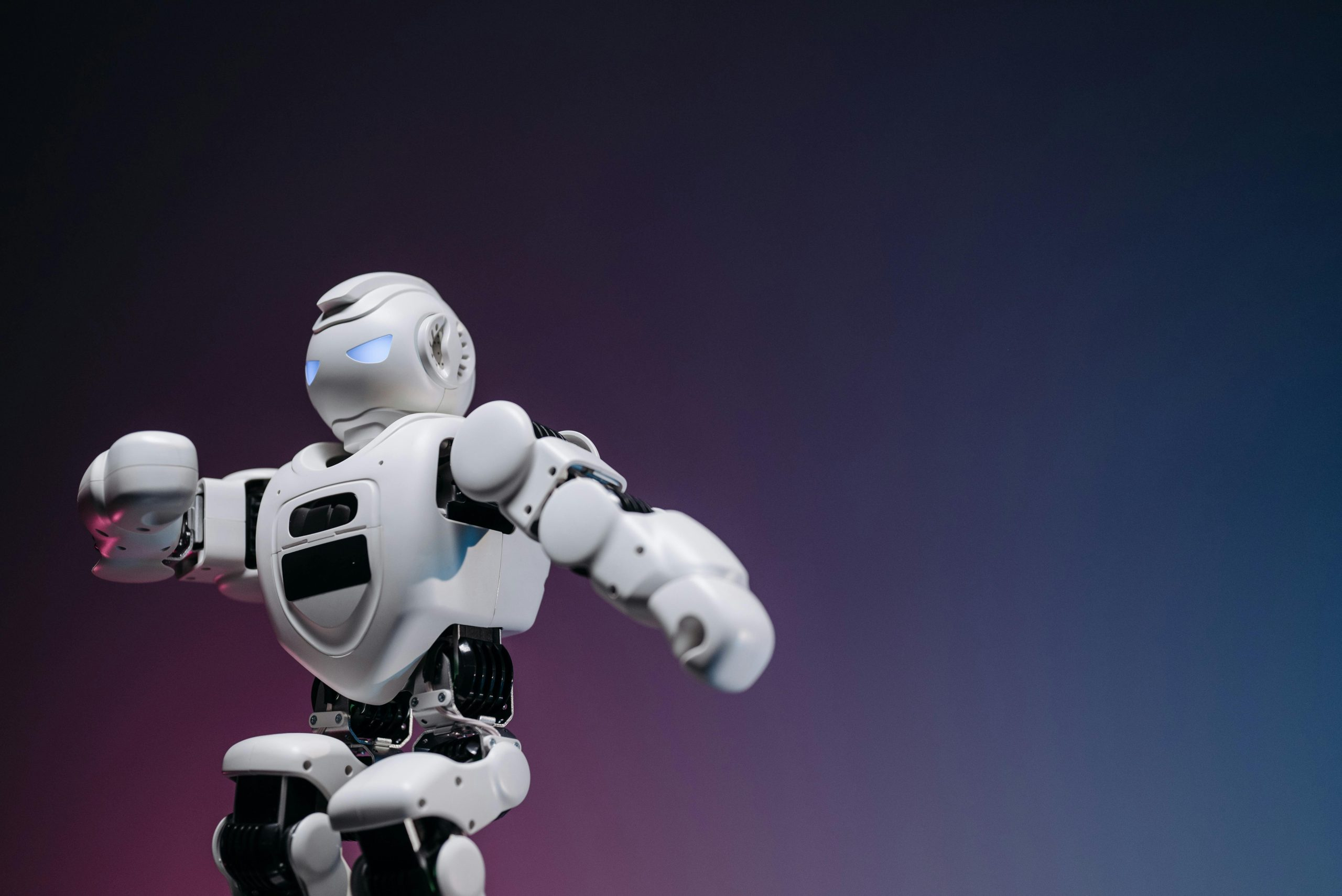
Smart home technology has been on the rise in recent years, revolutionizing the way we interact with and manage our homes. From controlling lights and temperature with our voice to having appliances automatically order groceries, the possibilities are endless. As we continue to embrace this digital age, it’s safe to say that smart home technology will play an even bigger role in modern housing in the future. In this article, we will explore the future of smart home technology and how it will shape the way we live in our homes.
The Rise of Smart Home Technology
Over the past few years, smart home technology has gained immense popularity and is now a staple in many households. The convenience and efficiency it offers has made it a must-have for many homeowners, with the global smart home market expected to reach $135.3 billion by 2025.
One of the primary driving factors for this growth is the increasing availability of affordable smart home devices. With the rise of companies like Google, Amazon, and Apple, smart home technology has become more accessible and affordable for the average consumer. This has paved the way for a future where smart homes are becoming the norm rather than the exception.
The Future of Smart Home Technology
Integration and Interoperability
One of the major challenges faced by smart home technology today is the lack of interoperability between different devices and systems. This has resulted in a fragmented market where devices from different companies often do not work well together. However, in the future, we can expect to see more integration and standardization across smart home devices.
Companies like Google and Amazon are already taking steps to address this issue by partnering and integrating their devices. This means that in the future, we can expect to see a more connected and seamless smart home experience, where different devices and systems work cohesively together.
Voice Control and Artificial Intelligence
The integration of voice assistants, like Amazon’s Alexa and Google Assistant, has been a game-changer in the world of smart home technology. With just a simple voice command, users can now control different aspects of their homes, such as turning lights on and off or adjusting the temperature. However, this is just the beginning.
As artificial intelligence (AI) technology continues to advance, we can expect to see even more sophisticated voice assistants with the ability to understand and respond to more complex commands. This will further enhance the convenience and efficiency of smart homes, making them even more intuitive and effortless to use.
Smart Homes for Aging in Place
With the aging population, there is an increasing need for solutions that allow seniors to age comfortably and safely in their own homes. Smart home technology has the potential to provide such solutions, allowing seniors to live independently and giving their families peace of mind.
In the future, we can expect to see more smart home devices specifically designed for aging in place, such as sensors that can detect falls or medical alert systems that can connect with healthcare professionals. This will not only improve the quality of life for seniors but also reduce the burden on the healthcare system.
The Impact on Modern Housing
As smart home technology continues to evolve and become more prevalent, its impact on the future of housing will be significant. For one, we can expect to see smart homes become more energy-efficient, with the ability to automatically adjust energy usage based on occupancy and weather conditions.
In addition, the integration of smart home technology in modern housing will also impact the design and functionality of homes. With the need for more interconnected devices, homes will be designed with technology in mind, featuring integrated systems and smart devices built into the infrastructure.
Conclusion
The future of smart home technology in modern housing is a promising one, with the potential to transform the way we live and interact with our homes. With continued advancements in integration, voice control, and AI technology, we can expect to see a more connected, efficient, and personalized home experience. As smart homes become a standard in the housing market, it’s safe to say that the future is looking smarter and more convenient than ever before.
Leave a Reply