Welcome to the world of DIY projects and repairs! For any handyman or woman, having a well-equipped tool kit is essential for successfully completing any project. However, building a professional tool kit can be costly and overwhelming, especially if you are just starting out. But fear not, in this article, we will show you how to build a professional tool kit on a budget without compromising on quality and functionality.
The Essentials
Before we dive into building a budget-friendly tool kit, it’s important to understand the must-haves for any professional tool kit. These items are essential for tackling everyday tasks and will serve as the foundation for your tool kit. They include:
1. Screwdrivers
Screwdrivers are a must-have in any tool kit. You’ll need different sizes of Phillips head and flat head screwdrivers for various tasks. These versatile tools are used for assembling furniture, fixing squeaky hinges, and countless other DIY projects.
2. Wrenches
Wrenches come in different sizes and are used for tightening or loosening bolts and nuts. They are especially handy for plumbing repairs and assembling furniture. A set of open-end and adjustable wrenches will cover all your basic needs.
3. Hammer
A hammer is another essential tool for any tool kit. It is used for driving and removing nails, as well as light demolition work. Choose one with a comfortable grip and a weight that feels right for you.
4. Measuring Tape
Accuracy is key in any project, and a measuring tape will help ensure your measurements are precise. Look for a durable and easy-to-read measuring tape that is at least 25 feet long.
5. Level
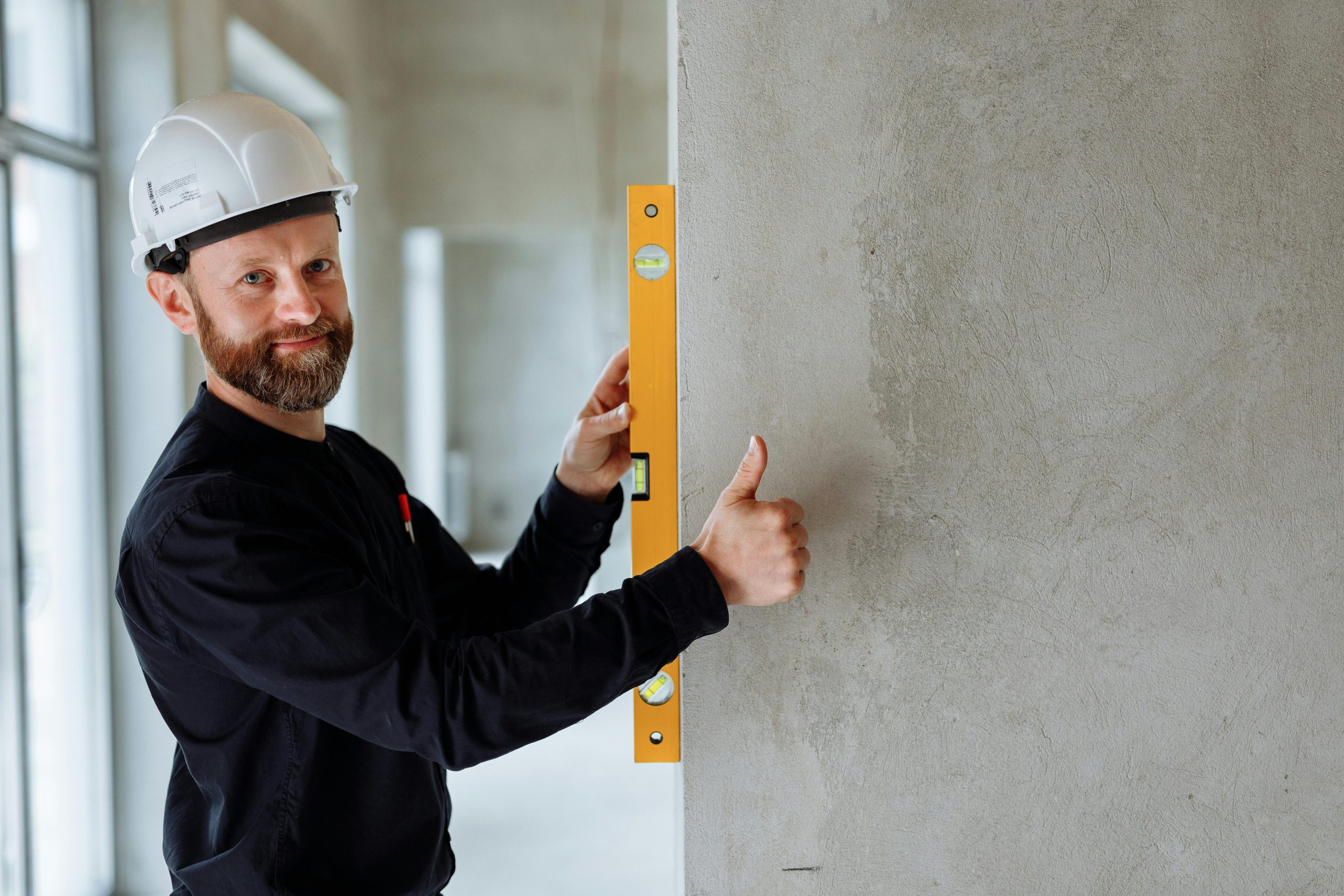
A level is necessary for hanging shelves, pictures, and other items that need to be straight. Opt for a torpedo level or a laser level for more accurate results.
6. Utility Knife
A utility knife is a versatile tool that can be used for cutting various materials such as paper, cardboard, and even drywall. Look for one with a retractable blade for safety and convenience.
The Budget-Friendly Guide
Now that you have the essentials covered, it’s time to build your tool kit on a budget. Here are some tips to help you select affordable and quality tools:
1. Buy in Sets
One way to save money on tools is by buying them in sets rather than individually. Sets often come with a variety of tools that you may need for future projects, and they are usually more cost-effective than purchasing them separately.
2. Consider Used Tools
While shiny new tools may be appealing, used tools can be just as effective and much cheaper. Check online marketplaces, thrift stores, and garage sales for high-quality used tools at a fraction of the cost.
3. Look for Sales and Discounts
Keep an eye out for sales and discounts at your local hardware store or online retailers. You can even sign up for newsletters or follow their social media accounts to stay updated on promotions and deals.
4. Borrow from Others
If you have friends or family members who are also into DIY projects, consider borrowing tools from them. This will save you money and storage space in your tool kit.
5. Quality Over Quantity
When building a tool kit on a budget, it’s important to prioritize quality over quantity. Invest in good quality tools that will last you a long time rather than buying cheap tools that may break or malfunction easily.
The Final Touches
Now that you have all your tools, it’s time to organize and store them in your tool kit. Consider using a toolbox or a tool bag with different compartments to keep your tools organized and easily accessible. Label each compartment or drawer with the name of the tool it contains for quick and efficient access.
Remember to keep your tools clean and well-maintained to ensure their longevity and effectiveness. Regularly oil moving parts, clean off any debris, and store them in a dry place to prevent rust or corrosion.
The Bottom Line
Building a professional tool kit on a budget is achievable with careful planning and smart choices. With these tips, you can have a well-equipped tool kit without breaking the bank. Remember, it’s not about the quantity of tools you have but the quality and functionality that matter. So, go out there and start building your budget-friendly tool kit to tackle any DIY project that comes your way!
Leave a Reply